Best Protein After a Workout: What Helps Your Muscles Most


You finish a workout. You're sweaty, a little tired, and maybe not that hungry.
So, you wonder: Should I eat? What should I eat? Does it even matter?
If you're on a GLP-1 like semaglutide or tirzepatide, your appetite may be lower than it used to be. But your muscles still need fuel, especially after exercise.
This post explains what the research actually shows about protein timing, what to eat, how much you need, and how to make it work even when you're not very hungry.
Key Takeaways: Your Post-Workout Fuel Matters
- Eating protein after a workout helps your muscles repair and grow.
- A window of 30–120 minutes after exercise is a good time to eat protein.
- Fat in your post-workout meal does not block muscle building.
- If you're on a GLP-1, getting enough protein each day is extra important to protect muscle mass.
Want to protect your muscle while losing weight? See how Get Thin MD can help.
[BIG CTA GRAPHIC/BUTTON HERE]
Why Protein After Exercise Matters
When you exercise—especially strength training—your muscles get small tears in the fibers. That's normal. It's how muscle gets stronger.
But to repair and rebuild, your body needs amino acids. These are the building blocks of protein.
If you don't eat enough protein, your muscles can't rebuild well. Over time, this can lead to muscle loss—even if you're exercising regularly.
Research published in the Journal of the International Society of Sports Nutrition shows that regular protein intake supports muscle protein synthesis, which is just a scientific way of saying "muscle building."
Does Eating Fat With Protein Actually Slow Muscle Building?
You may have heard that eating fat with your post-workout protein "blunts" muscle growth.
The short answer: not really.
Fat does slow down digestion a little. That means protein might get absorbed more slowly. But studies show this doesn't stop muscle building. It just spreads it out a bit.
Research shows that whole milk (which has fat) actually produced more muscle protein synthesis than skim milk after exercise, not less.
So don't stress about having a little fat in your post-workout meal. What matters most is that you eat protein, not that it's perfectly fat-free.
How Much Protein Do You Really Need?
Common research suggests aiming for 20–40 grams of protein within a few hours after exercise.
Your daily total matters even more than the timing. The American College of Sports Medicine recommends 1.2–1.7 grams of protein per kilogram of body weight per day for active adults.
That works out to roughly 0.5–0.8 grams per pound of body weight. For a 160-pound woman, that's about 80–130 grams of protein per day.
Ask: Questions to ask at your next appointment with your licensed healthcare provider:
- "How much protein should I be eating each day based on my current weight and goals?"
- "Is my protein intake enough to protect my muscle while I'm losing weight?"
- "Should I use a protein supplement, or can I get enough from food?"
The Best Protein Sources That Are Easy to Stomach
Not hungry after a workout? That's common, especially on GLP-1 medications. These protein sources are easy to digest and don't require a full meal:
- Greek yogurt: 15–20g protein per cup, easy to eat
- Cottage cheese: high in casein protein, which digests slowly
- Eggs or egg whites: fast, affordable, versatile
- Protein shake or smoothie: easy when food feels unappealing
- Chicken, turkey, or fish: lean and easy to pair with simple sides
- Edamame or tofu: great plant-based options
Even a small high-protein snack is better than skipping protein entirely. Don't wait until you're hungry—set a reminder if you need to.
Get Thin MD's care team can help you build a plan that protects your muscle. Start here.
[BIG CTA GRAPHIC/BUTTON HERE]
What Changes in Your Protein Needs When You're on a GLP-1
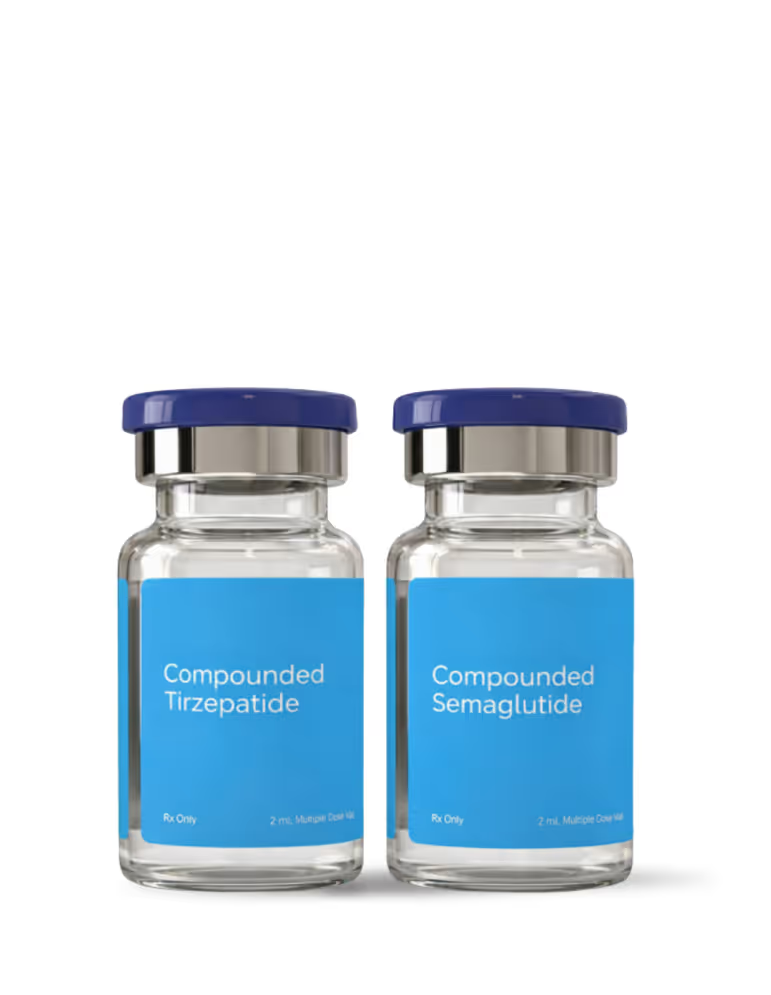
GLP-1 medications like compounded semaglutide and compounded tirzepatide can reduce your appetite a lot. That's great for weight loss. But it also means many people don't eat as much and some may not hit their protein goals.
Here's why this matters:
- When you lose weight, you can lose both fat and muscle.
- Eating enough protein and doing resistance exercise can help you lose more fat and protect muscle.
- Research found that higher protein intake during GLP-1-assisted weight loss can help preserve lean muscle mass.
If you're on a GLP-1, protein is often your most important nutrient to track. Results vary from person to person, but the research is consistent: eating enough protein while on a GLP-1 can make a big difference in your body composition.
Easy Post-Workout Meals That Hit Your Protein Goals
You don't need a complex meal. You just need something with protein and a few other nutrients.
Here are some simple options:
- Greek yogurt + a handful of berries. Fast, no cooking, ~18g protein.
- Scrambled eggs + a slice of whole grain toast. ~15g protein, takes 5 minutes.
- Cottage cheese + sliced cucumber or tomato. ~20g protein, no prep needed.
- Protein shake made with milk or unsweetened plant milk. ~25g protein, ready in 1 minute.
- Chicken or turkey wrap with lettuce and a slice of cheese. ~30g protein, portable.
Not every meal has to be perfect. Getting protein within 2 hours after exercise is a realistic, research-supported goal.
Why Get Thin MD
Get Thin MD takes a full-picture approach to weight loss.
That means looking at muscle preservation, nutrition, and long-term health, not just the number on the scale.
When you join, you get:
- A licensed healthcare provider who reviews your health history.
- A Care Coach for ongoing check-ins and support.
- Access to Registered Dieticians who can guide your nutrition, including protein goals.
- Clear instructions on your medication, dosing, and what to expect.
- Access to a patient care specialist 7 days a week.
The price of your medication doesn't go up just because your dose does. Everything is included in 1 flat rate, no surprise fees.
When to Talk to Your Licensed Healthcare Provider About Nutrition Concerns
Talk to your licensed healthcare provider if you notice:
- You're losing weight fast but feel weak or fatigued.
- You struggle to eat enough protein due to nausea or low appetite.
- You're unsure how much protein is right for your body size and goals.
- You've hit a plateau and want to adjust your approach.
For full safety details, see our Important Safety Information.
Ready to protect your muscle while losing weight? Get Thin MD is here to help.
[BIG CTA GRAPHIC/BUTTON HERE]
The Bottom Line
Protein after a workout helps your muscles repair and grow.
Fat in the same meal doesn't stop that process, so don't overthink it.
If you're on a GLP-1, getting enough protein every day is one of the most important things you can do to protect your muscle while you lose weight.
Results vary. But the research is clear: protein + movement + support = a stronger outcome.
Important Safety Information
Get Thin connects patients with licensed providers who may prescribe medication through state-licensed pharmacies. Prescription medication only available if prescribed after an online consultation, as applicable, with a healthcare provider. Physicians may prescribe compounded medications as needed to meet medical necessity or drug shortages. The FDA does not review or approve any compounded medications for safety or effectiveness. Results may vary. Please visit https://www.getthinusa.com/important-safety-information for important safety information.