Losing Weight but Not Seeing It Yet? Here's Why
.jpg)

You step on the scale. Same number as last week. You've been doing everything right. And still, nothing.
Here's something important: the scale can stay flat even while changes are happening. Water, inflammation, and body composition can all affect what you see on the scale.
This post explains what's going on underneath, and what to watch for instead.
Key Takeaways: What the Scale Isn't Telling You
- The scale isn't a perfect measure of fat loss, especially in the first few weeks.
- Water retention and inflammation can add pounds that mask progress.
- Body recomposition (losing fat while keeping muscle) doesn’t always show up on the scale.
- There are better ways to track your progress than just the number you see each morning.
Ready to start your weight loss journey with real support? Take our quick quiz.
[BIG CTA GRAPHIC/BUTTON HERE]
Why the Scale Isn't Always the Best Measure
Most of us grew up thinking weight = progress. But that's not the full picture. Your body weight is made up of many things:
- Fat
- Muscle
- Bone
- Water
- Food in your digestive system
All of these can shift from day to day, even hour to hour. Fat loss is slow and steady. But water and inflammation move fast.
So, the number on the scale can go up, down, or stay flat even when you're losing fat.
Ask your licensed healthcare provider:
Ask: "What should I be tracking besides the scale?"
Ask: "How will I know if this treatment is working?"
What 'Hidden' Progress Actually Looks Like
Hidden progress is real progress. You just can't see it on a scale yet. Some signs to watch for:
- Your clothes fit differently, even if your weight is the same.
- You feel less bloated or puffy.
- Your energy levels seem higher.
- Cravings feel more manageable.
- You're getting better sleep.
- Your waist measurement is going down.
These are real signs that your body is changing. They often show up before the scale moves.
The Water Weight Phase: What's Really Happening
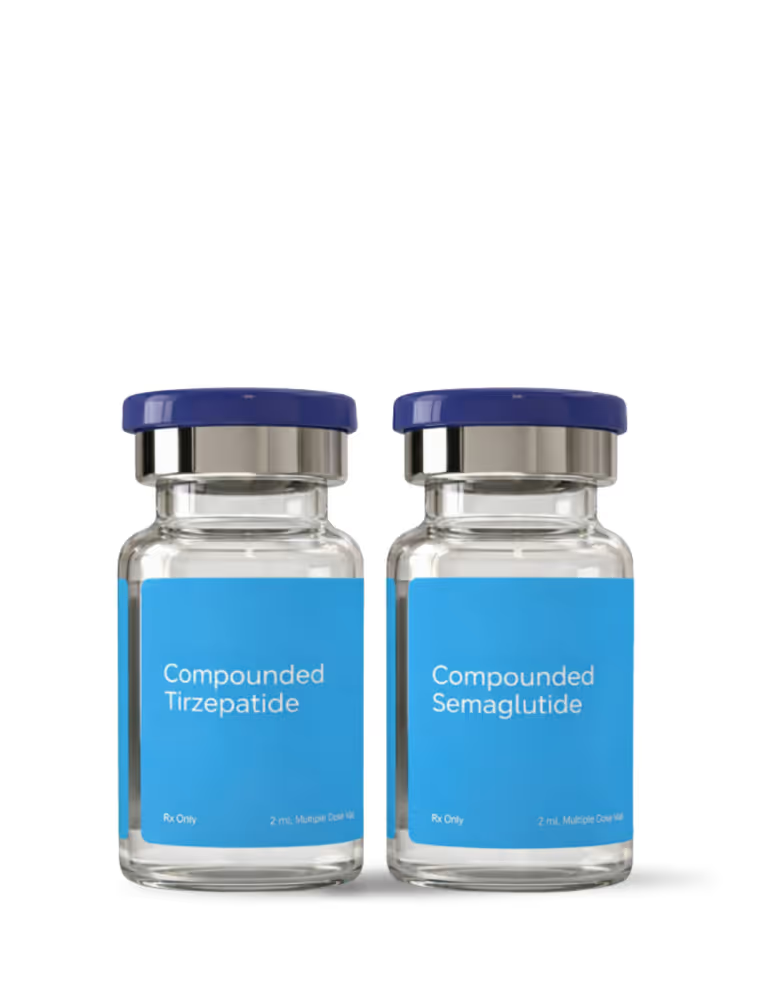
In the early weeks of weight loss—especially on GLP-1 medications like compounded semaglutide or compounded tirzepatide—your body can go through a water weight phase.
Here's a simplified version of what happens:
- Your body starts burning stored carbohydrates (called glycogen).
- Glycogen holds water. When you burn it, water is released.
- That water has to go somewhere, and it often stays in your body for a bit.
- Eventually, it flushes out, and the scale may drop more noticeably.
This phase can last 1 to 4 weeks for many people. During that time, fat loss is often still happening—you just can't see it yet. Water makes up about 60% of body weight. Small shifts in hydration can cause noticeable scale changes.
Ask your licensed healthcare provider:
Ask: "Am I in a water weight phase right now?"
Ask: "How long does this typically last?"
How Body Recomposition Can Fool the Scale
Body recomposition means losing fat and gaining (or keeping) muscle at the same time. This is a good thing. A very good thing. But it can make the scale confusing.
Here's why: muscle is denser than fat. So 5 pounds of muscle takes up less space than 5 pounds of fat.
If you're losing fat and building muscle at the same time, the scale might barely budge even though your body is changing. Research shows that body composition changes (not just weight) are often a more meaningful measure of health outcomes.
People using GLP-1 medications like compounded semaglutide may notice changes in how their clothes fit before the scale reflects progress.
Inflammation and Weight Fluctuation
Inflammation is your body's response to stress—physical, emotional, or diet-related. Inflammation can cause your body to hold onto water. This can show up on the scale as extra pounds.
Common things that cause temporary inflammation:
- A hard workout (especially new exercise)
- A high-sodium meal
- Poor sleep
- Stress
- Hormonal shifts, especially during perimenopause or menopause
These effects are temporary. But they can make the scale frustrating. The NIH notes that inflammation and hormonal changes can both affect weight fluctuation, particularly in women over 40.
You don't have to figure this out alone. Our care team is here to support you every step of the way.
[BIG CTA GRAPHIC/BUTTON HERE]
Better Ways to Track Your Progress
The scale is only one tool, and it's not always the most helpful. Try these instead:
- Waist and hip measurements: take them once a week with a soft tape.
- Progress photos: same lighting, same angle, once a week.
- How your clothes fit: especially pants around the waist.
- Energy levels: are you feeling more like yourself?
- Sleep quality: are you waking up more rested?
- Hunger and cravings: are they easier to manage?
These markers can move before the scale does. Tracking them gives you a fuller picture of what's really happening.
When to Expect the Scale to Catch Up
Many people report seeing the scale move more noticeably once:
- The water weight phase has passed (often 2–4 weeks in).
- Inflammation from new eating habits or exercise settles down.
- The body adjusts to the medication and starts burning stored fat more efficiently.
Results vary from person to person. Some people see scale movement quickly. Others see it more slowly but notice big changes in how they feel and look.
The key is to keep going, keep tracking, and not let one number define your progress.
Why Get Thin MD
It's easy to feel like nothing is working when the scale won't move.
That's why Get Thin MD provides more than just medication.
- Care Coach support: a real person you can talk to about what’s going on.
- Registered Dietician access: personalized nutrition guidance to support weight loss, fat loss, and muscle maintenance.
- Licensed healthcare provider oversight: your treatment is reviewed and monitored by a professional.
- Transparent pricing: the price doesn't automatically go up just because your dose does.
Many patients report feeling supported and less confused once they know what to track. Results vary, and that's okay. We're here to help you understand yours.
“Thankful for Get Thin MD!! I am almost a full month in and I can honestly say the team has been great at answering all my questions and addressing any concerns I have had. They are available to me anytime and respond quickly. The medication has been wonderful with easy to understand instructions. I finally found something to help me and get me past the plateaus that so many woman struggle with. I am so thankful to everyone!” – Julie L., Get Thin MD Patient
When to Talk to Your Licensed Healthcare Provider
Reach out to your licensed healthcare provider if:
- The scale hasn't moved in 6 or more weeks and you don't notice any other changes.
- You're feeling very fatigued, dizzy, or unwell.
- You're not sure your current dose is right for you.
- You have concerns about side effects.
For a full list of safety details, visit Get Thin MD's Important Safety Information page.
At Get Thin MD, you have access to 24/7 support. You can always send a chat message or call to reach your care team.
See if GLP-1 treatment is right for you. Get started with a quick, confidential intake quiz.
[BIG CTA GRAPHIC/BUTTON HERE]
The Bottom Line
The scale is not the whole story.
If your clothes are looser, your cravings are calmer, and your energy is better, something is working. Give your body time to show you.
Track the right things. Stay in touch with your care team. And trust that hidden progress is still progress.
Important Safety Information
Get Thin connects patients with licensed providers who may prescribe medication through state-licensed pharmacies. Prescription medication only available if prescribed after an online consultation, as applicable, with a healthcare provider. Physicians may prescribe compounded medications as needed to meet medical necessity or drug shortages. The FDA does not review or approve any compounded medications for safety or effectiveness. Results may vary. Please visit
Please visit https://www.getthinusa.com/important-safety-information for important safety information.