Weight Plateau? When to Change Things (and When Not To)
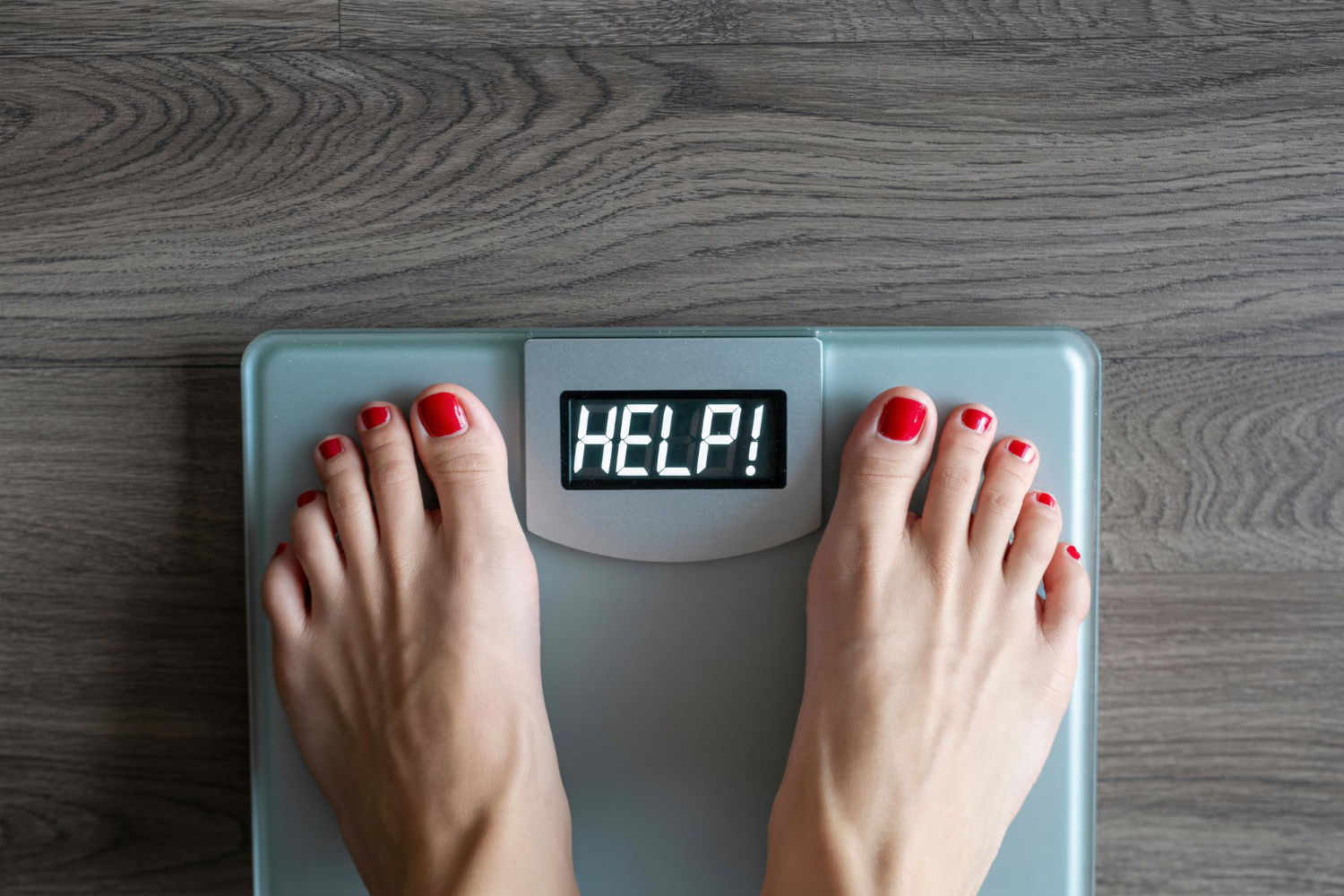

You step on the scale. Nothing has moved in 3 weeks. You're doing everything right. You're still taking your medication. So, what's going on?
A weight loss plateau on GLP-1 can be more common than you might think, and it doesn't always mean something is wrong.
This guide will help you figure out what's happening, and what to do next.
Key Takeaways: What to Do About a Weight Loss Plateau
- Plateaus are a normal part of weight loss, even on semaglutide or tirzepatide.
- Plateaus often last 2–6 weeks. Some are just your body adjusting.
- Small changes in food, movement, or habits can help—but not all at once.
- A dose change may be right for some people, but it's not always the first step.
Feeling stuck on your weight loss journey? Talk to a licensed healthcare provider.
[BIG CTA GRAPHIC/BUTTON HERE]
What a Weight Loss Plateau Actually Is (and What It Isn't)
A plateau means your weight has stopped moving for a few weeks, even though you're still following your plan. It's not the same as slow progress. Slow progress is still progress.
A plateau is a pause. And pauses are normal in any long-term weight loss journey.
Here's what a weight loss plateau is NOT:
- It's not a sign the medication stopped working.
- It's not a reason to stop treatment.
- It's not proof your body is "broken."
Research shows that the body naturally resists weight loss over time. This is called metabolic adaptation, and it's a real biological process, not a personal failure.
Why Weight Loss Plateaus Happen on GLP-1s
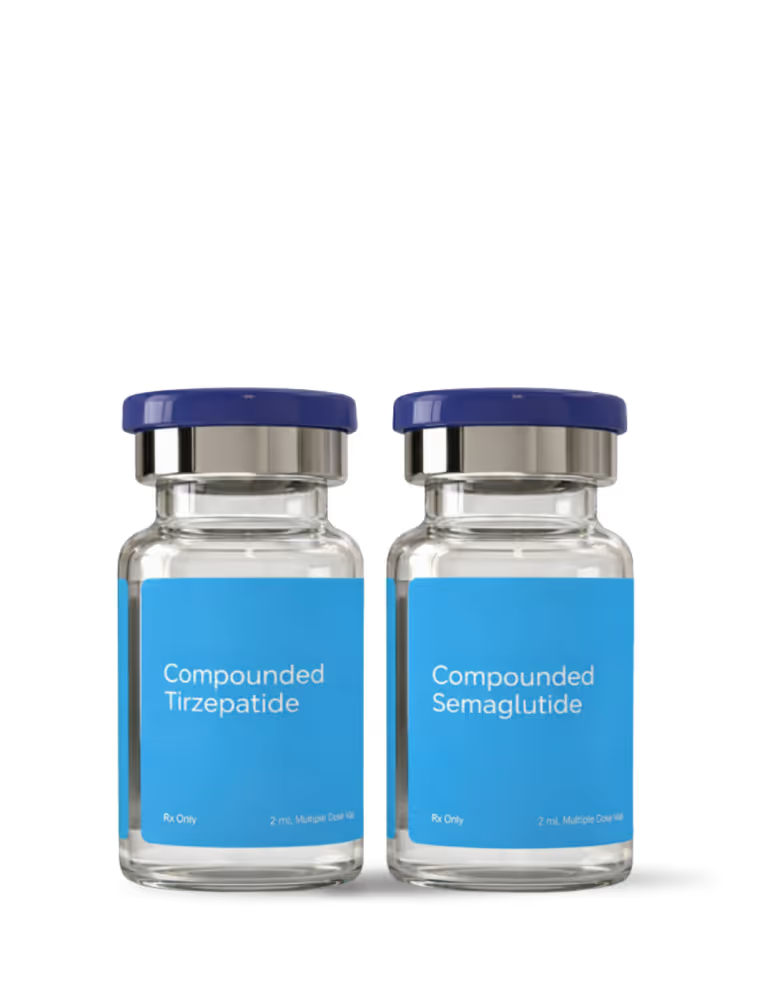
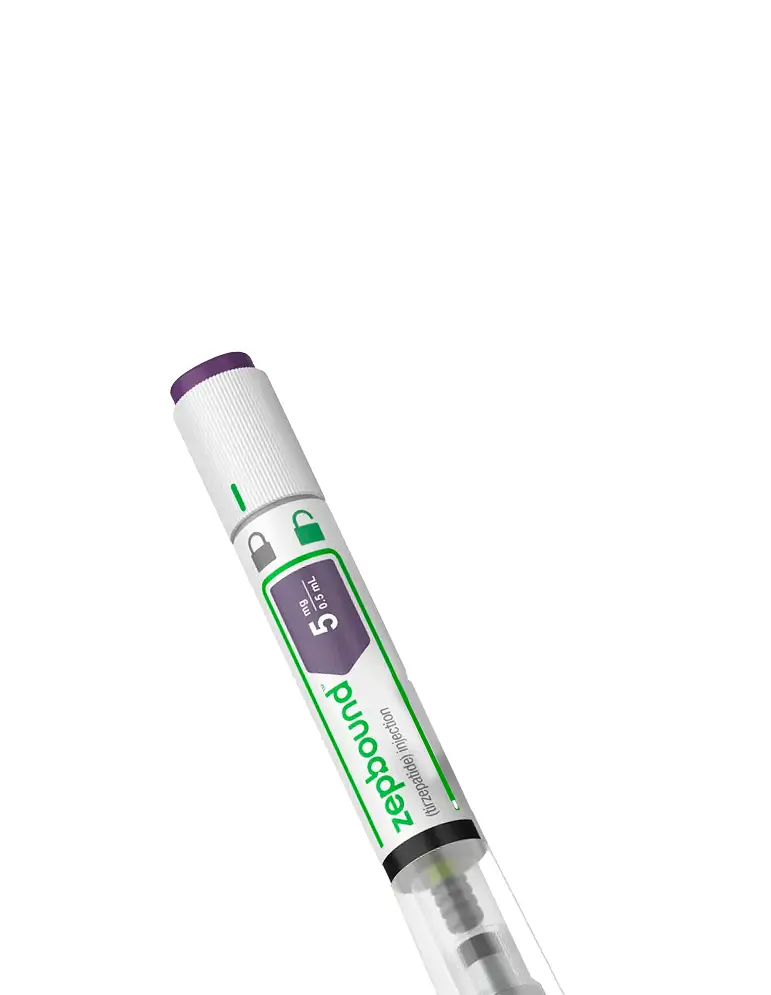
GLP-1 medications like semaglutide and tirzepatide work by helping to reduce appetite and helping to slow how fast food leaves your stomach.
Over time, your body adjusts.
Your metabolism may slow down a little. Your appetite cues may shift. Your body may simply be settling into a new normal.
Common reasons for a GLP-1 plateau:
- Your calorie intake may have crept back up (even a little).
- Your body adapted to a lower calorie level.
- You lost muscle along with fat, which can slow metabolism.
- Your dose may no longer be as effective for your body's current needs.
- Sleep, stress, or hydration may be affecting progress.
According to clinical research on semaglutide and weight loss, most weight loss happens in the first 16–20 weeks. After that, progress naturally slows.
How to Tell the Difference Between a Stall and a Plateau in Your Weight Loss
These two feel the same, but they're different.
A plateau:
- You're still following your plan.
- Weight is stable but not going up.
- You feel okay overall.
- Has been going on for 2–6 weeks.
A stall:
- Your habits may have drifted (less protein, fewer steps, more snacking).
- You're not feeling the medication's effects as much.
- The scale may be slowly creeping up.
- Has been going on for 6+ weeks with no change.
Tracking what you eat and how you feel for 1–2 weeks can help you see the difference. Even a simple food log can reveal patterns you don't notice day to day.
When to Wait It Out
Not every plateau needs action. Sometimes the right move is to stay the course.
Wait it out if:
- The plateau is less than 4 weeks long.
- Your clothes still fit differently than before.
- You've recently changed your dose (your body often needs time to adjust).
- You've been under more stress or sleeping less than usual.
- Your eating or activity patterns have shifted.
A plateau is not a failure. It's often the body holding steady while it recalibrates. Give it at least 3–4 weeks before assuming something needs to change.
Ready to take the next step? Start with a quick consultation.
[BIG CTA GRAPHIC/BUTTON HERE]
When It Might Be Time to Adjust
If you've waited 4–6 weeks and nothing is changing, it may be time to look at what needs to shift.
Signs it may be time to make a change:
- The plateau has lasted more than 4–6 weeks.
- Your food and movement habits haven't changed, but the scale has stalled.
- You're no longer feeling as full or satisfied after meals.
- You're following your plan but not seeing any movement.
This doesn't always mean a dose change. Sometimes small lifestyle shifts are enough.
What 'Adjusting' Your Weight Loss Plan Actually Looks Like
Adjusting doesn't have to mean a big overhaul. Start small.
Lifestyle changes to try first:
- Add 10–15 grams of protein to your daily eating. Protein can help preserve muscle and keep you feeling fuller longer.
- Drink more water. Aim for at least 64 oz a day.
- Add a short walk after meals, even 10 minutes helps.
- Check your sleep. Poor sleep can raise hunger hormones.
- Review what you're eating. Sometimes portions quietly grow.
What a dose adjustment might look like:
- A dose increase may help if you've been at the same dose for 8+ weeks with no progress.
- This is a conversation to have with your licensed healthcare provider, not a self-directed change. GLP-1 dose titration schedules are designed to go slowly to help reduce side effects.
At Get Thin MD, price doesn't go up just because your dose does. That's one less thing to worry about.
When to Talk to Your Licensed Healthcare Provider About a GLP-1 Dose Adjustment
Some situations need more than a lifestyle tweak. Reach out to your licensed healthcare provider if:
- Your plateau has lasted more than 6 weeks.
- You've already tried adjusting food and movement.
- You feel like the medication isn't working anymore.
- You're having side effects that are affecting your day.
- You're feeling discouraged and need guidance.
Ask: "I've been at the same weight for 6 weeks. Should my dose go up?"
Ask: "My appetite is back. Is that normal at this stage?"
Ask: "Am I doing something wrong, or is this just how it works?"
Ask: "What small changes can I make before adjusting my dose?"
For a full list of side effects and safety information, visit the Important Safety Information page.
Why Get Thin MD
At Get Thin MD, you're never navigating this alone.
- A licensed healthcare provider reviews your health history.
- A Care Coach supports you throughout your journey.
- You have affordable, easy-to-schedule access to Registered Dietitians as part of your care team.
- You have access to support 7 days a week.
And when it comes to pricing: everything is included for one price. No membership fees. No surprise increases. If your dose needs to go up, your price doesn’t automatically go up.
Learn more about how it works at getthinusa.com.
Questions about your progress? Get personalized support today.
[BIG CTA GRAPHIC/BUTTON HERE]
The Bottom Line
A plateau doesn't mean you've failed. It means your body is doing what bodies do.
The key is knowing when to wait and when to act.
Give yourself 3–4 weeks before making changes. Then, if nothing shifts, start small—more protein, more water, better sleep.
If you still feel stuck, reach out. Your care team is here to help you figure out the right next step.
Important Safety Information
Get Thin connects patients with licensed providers who may prescribe medication through state-licensed pharmacies. Prescription medication only available if prescribed after an online consultation, as applicable, with a healthcare provider. Physicians may prescribe compounded medications as needed to meet medical necessity or drug shortages. The FDA does not review or approve any compounded medications for safety or effectiveness. Results may vary. Please visit https://www.getthinusa.com/important-safety-information for important safety information.