Traveling With GLP-1 Medicine: Keep It Cold and Safe
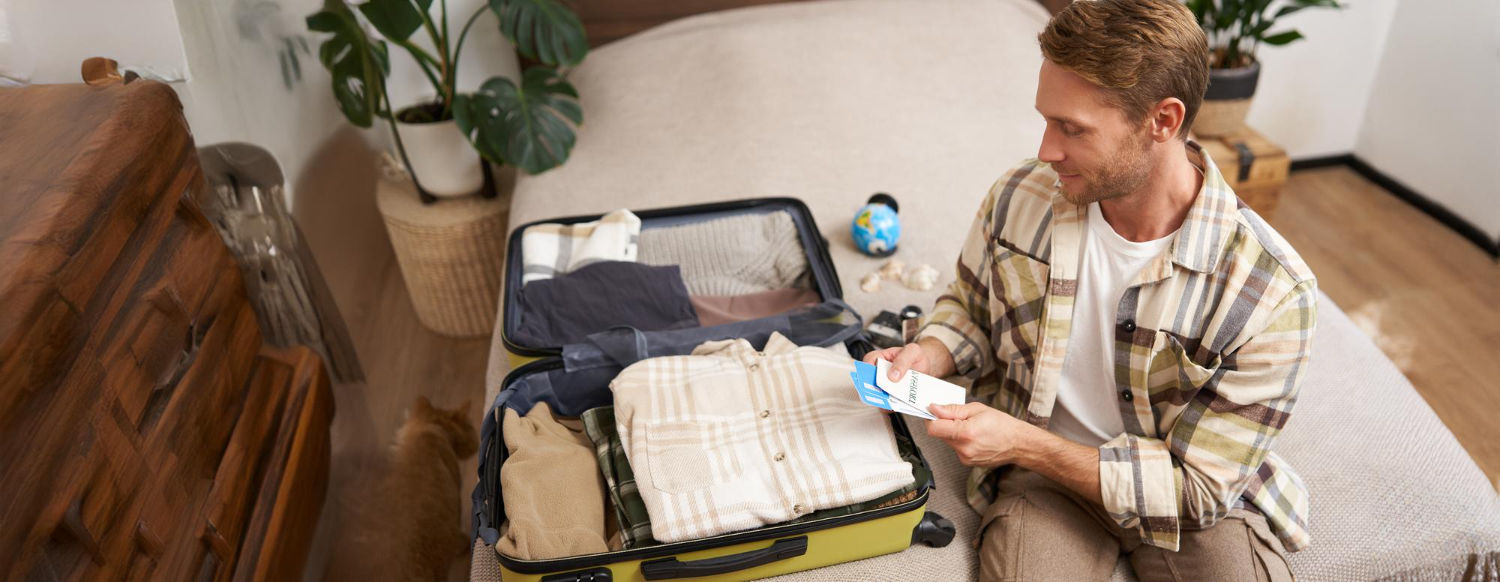

You have a trip coming up. You’re excited, but then it hits you: what do you do with your GLP-1 medication?
Keeping your injectable medication cold, getting it through airport security, managing your dose across time zones. It sounds complicated.
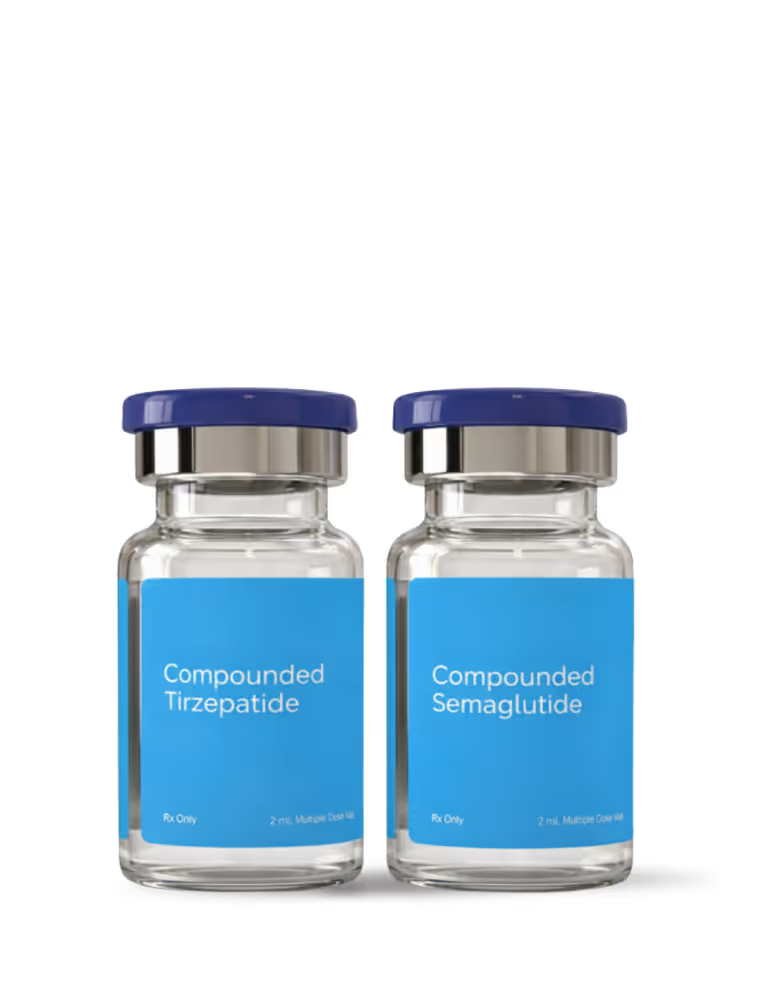
But with a little planning, traveling with compounded semaglutide or compounded tirzepatide is manageable. This guide walks you through exactly what to do before you leave, how to keep your medication safe in transit, and what to do if something does not go as planned.
Key Takeaways: How to Make Traveling with GLP-1 Medication Easy
- GLP-1 injections need refrigeration, but most formulations have a short room-temperature window for travel. Confirm yours with your pharmacy before you leave.
- Always pack your medication in your carry-on bag, never in checked luggage.
- TSA allows medically necessary injectable medications and needles when declared. A valid prescription label is recommended.
- Weekly injections give you flexibility. You may be able to shift your dose day by 1-2 days if needed.
- If your medication gets warm or accidentally freezes, do not use it until you confirm with your pharmacy.
Ready to start your weight loss journey with Get Thin MD?
[BIG CTA GRAPHIC/BUTTON HERE]
What You Need Before You Travel with Injectable Medication
Sort this out at least 1 week before your trip, not the night before. Call or message your pharmacy first. Ask specifically: how long can my medication stay at room temperature?
Most compounded semaglutide and compounded tirzepatide should stay refrigerated between 36 degrees F and 46 degrees F (2-8 degrees C). Compounded semaglutide and compounded tirzepatide follow the same storage guidelines as their brand-name counterparts but always check the label from your pharmacy.
Some compounded formulations can tolerate controlled room temperature, up to 77 degrees F (25 degrees C), for a limited window that varies by formulation.
For any trip longer than a few days, reliable refrigeration is essential.
Here is what to gather before you leave:
- A copy of your prescription or a brief letter from your licensed healthcare provider confirming the medication is prescribed.
- The original pharmacy label on your medication vial or pen, with your name and prescriber name readable.
- Extra needles, syringes, and alcohol swabs (more than you think you need).
- A travel-size sharps disposal container (available online).
- A portable medication cooler or insulated case.
- Your Care Coach’s contact info and pharmacy phone number written down somewhere easy to find.
Your licensed healthcare provider can write a brief travel letter in minutes that can save you time at airport security.
How to Keep Your GLP-1 Cold on the Road
Keeping your medication cold is key when traveling with a GLP-1 injection.
There are 3 main options, depending on your trip length:
Option 1: Insulated medication wallet (FRIO-style)
These wallets use water-activated crystals, no ice needed. They can keep medication cool for 45+ hours at temperatures up to 100 degrees F. Ideal for short flights, day trips, and warm climates.
Option 2: Hard-case travel insulin cooler with gel packs
Gel pack coolers are the most reliable for multi-day trips. Cases designed for insulin travel work perfectly for GLP-1 injections and maintain the right temperature range for 12-24 hours or more with quality gel packs.
Option 3: Hotel refrigerator
Many hotels can accommodate medical refrigeration requests. Call ahead and confirm specifically before you arrive.
Rules that matter:
- Never put your medication directly on an ice pack. Direct contact can freeze it.
- Frozen GLP-1 medication should not be used.
- Avoid leaving your medication in a hot car, even briefly. Temperatures in a parked car can exceed 100 degrees F in minutes.
- On a cruise? Ask the ship's medical center to store your medication. Many ships will accommodate with a written request.
- Road tripping? A 12V plug-in car cooler is a practical low-cost solution for longer drives.
Flying With Injectable Medications: What TSA Allows
You can bring GLP-1 injections in your carry-on bag. TSA allows medically necessary injectable medications in quantities exceeding the standard 3.4 oz limit.
Here is what TSA requires:
- Declare your medication and supplies to the security officer at the checkpoint.
- Keep medication in original labeled container with your name and prescriber name visible.
- Keep the prescription label on the medication itself.
- Bring a travel letter from your licensed healthcare provider if you have one (not required, but it can speed things up).
Needles and syringes are allowed by TSA when they are accompanied by the prescribed medication. Keep them together in the same pouch.
Will you get pulled aside? Sometimes. Stay calm, declare your medication first, and let the security officer do their job.
Do NOT put your medication in checked luggage. Cargo holds are not reliably temperature-controlled and can reach extremes of heat or cold. You also risk losing it if your bags are delayed.
Flying internationally? Rules vary by country. Contact your destination country's embassy or consulate well in advance.
Managing Your Dosing Schedule Across Time Zones
Weekly injections make time zone management easier. You have more flexibility than others on daily medications.
General guidance: you may be able toshift your injection day by 1-2 days in either direction without significant impact.
Before you travel, talk to your licensed healthcare provider or Care Coach about your specific plan. They can tell you:
- Whether to take your dose before departure or after arrival
- How to adjust across 5 or more time zones
- What to do if your routine is disrupted mid-trip
A simple approach some semaglutide users follow:
- Traveling east (losing time): take your dose 1 day earlier before departure
- Traveling west (gaining time): take your dose 1 day later after arrival
- Small time shift of 1-3 time zones: stay on your home schedule for the first week, then adjust gradually
Write your dose schedule on paper or in a phone note before you leave. Time zone math gets confusing. A written note removes the guesswork.
What to Do If Your Medication Warms Up
It happens. Ice melts. A hotel mini-fridge malfunctions. A bag gets left in a warm car.
Do not panic, and do not automatically throw the medication away. Contact your pharmacy or Care Coach first.
Here are the steps:
- Note how long the medication was out of refrigeration and the approximate temperature it reached.
- Do not inject it until you get guidance from your pharmacy or licensed healthcare provider.
- Check for visible changes: cloudiness, particles, or unusual discoloration. Clear or slightly yellow is normal. Cloudy or particulate is not.
- Contact your Get Thin MD Care Coach or pharmacy to confirm whether the medication is still safe to use.
If it froze: do not use it. Freezing can alter the protein structure of the medication, making it less effective. Contact your pharmacy to discuss replacement options.
Your Care Coach can help you quickly assess the situation and suggest the right next step. That is exactly what they are there for.
Temperature Stability at a Glance: A 3-Category Comparison
We cross-referenced room-temperature stability guidance across 3 GLP-1 medication types to help users plan smarter trips. This comparison is based on widely published pharmaceutical stability data and manufacturer/compounder guidance.
*Room-temperature window varies significantly by compounding pharmacy and formulation. Always verify with your pharmacy.
What this means for you: A 3-day domestic trip with a quality insulated cooler and gel packs is very manageable. A 2-week international trip needs a proper cold-chain plan. That might mean timing your dose before departure, securing hotel refrigeration at each stop, or using a plug-in travel cooler.
Have questions about traveling on your program? Your Get Thin MD Care Coach is ready to help.
[BIG CTA GRAPHIC/BUTTON HERE]
Complete Packing Checklist for GLP-1 Travel
Screenshot this or print it before your next trip.
Medication and supplies:
- Medication in original labeled container or pharmacy packaging
- Extra needles or pen tips (at least 3 more than you expect to use)
- Alcohol swabs
- Gauze or small bandages
- Travel sharps disposal container
- All other regular medications
Storage and cold chain:
- Insulated medication case or FRIO-style cooling wallet
- At least 2 reusable gel ice packs
- Backup insulation: zip-lock bag and paper towels as a last resort layer
- Small thermometer if traveling to hot climates
Documentation:
- Prescription label on the medication itself
- Copy of prescription or travel letter from a licensed healthcare provider
- Care Coach contact info and pharmacy phone number written down
- Written list of your medications and doses
For international travel, also add:
- Translated medication label if traveling to a non-English-speaking country (ask your pharmacy)
- Destination country import documentation (check the embassy website in advance)
- Travel insurance that covers prescription medications and medical supplies
When Traveling with Semaglutide May Not Be Best
Your program does not have to stop when you travel. But going in unprepared can put your medication and your progress at risk. Talk to your licensed healthcare provider before traveling if:
- You are in the first 4-6 weeks of treatment and still managing adjustment symptoms such as nausea, fatigue, or digestive changes. These can be harder to deal with in transit.
- You are scheduled to change your dose right before or during the trip.
- Your destination does not have reliable refrigeration or easy access to medical support.
- You are traveling internationally and have not yet confirmed documentation requirements for your destination.
A 10-day trip with 6 different hotels, no mini-fridge access, and no cold-chain plan is not a reason to cancel the trip. It is a reason to prepare accordingly.
Frequently Asked Questions About Traveling with Injectable Semaglutide
Q: Can I travel with semaglutide on a plane?
Yes. TSA allows medically necessary injectable medications in carry-on bags. Declare your medication at the checkpoint and keep it in its original labeled container.
Q: How do I keep semaglutide cold on a long flight?
Use an insulated medication wallet such as a FRIO-style cooler or a hard-case cooler with gel packs. Keep the medication away from direct contact with ice packs to prevent freezing.
Q: Can I bring compounded semaglutide on an international flight?
Domestically, yes. For international travel, rules vary by country. Research your destination's import requirements for compounded injectable medications before you go.
Q: What if I miss a dose while traveling?
Some users on weekly GLP-1 programs may be able to take a missed dose within 1-2 days of the scheduled time. Contact your Care Coach or licensed healthcare provider for your specific situation.
Q: Do I need a doctor's letter to fly with GLP-1 injections?
TSA does not require it, but a brief letter from your licensed healthcare provider confirming the medication is prescribed can reducethe chance of delays.
Q: Can I travel internationally with compounded tirzepatide?
The same general principles apply: proper refrigeration, prescription documentation, and a clear prescription label. Check your destination country's specific rules on importing compounded medications. Your Care Coach can help you prepare the right paperwork.
Why Get Thin MD
Get Thin MD is a national telehealth weight loss program. We connect customers with licensed healthcare providers who may prescribe compounded semaglutide or compounded tirzepatide when appropriate.
When prescribed, you work with a licensed healthcare provider, dedicated Care Coaches, and have affordable, easy-to-schedule assess to Registered Dietitians. That team is available to help you with the exact kind of questions that come up when you travel: dosing schedule adjustments, cold storage planning, documentation, and more.
Many users report that having direct access to their Care Coach makes situations like travel planning feel much more manageable. Results vary.
If prescribed, you'll receive clear instructions and ongoing support from our care team.
When to Talk to Your Licensed Healthcare Provider
Reach out to your licensed healthcare provider or Care Coach before traveling if:
- You are within your first 2 months on your program.
- You have questions about adjusting your injection schedule for time zone changes.
- You are traveling internationally and need documentation.
- Your medication was exposed to extreme temperature and you are unsure if it is still safe.
Questions to ask:
- Ask: "How long can my specific formulation stay at room temperature?"
- Ask: "Can I shift my injection day for this trip, and if so, by how much?"
- Ask: "Do I need any documentation for international travel with my medication?"
- Ask: "What should I do if my medication gets warm or freezes?"
For full safety details, see Get Thin MD’s Important Safety Information.
Ready to get started, or have questions about your current program? Talk to Get Thin MD today.
[BIG CTA GRAPHIC/BUTTON HERE]
The Bottom Line
Traveling while on a GLP-1 program takes a little planning. It’s not complicated.
Keep your medication cold. Pack everything in your carry-on. Bring your prescription label. Call your Care Coach if anything comes up.
Many users on weekly injections have more flexibility than they expect. Your progress does not have to stop when you board a plane.
Important Safety Information
Get Thin connects customers with licensed providers who may prescribe medication through state-licensed pharmacies. Prescription medication only available if prescribed after an online consultation, as applicable, with a healthcare provider. Physicians may prescribe compounded medications as needed to meet medical necessity or drug shortages. The FDA does not review or approve any compounded medications for safety or effectiveness. Results may vary. Please visit https://www.getthinusa.com/important-safety-information for important safety information.