Semaglutide vs. Tirzepatide: Which GLP-1 Might Fit Your Lifestyle Better?


You've probably heard both names. Semaglutide. Tirzepatide. Maybe a friend takes one, and you take the other. Maybe you're just starting out and trying to figure out which one is right for you.
Both are GLP-1 medications. Both can support weight loss. But they work a little differently, and that difference can matter.
This post breaks it down in plain English. No confusing medical terms. Just what you need to know.
Key Takeaways: Semaglutide vs. Tirzepatide
- Semaglutide and tirzepatide are both used for weight loss, but they work in different ways.
- Tirzepatide targets 2 hormones; semaglutide targets 1.
- Studies show both can lead to meaningful weight loss, but results vary from person to person.
- The best choice depends on your health history, how your body responds, and what your licensed healthcare provider recommends.
Not sure which medication is right for you? With Get Thin MD, a licensed healthcare provider can help.
[BIG CTA GRAPHIC/BUTTON HERE]
How Semaglutide and Tirzepatide Work (Simply Explained)
Both medications are called GLP-1 receptor agonists. That's a fancy way of saying they copy a hormone your body already makes.
That hormone is called GLP-1. It helps control your blood sugar. It also can slow digestion and help you feel full longer.
Here's where the 2 medications are different:
- Semaglutide targets GLP-1 only.
- Tirzepatide targets GLP-1 AND another hormone called GIP. GIP also helps control blood sugar and hunger.
Think of it this way: semaglutide pulls 1 lever. Tirzepatide pulls 2. Which one is right for you depends on your body.
The Key Differences Between Semaglutide and Tirzepatide
Here's a quick look at how these two weight loss medications compare:
- Target hormones: Semaglutide = GLP-1 only. Tirzepatide = GLP-1 + GIP.
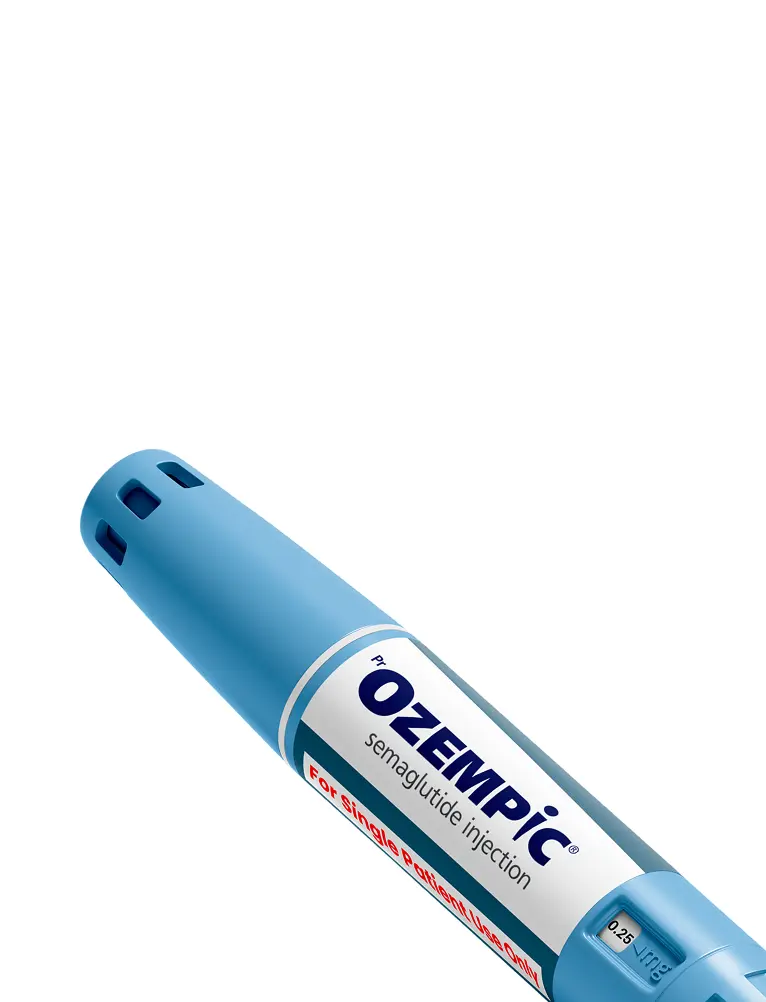
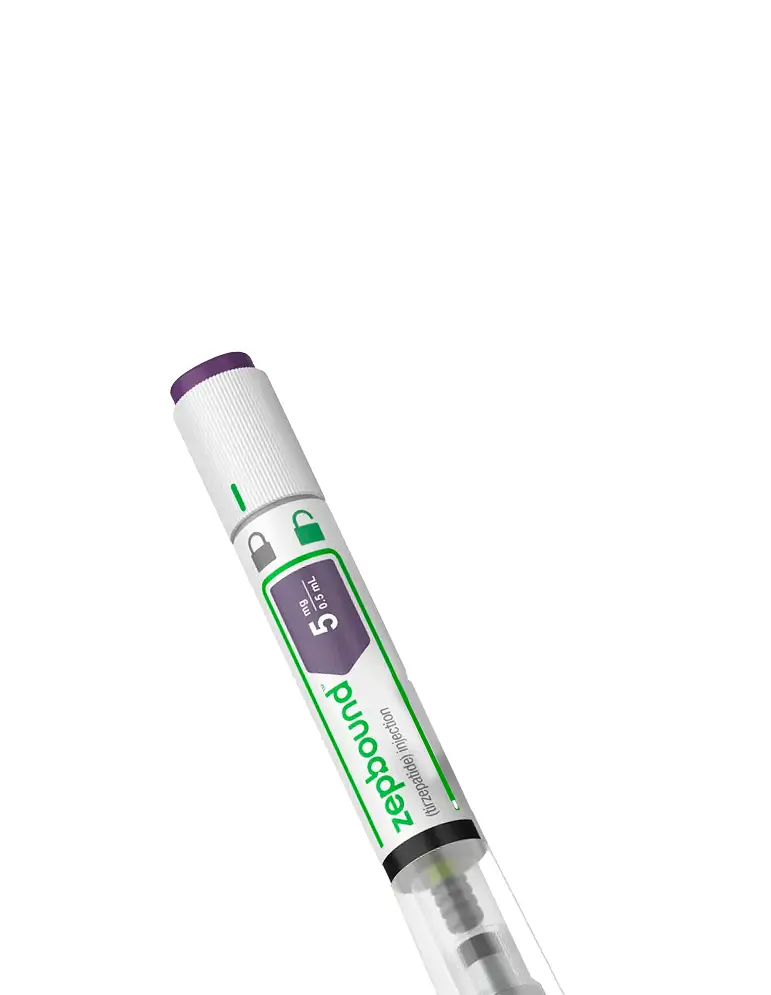
- Brand names: Semaglutide = Ozempic®, Wegovy®. Tirzepatide = Mounjaro®, Zepbound®.
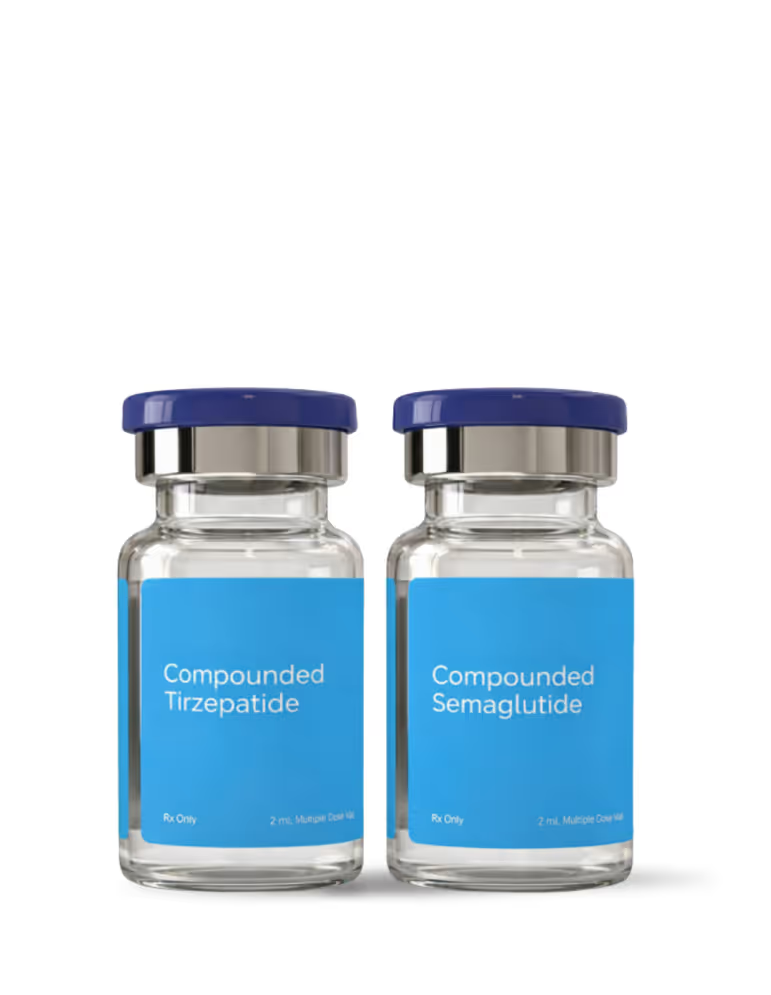
- Compounded options: Both are available as compounded medications through licensed pharmacies. Get Thin MD offers both.
- Injection schedule: Both are typically once-weekly injections.
- Cost: Brand-name versions can cost over $1,000/month without insurance. Compounded versions may cost significantly less.
Important: The FDA does not review or approve compounded medications for safety or effectiveness. See Get Thin MD’s Important Safety Information for full details.
What the Research Shows About Weight Loss Results on Semaglutide vs. Tirzepatide
Clinical trials have studied both medications. Research shows found tirzepatide may lead to greater weight loss on average. But this does not mean tirzepatide is the right choice for everyone.
Results vary. These are averages from large studies, not a guarantee for any individual. Many things affect how well a medication works, including diet, activity level, dose, and how your body responds.
Some people do very well on semaglutide. Others respond better to tirzepatide. Your licensed healthcare provider is the best person to help you figure out which one fits your situation.
How Side Effects Compare
Both medications can cause side effects, especially when you first start or after a dose increase.
Common side effects for both semaglutide and tirzepatide include:
- Nausea
- Constipation
- Diarrhea
- Stomach discomfort
- Fatigue
Side effects are not identical between the tirzepatide and semaglutide. Some people find one causes less nausea than the other. There is no way to predict how your body will react before you try the medication.
When should you contact your licensed healthcare provider? Reach out right away if you have severe stomach pain, vomiting that won't stop, vision changes, or signs of an allergic reaction. For full safety details, see Important Safety Information.
Ready to find out which medication your provider recommends for you? Start your intake today.
[BIG CTA GRAPHIC/BUTTON HERE]
Which GLP-1 Medication Might Be Right for You?
There is no single right answer. Both medications can work well.
Here are a few things that may help guide the conversation with your licensed healthcare provider:
- If you've tried semaglutide and it stopped working, some people are able to switch to tirzepatide and see results.
- If you're sensitive to nausea, ask your provider which one may be easier to tolerate at your starting dose.
- If cost is a concern, compounded versions of both medications are available at Get Thin MD. Pricing is transparent and does not go up just because your dose does.
- If you're post-menopausal, hormone shifts can affect how medications work. Share your full health history with your provider.
When you sign up for Get Thin MD, you’ll have a free consultation with a licensed healthcare provider that will review your health history and determine which GLP-1 treatment is best for you.
Those that are medically eligible for semaglutide or tirzepatide treatment receive clear instructions and ongoing support from the Get Thin MD care team.
When it comes to making a choice between tirzepatide and semaglutide, we’re here for you. If you already know which weight loss medication you want to try first, we’re ready to get started.
How to Talk to Your Licensed Healthcare Provider About Starting Semaglutide or Tirzepatide
It can feel hard to bring this up. You might wonder if you're asking too many questions. You're not. This is your health, and you deserve clear answers.
Here are some questions to get the conversation started:
- Ask: "What are the main differences between semaglutide and tirzepatide for someone like me?"
- Ask: "Is one more likely to cause nausea than the other?"
- Ask: "Have other customers with my health history done better on one vs. the other?"
- Ask: "What would we do if the first one I try doesn't work well?"
You do not need to come in with all the answers. Your provider's job is to help you figure this out together.
What Get Thin MD Offers
Get Thin MD offers both compounded semaglutide and compounded tirzepatide through US-licensed pharmacies.
Here's what's included when you start:
- A licensed healthcare provider reviews your health history.
- A free onboarding call within 24–48 hours of your first order.
- A Care Coach who stays with you for your whole journey.
- Access to a Registered Dietician for nutrition support.
- 24/7 support by chat or phone.
- Transparent pricing. There are no surprise price increases and the price won’t go up just because your dose does. No membership fee. Everything is included.
Get Thin MD has helped over 60,000 customers nationwide. Many of them felt dismissed by other providers before finding us. We want you to feel heard — and supported at every step.
See if you qualify. Take the first step — it only takes a few minutes.
[BIG CTA GRAPHIC/BUTTON HERE]
The Bottom Line
Both semaglutide and tirzepatide can support weight loss. They work in similar but slightly different ways.
Tirzepatide targets 2 hormones. Semaglutide targets 1. Studies suggest tirzepatide may lead to more weight loss on average, but results vary, and both can work well.
The best medication is the one that fits your body, your health history, and your life. Your licensed healthcare provider at Get Thin MD can help you make that call.
Important Safety Information
Get Thin connects customers with licensed providers who may prescribe medication through licensed pharmacies. Prescription medication only available if prescribed after an online consultation, as applicable, with a healthcare provider. Physicians may prescribe compounded medications as needed to meet medical necessity or drug shortages. The FDA does not review or approve any compounded medications for safety or effectiveness. Results may vary. Please visit https://www.getthinusa.com/important-safety-information for important safety information.