How Alcohol Can Make You Hungrier
.jpg)

You pour a glass of wine to unwind after a long day. It feels harmless. Even healthy.
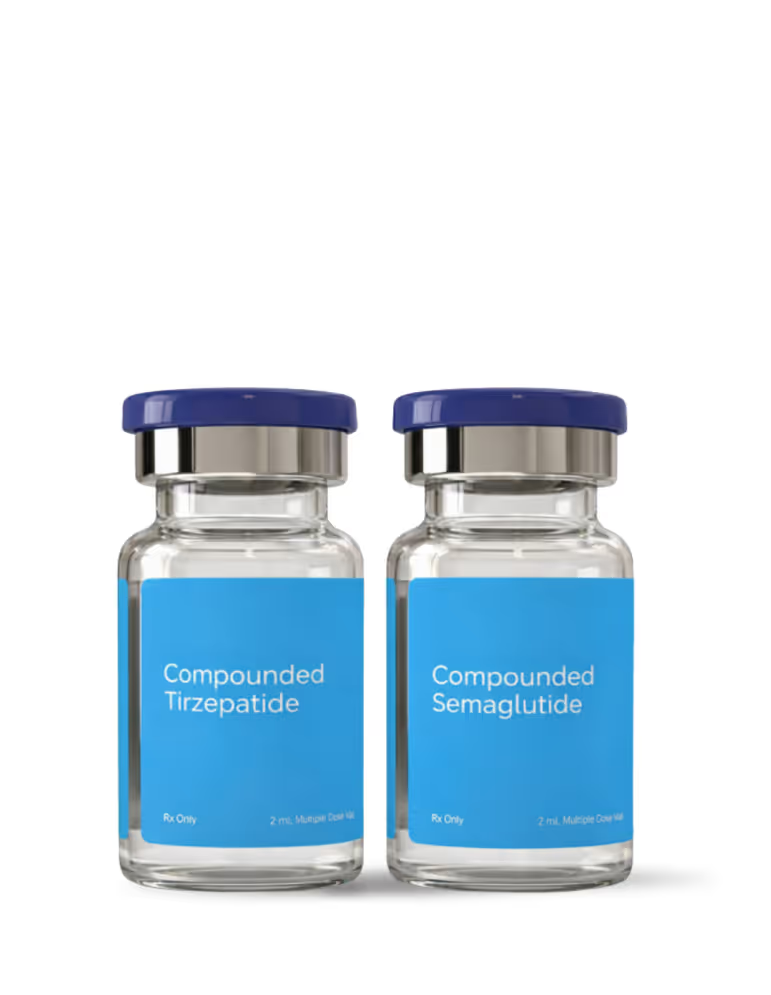
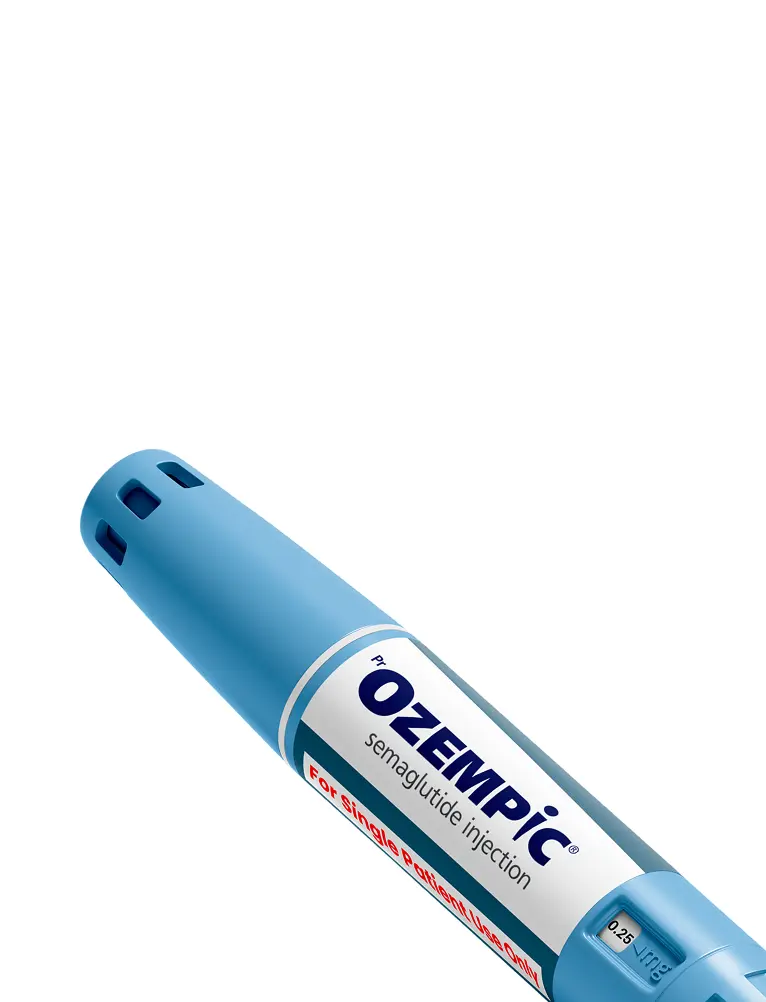
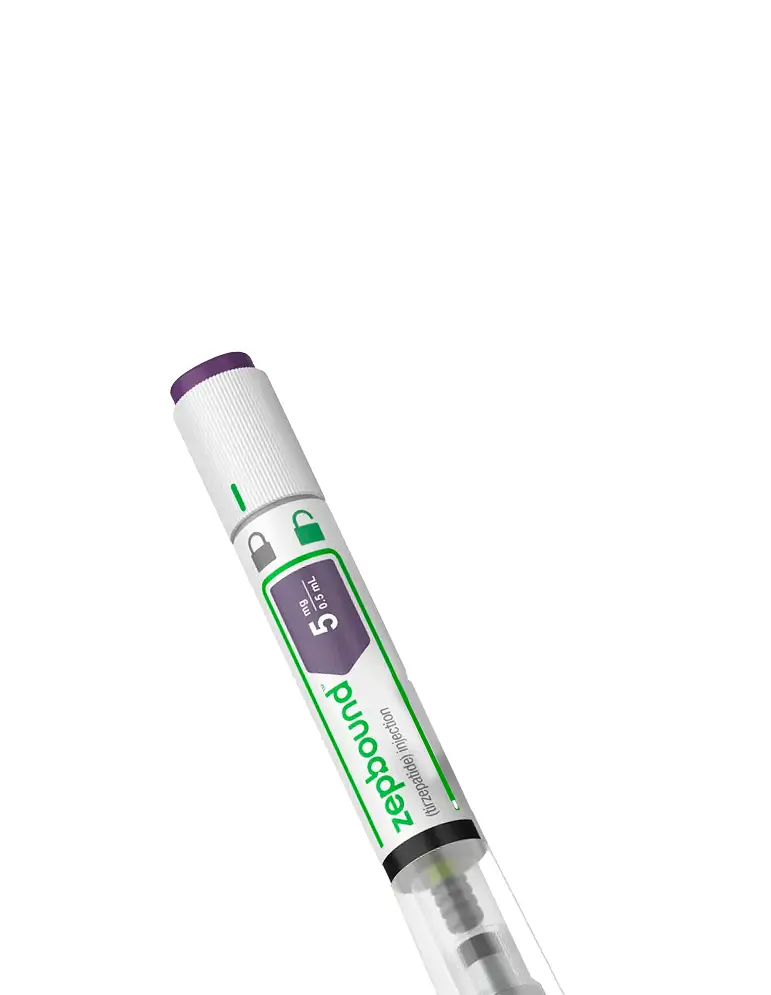
But if you're on a weight loss journey, especially with a GLP-1 medication like semaglutide or tirzepatide, alcohol may be working against you in ways you don't expect.
This post explains how alcohol can affect your hunger signals, how it interacts with GLP-1 medications, and what to do if you still want to enjoy a drink now and then.
No judgment here. Just honest information.
Key Takeaways: What to Know About Alcohol and Weight Loss
- Alcohol can raise hunger hormones and lower your willpower at the same time.
- If you're on a GLP-1 medication, alcohol can impact how the medication affects you.
- The calories in alcohol are often hidden, and they add up fast.
- Cutting back on alcohol can help your progress, even if just on treatment days.
Ready to start your weight loss journey? Take the quiz to see if you qualify.
[BIG CTA GRAPHIC/BUTTON HERE]
Why Alcohol Can Raise Hunger (The Science, Simplified)
Alcohol can affect two key hunger hormones. The first is called ghrelin. It's sometimes called the "hunger hormone." Alcohol can raise ghrelin levels, which can tell your brain you need food even if you just ate.
The second is leptin. This is the hormone that tells your brain you're full. Alcohol can lower leptin levels, so your "I'm satisfied" signal gets quieter.
The result? You feel hungrier and less satisfied at the same time.
Research shows that alcohol tends to increase energy intake beyond what the drink itself contributes. This is sometimes called the aperitif effect: drinking before or during a meal can make you eat more.
And alcohol also reduces your judgment and self-control. So even if you notice the craving, it can be harder to resist.
How Alcohol Interacts With GLP-1 Medications
GLP-1 medications like semaglutide and tirzepatide work partly by slowing digestion and reducing hunger signals. Alcohol can interfere with both of those effects.
Here's what some people notice:
- Alcohol may feel stronger or hit faster when you're on a GLP-1 medication.
- Nausea, dizziness, or vomiting can be more likely if you drink on top of the medication.
- Blood sugar may drop lower than expected, especially if you haven't eaten much, which GLP-1 medications already help with.
The FDA prescribing information for semaglutide does not include alcohol as a direct contraindication, but many licensed healthcare providers recommend caution.
The safest thing you can do is ask your licensed healthcare provider about alcohol before your next drink.
Ask: "Does alcohol interact with my current dose?"
Ask: "Should I avoid drinking on the day I inject?"
Ask: "How might alcohol affect my blood sugar?"
What Most People Notice After a Few Drinks
Even without a GLP-1 medication, alcohol can change behavior in ways that hurt weight loss progress.
Here's what tends to happen:
- You feel hungrier faster than usual.
- You make different food choices. Salty, greasy, and high-calorie foods often become more appealing.
- Your sense of portion size changes. It can be harder to tell when you've had enough.
- Your sleep is disrupted, and poor sleep can increase hunger the next day.
Poor sleep is strongly linked to higher hunger and calorie intake the next day. For women, especially those in perimenopause or postmenopause, these effects may feel even stronger.
Hormone changes during this stage of life can already affect sleep, hunger, and metabolism. Alcohol can add another layer of disruption.
The Hidden Calorie Problem
Alcohol has calories. But it's easy to undercount them. Here's a quick look:
- A glass of wine (5 oz): about 120–130 calories
- A light beer (12 oz): about 90–110 calories
- A margarita or cocktail: often 200–400+ calories
These calories don't tend to make you feel full in the same way food does.
And many alcoholic drinks also contain sugar, which can lead to blood sugar spikes followed by crashes, which then can trigger even more hunger.
The USDA Dietary Guidelines for Americans define moderate drinking as up to 1 drink per day for women. Many people drink more than that in social settings without realizing it.
The goal isn't perfection. It's awareness.
See if a GLP-1 program is right for you. It only takes a few minutes to find out.
[BIG CTA GRAPHIC/BUTTON HERE]
Does Cutting Back on Alcohol Actually Help with Weight Loss?
Yes, and the results can be meaningful. Cutting back on alcohol can help:
- Reduce extra calorie intake each week.
- Improve sleep quality, which supports better hunger control.
- Lower inflammation, which may support weight loss progress.
- Make it easier to stick to your eating plan.
You don't have to quit entirely. Many people see progress by simply cutting back on frequency or volume.
Even reducing from 3–4 drinks per week to 1–2 can make a difference over time.
Results vary, of course. Your progress depends on your full picture—medication, nutrition, sleep, stress, activity, and more.
“Not only a weight loss miracle, but cut my alcohol use to zero! It was so easy to navigate, fill out the questionnaire, and get approved. I have been on semaglutide injections, through GetThin MD, for seven months and have lost 32 lbs. After struggling my entire life with weight and alcohol issues, being able to obtain and afford semaglutide has been a Godsend! It has become recently discovered that semaglutide cuts alcohol cravings and that in itself has been worth it for me! Thank you Get Thin MD for my whole new lifestyle as a much thinner, happier, and alcohol free gal!” - Aimee J., Get Thin MD Customer
Practical Tips if You Still Want to Drink Alcohol on a GLP-1
Here are some simple things that may help:
- Eat a protein-rich meal before you drink. This can slow how fast alcohol is absorbed.
- Drink water between alcoholic drinks to stay hydrated.
- Choose lower-calorie options when possible, like wine or light beer over cocktails with added sugar.
- Set a limit before you go out and tell a friend to help you stick to it.
- Consider skipping alcohol on the day you take your injection.
- If nausea or dizziness is already a side effect for you, alcohol is more likely to make it worse.
Small shifts add up. You don't have to be perfect to make progress.
When to Talk to Your Licensed Healthcare Provider
Talk to your licensed healthcare provider if:
- You feel much more affected by alcohol than you used to.
- You're experiencing nausea, dizziness, or vomiting after drinking on your medication.
- You notice blood sugar drops or unusual symptoms after drinking.
- You're not sure how alcohol fits into your plan.
Your care team is there to help — without judgment. There are no wrong questions to ask.
For safety details about your medication, visit our Important Safety Information page.
Why Get Thin MD
At Get Thin MD, you don't have to figure this out alone.
When you start, you get:
- A licensed healthcare provider who reviews your health history
- Dedicated Care Coaches for ongoing support and guidance
- Access to Registered Dieticians for professional nutrition help
- An onboarding call within 24–48 hours of your first order
- 24/7 support by chat or phone
Pricing is clear and doesn't automatically go up just because your dose does.
Have questions? Your care team is ready. Start with a quick quiz.
[BIG CTA GRAPHIC/BUTTON HERE]
The Bottom Line
Alcohol can raise hunger signals, lower your sense of fullness, add hidden calories, and interact with GLP-1 medications.
That doesn't mean you can never drink. It means you go in with more information than before.
Talk to your licensed healthcare provider. Adjust what you can. Keep going.
Important Safety Information
Get Thin connects patients with licensed providers who may prescribe medication through state-licensed pharmacies. Prescription medication only available if prescribed after an online consultation, as applicable, with a healthcare provider. Physicians may prescribe compounded medications as needed to meet medical necessity or drug shortages. The FDA does not review or approve any compounded medications for safety or effectiveness. Results may vary. Please visit https://www.getthinusa.com/important-safety-information for important safety information.