How GLP-1 Medicines Help You Feel Full Faster


You sit down to eat and stop halfway through. Not because you forced yourself, but because you just... weren't hungry anymore.
For many people on a GLP-1 medication, that moment feels strange at first. Even surprising.
So, what's actually happening? And why does it feel so different from willpower?
This post breaks it down simply. No jargon, just what's going on in your body and how to work with it.
Key Takeaways: How GLP-1 Medications Work
- GLP-1 medications work on hunger signals in your brain, not just your stomach.
- They help your body release insulin and slow down how fast food leaves your stomach.
- Many people notice fewer cravings and less of an urge to snack (results vary).
- The first few weeks may feel different. That's normal. Your body is adjusting.
Ready to see if a GLP-1 program is right for you? Start here.
[BIG CTA GRAPHIC/BUTTON HERE]
What GLP-1 Actually Does in Your Body
GLP-1 stands for glucagon-like peptide-1. That's a mouthful. Here's what it means.
GLP-1 is a natural hormone your gut makes when you eat. It tells your body: food is here, start managing it.
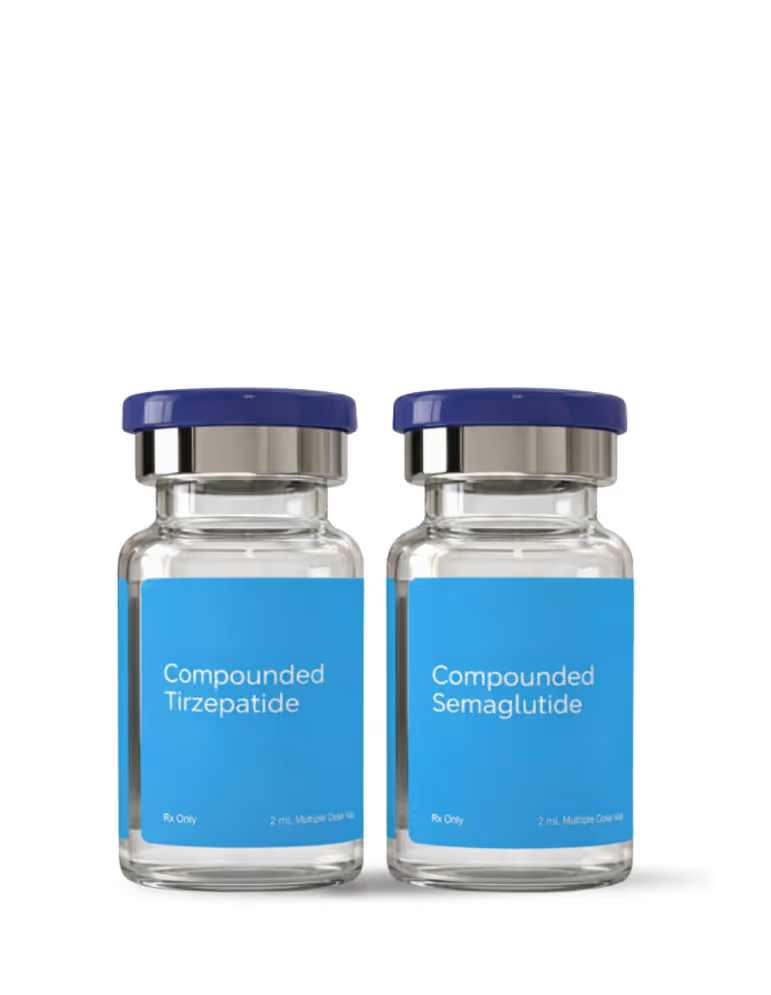
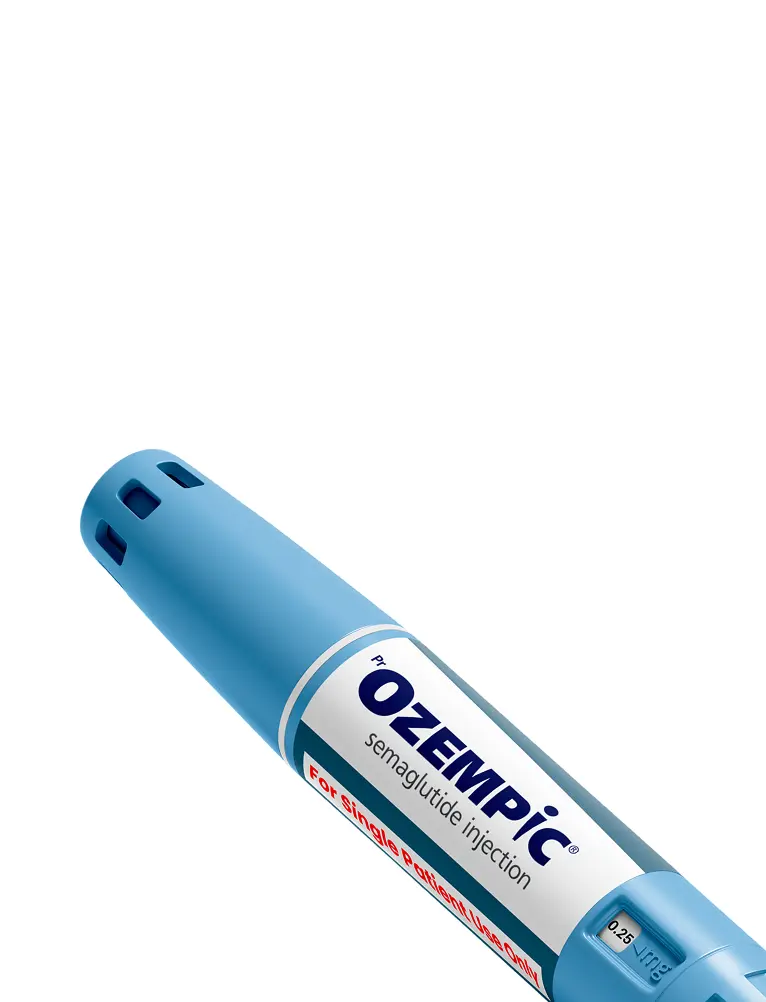
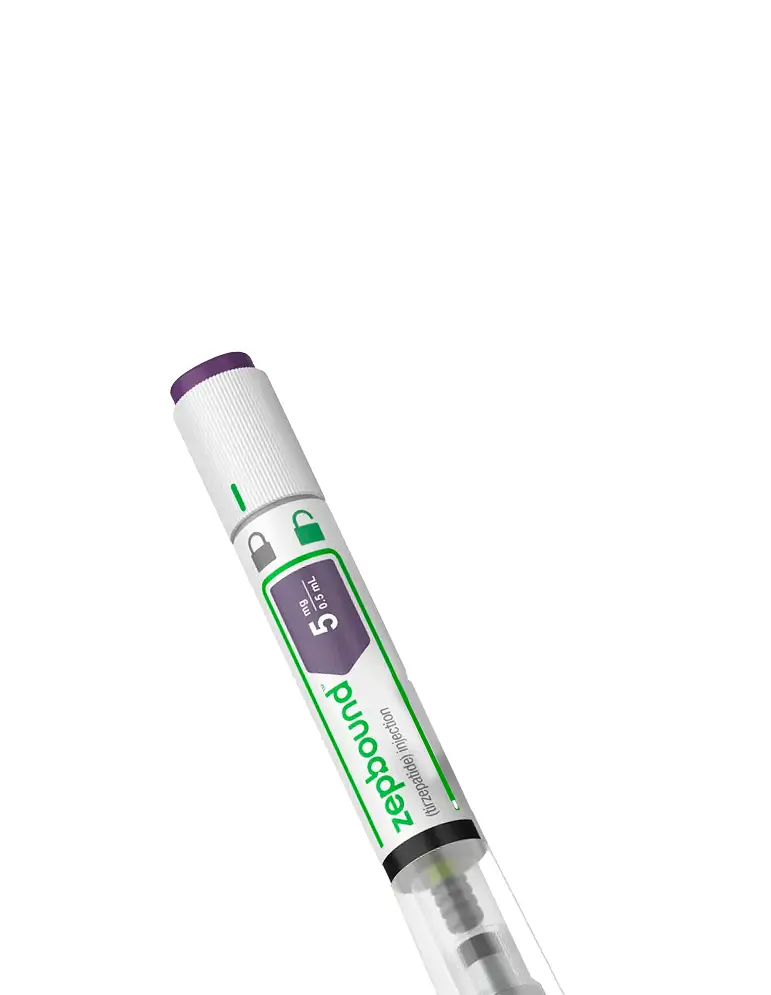
GLP-1 medications are formulated to copy what that natural hormone does and extend its effects.
Here's what they do:
- Signal your pancreas to release insulin (which helps manage blood sugar)
- Tell your liver to slow down glucose release
- Slow how fast food moves from your stomach to your intestines
- Send messages to your brain that say you're full
That last one is the big one. GLP‑1 medications influence brain pathways involved in hunger and fullness, which is one reason they can affect weight.
Want to learn more about how GLP-1 medications are approved and used? The FDA has a clear overview.
How Hunger Signals Work (Simply Explained)
Hunger isn't just your stomach growling. It's a conversation between your gut, your hormones, and your brain.
Two hormones do a lot of the talking:
- Ghrelin: the "I'm hungry" hormone. It rises before meals and drops after you eat.
- Leptin: the "I'm full" hormone. It tells your brain you have enough energy stored.
For many people, especially after years of dieting, this system gets thrown off.
Ghrelin stays high. Leptin signals get ignored. You eat, but your brain doesn't get the "stop" message clearly. This is one reason dieting feels so hard. It's not a lack of willpower. It's biology.
GLP-1 medications step in to help reset that conversation. Research published by the NIH on GLP-1 and appetite regulation shows how these hormones affect fullness signals in the brain.
Where GLP-1 Changes the Equation
GLP-1 medications work in 3 key ways to help reduce hunger:
- They can help slow digestion. GLP-1s can slow how quickly food leaves your stomach. That may help some people feel full for longer after eating..
- They can help your brain recognize when you’re full. GLP-1 receptors exist in the brain, especially in areas that control appetite and reward. GLP-1 medications can activate those receptors, which may help reduce hunger and make it easier to feel satisfied with less food.
- They can help the body manage blood sugar levels. Big swings in blood sugar can be linked with cravings, especially for sugar and carbs. GLP-1 medications help the body manage blood sugar levels, which may help reduce these sudden cravings in some people.
Why Cravings Get Quieter on GLP-1s for Many People
This one surprises a lot of people. It's not just hunger that changes, it's cravings.
Many people report less interest in high-fat or high-sugar foods. Some notice they don't think about food as much. Some even say they cut back on emotional eating.
Why? Because GLP-1 medications may affect the brain's reward system.
Food—especially sweet or fatty food—triggers dopamine in the brain. That's the "feel good" response. For some people, that response drives cravings even when they're not hungry. GLP-1 medications may dial down that reward signal. Not completely, but enough that food feels less urgent.
This is different from willpower. You're not white-knuckling it. Instead, the biology is shifting.
Results vary. Not everyone experiences the same level of appetite change. That's normal.
Curious if a GLP-1 program fits your life? Take the quiz and find out.
[BIG CTA GRAPHIC/BUTTON HERE]
Appetite Changes People Often Report in the First Few Weeks With GLP-1s
GLP-1 medications build up gradually. Most people start on a low dose and increase over time.
Here's what the first few weeks often look like:
- Week 1–2: You may not notice much. The dose is low. Your body is adjusting.
- Week 3–4: Some people start eating less without trying. Cravings may quiet.
- Month 2+: Many people notice a real shift in hunger and fullness patterns (results vary).
Some people also notice side effects in the early weeks. Nausea is the most common one. It often gets better as your body adjusts. Other possible side effects include:
- Constipation or loose stools
- Fatigue or headaches early on
- Reduced appetite for food you used to enjoy
Side effects are worth talking to your licensed healthcare provider about, especially if they don't ease up. For a full list, visit the Get Thin MD Important Safety Information page.
What Still Requires Effort on Your Part
GLP-1 medications are a tool. A powerful one. But they work best when you work with them.
Here's what still matters:
- Protein. Getting enough protein helps protect muscle while you lose weight. Try to incorporate protein at every meal.
- Hydration. Drink water throughout the day. It can help with side effects and support energy levels.
- Movement. Even short walks help. Muscle loss can happen during weight loss—moving and exercising regularly can help prevent excessive muscle loss.
- Sleep. Poor sleep raises hunger hormones. In other words, poor sleep can make it harder for you to succeed even with medication.
- Check-ins. Your care team is there for a reason. Use them.
You don't have to be perfect. Small, steady habits work better than all-or-nothing plans.
The Obesity Medicine Association's guidelines on lifestyle support during GLP-1 therapy highlight why nutrition and movement still matter alongside medication.
When to Talk to Your Licensed Healthcare Provider
Reach out if you notice any of the following:
- Nausea or vomiting that doesn't get better after the first few weeks
- Stomach pain that's sharp or gets worse
- Signs of low blood sugar: shakiness, dizziness, cold sweats
- You're not feeling full at all, or feeling uncomfortably full after very small amounts
- Questions about your dose or how to adjust it
Your licensed healthcare provider can adjust your plan. There's no need to push through something that feels wrong.
At Get Thin MD, you have unlimited, one-on-one access to a Care Coach and 24/7 access to support.
Why Get Thin MD
Get Thin MD is a US-based telehealth program with licensed healthcare provider oversight.
Here's what's included:
- A licensed healthcare provider reviews your health history and determines if treatment is appropriate
- Care Coaches work with you throughout your time as a customer
- Free consultation with a Registered Dietitian for nutrition guidance
- Discreet, direct-to-door shipping
- Transparent pricing. There are no surprise price increases and the price won’t go up just because your dose does.
- 24/7 access to support
If prescribed, you'll receive clear instructions and ongoing support from your care team. Many customers report feeling more supported here than with other programs, but results and experiences vary.
“Gethinusa.com has been amazing in my weight loss journey and has become a part of my overall focus on health for these past 22 weeks. The oversight by the team to meet and discuss progress and provide motivational coaching and medical approval also has been a terrific part of Get Thin MD toolkit. As my endocrinologist is deeply involved in this journey, she also could not be more pleased with the support and progress she is seeing on my weight loss journey and improved overall health.” – Mitchell D., Get Thin MD Customer
See how Get Thin MD works — and start your intake today.
[BIG CTA GRAPHIC/BUTTON HERE]
The Bottom Line
GLP-1 medications don't just fill your stomach. They change the conversation your body has with your brain about hunger. For many people, that means less noise around food, fewer cravings, and less overeating.
Results vary. But understanding what's happening in your body can help you work with your medication, not against it. Talk to your licensed healthcare provider about whether a GLP-1 medication may be right for you.
Important Safety Information
Get Thin connects customers with licensed providers who may prescribe medication through state-licensed pharmacies. Prescription medication only available if prescribed after an online consultation, as applicable, with a healthcare provider. Physicians may prescribe compounded medications as needed to meet medical necessity or drug shortages. The FDA does not review or approve any compounded medications for safety or effectiveness. Results may vary. Please visit https://www.getthinusa.com/important-safety-information for important safety information.