Can Exercise Help Depression? What Studies Show


You drag yourself out of bed. You feel heavy. The last thing you want to do is move.
But you've heard it before: exercise might help. Is that actually true?
The research is pretty clear. And the answer is yes, but it's more nuanced than "just go for a walk." Here's what the science says, why it works, and how to start even when you have zero motivation.
Key Takeaways: The Connection Between Mental Health and Exercise
- Studies show exercise can reduce depression symptoms, sometimes as much as medication.
- Movement changes your brain chemistry in real, measurable ways.
- You don't need a gym or a long workout. Even 20–30 minutes a few times a week can help.
- Exercise alone is not a replacement for professional care, but it can be a powerful part of it.
Ready to feel better from the inside out? See how Get Thin MD supports your full health journey.
[BIG CTA GRAPHIC/BUTTON HERE]
What the Research Shows About Exercise and Depression
This isn't just feel-good advice. Real studies back it up.
A major review published by JAMA Psychiatry looked at over 1,000 trials. The finding: exercise had significant effects on depression, anxiety, and psychological distress.
Another well-known study found that exercise worked as well as antidepressants for mild to moderate depression in some adults.
And a 2023 study in the British Journal of Sports Medicine confirmed: physical activity is a highly effective treatment for depression and anxiety.
The takeaway? Exercise isn't just a nice addition to your routine. It can be a meaningful part of how you feel day to day.
Why Moving Your Body Changes Your Brain
When you move, your brain releases chemicals that affect your mood. Endorphins are one. They're your body's natural pain and stress relievers.
But exercise also raises levels of serotonin, dopamine, and norepinephrine. These are the same chemicals many antidepressants target.
Exercise also reduces cortisol. Cortisol is your stress hormone. High cortisol over time has been linked to weight gain, mood problems, and low energy.
Movement can also help your brain grow new cells in the hippocampus, the part of the brain tied to memory and mood.
In short: your brain literally changes when you exercise regularly.
How Much Exercise Do You Need?
You don't need to run a marathon.
Research suggests 150 minutes of moderate movement per week—that's about 30 minutes, 5 days a week—can make a real difference.
But even less than that helps. The CDC reports that any amount of physical activity is better than none.
For mood benefits, studies point to:
- Aerobic exercise: walking, swimming, biking, dancing
- Strength training: lifting weights or using resistance bands
- Yoga and stretching: especially helpful for stress and anxiety
The type matters less than doing something consistently.
Questions to Ask Before You Start
If you're working with a licensed healthcare provider, here are good starting points:
Ask: "Is there any reason I shouldn't add exercise given my current health or medications?"
Ask: "What kind of movement is safest for me right now?"
Ask: "Can exercise affect my GLP-1 medication or weight loss progress?"
Ask: "Should I work with a dietitian to support my energy while I start moving more?"
The Easiest Ways to Start Exercising (No Gym Required)
Starting is the hardest part. Here's what actually works when motivation is low.
Start tiny. A 10-minute walk counts. Really.
Do something you don't hate. Dancing in your kitchen is exercise. So is gardening or a slow bike ride.
Pair it with something else. Listen to a podcast or audiobook only while moving. It gives you a reason to go.
This week, try:
- Day 1: 10-minute walk after a meal
- Day 3: 15-minute stretch or yoga video
- Day 5: Walk again, or try something new
That's it. You don't need more than that to start noticing a difference in your mood.
Want support building habits that stick? Get Thin MD's Care Coaches can help. See how it works.
[BIG CTA GRAPHIC/BUTTON HERE]
How Exercise and Your Mood Connects to Weight and GLP-1 Treatment
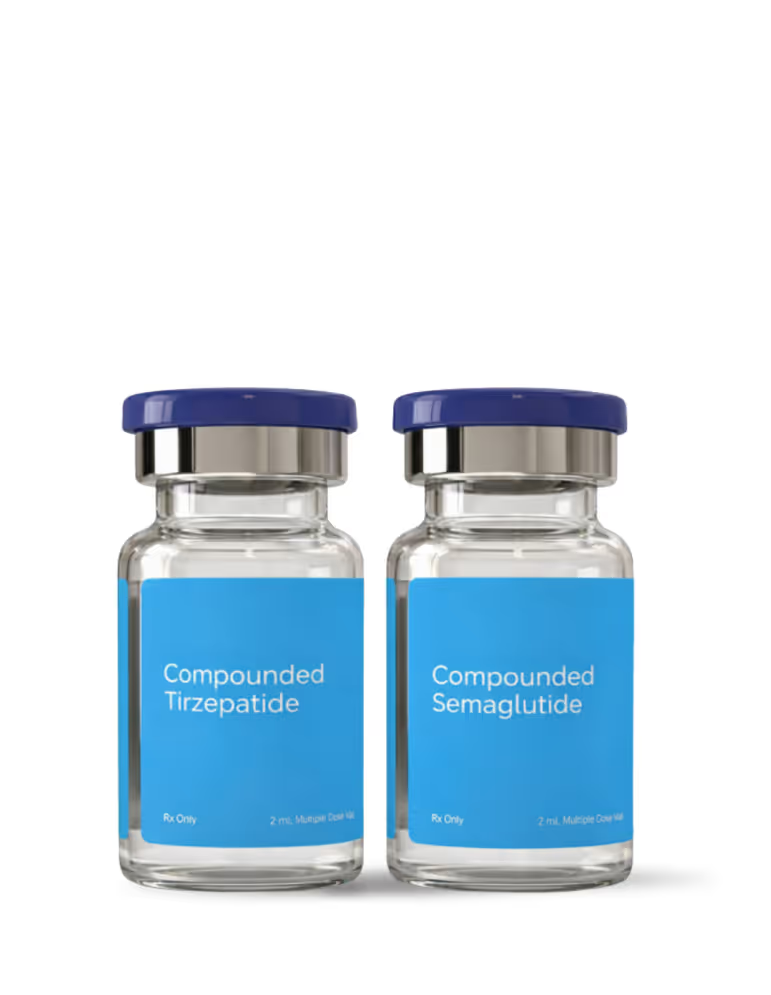
Many Get Thin MD customers use GLP-1 medications like compounded semaglutide or compounded tirzepatide. GLP-1 medications can reduce appetite. But they tend to work best when paired with movement and good nutrition.
Exercise can help protect muscle mass during weight loss. Without it, the body can lose muscle along with fat.
Research also shows that exercise can improve how your body responds to insulin, which can affect energy levels, cravings, and how GLP-1 medications work.
And mood-wise? Feeling better mentally often makes it easier to stick with healthy habits. It's a cycle that works in your favor.
One more thing: some people feel fatigue or low energy in the early weeks of GLP-1 treatment. Starting with gentle movement—not intense workouts—may be the smarter option.
When Exercise Isn't Enough
Exercise is powerful. But it's not a cure.
If you're dealing with severe depression, thoughts of self-harm, or symptoms that make daily life very hard, please reach out to a mental health professional right away.
Exercise can support mental health. It is not a replacement for therapy, medication, or professional support when those are needed.
Signs you should talk to someone sooner rather than later:
- You can't get out of bed most days
- You've lost interest in things you used to enjoy
- You feel hopeless or worthless often
- You're having thoughts of hurting yourself
If any of these feel true, please contact a licensed healthcare provider or a mental health crisis line.
When to Talk to Your Licensed Healthcare Provider
Talk to your licensed healthcare provider before starting a new exercise routine if:
- You have a heart condition, joint problems, or other physical limitations.
- You're on medications that affect your energy or heart rate.
- You've had recent surgery or injury.
- You're not sure what intensity is safe for you.
Get Thin MD's care team, including your Care Coach and Registered Dietitian, can help you build a plan that fits your body and your goals.
Why Get Thin MD
Get Thin MD takes a whole-person approach.
That means you're not just handed a medication and sent on your way.
Every customer gets access to Care Coaches and Registered Dietitians. Your Care Coach helps with:
- Understanding your medication.
- Building habits you can stick with.
- Staying motivated when it gets hard.
You also get 24/7 support. If something feels off—physically or emotionally—you can always reach out.
And here's something worth knowing: there are no membership fees, no surprise price increases, and the price won’t go up just because your dose does.
See if Get Thin MD is right for you. Take the quick quiz to get started.
[BIG CTA GRAPHIC/BUTTON HERE]
The Bottom Line
Exercise really can help with depression. The science is real.
You don't need to do a lot to start. You just need to start.
Small, consistent movement paired with the right support can shift how you feel in ways that matter. Results vary, but the research is on your side.
If you're on a health journey and want a team that supports all of you, not just the number on the scale, we're here.
Important Safety Information
Get Thin connects patients with licensed providers who may prescribe medication through licensed pharmacies. Prescription medication only available if prescribed after an online consultation, as applicable, with a healthcare provider. Physicians may prescribe compounded medications as needed to meet medical necessity or drug shortages. The FDA does not review or approve any compounded medications for safety or effectiveness. Results may vary. Please visit https://www.getthinusa.com/important-safety-information for important safety information.