Could Stress Be Making You Gain Weight? Here's the Science


You've been eating well. You've been trying. But the scale won't budge, and you feel more tired, more hungry, and more frustrated than ever.
Sound familiar? You're not imagining it.
Stress affects your body in real ways. It can change your hormones, and for some people those changes may make it harder to manage their weight.
Here's what's actually going on and what you can do about it.
Key Takeaways: Stess and Weight Loss
- Chronic stress raises a hormone called cortisol. Cortisol can lead the body to store fat, especially around the belly for some people.
- Sleep, stress, and weight are all connected. Improving one area often helps the others.
- Small daily habits like deep breathing, eating enough protein, and improving sleep can make a meaningful difference over time.
- Some people find that a GLP-1 medication helps manage appetite during high-stress periods. Results vary.
Ready to take the first step? Find out if Get Thin MD is right for you.
[BIG CTA GRAPHIC/BUTTON HERE]
What Is Cortisol?
Cortisol is a hormone your body makes when you're stressed. Think of it as your body's built-in alarm system.
When something scary happens, like almost getting into a car accident, cortisol shoots up fast. Your heart races. Your energy spikes. Your body gets ready to act.
That's helpful in a real emergency. Your body is responding the way it’s designed to.
The problem is when stress doesn't stop. Jobs, money, family pressure, health worries—these things keep cortisol high, day after day. Your body can't tell the difference between a real physical threat and a stressful email. It responds the same way to both.
And when cortisol stays elevated over weeks and months, it starts to change how your body stores energy and where it stores fat.
How Does Stress Contribute to Weight Gain?
When cortisol stays elevated for a long time, a few things can happen:
- Your appetite may increase. Cortisol can signal the brain to want more food, especially sweet and fatty foods.
- Your blood sugar can swing. Cortisol raises blood sugar, which may then drop, leaving you feeling hungry again even if you just ate
- Your metabolism may slow. High cortisol can make the body burn less energy at rest.
- You may hold on to more fat. Your body may act as if it needs to save energy for ongoing "danger", which can lead to more fat storagee, especially around your midsection.
This is why chronic stress has been linked to weight gain, even for people who aren’t eating more than usual. It also helps explain why stress eating can feel so hard to stop. It's not just a habit. It's a hormone response that varies from person to person.
Why Do I Gain Belly Fat When Stressed?
Cortisol doesn't spread fat evenly. It tends to affect the midsection more, which is sometimes called "stress belly" or visceral fat.
Visceral fat isn't the same as the fat you can pinch on your waist. It sits deeper,around your organs inside the abdomen. Research suggests that visceral fat is more harmful than fat in other areas, because it’s been linked to conditions like heart disease, high blood sugar, and chronic inflammation.
Here's why cortisol may send fat there: your belly has more cortisol receptors than some other parts of your body, so the midsection can respond more strongly when cortisol is high. For women going through perimenopause or menopause, this effect may be more pronounced.
When estrogen drops, belly fat can increase, even without changes in diet. Add chronic stress on top of that, and the belly fat can feel especially hard to shift.
This is a real, physical change. Not a willpower problem.
How Stress and Sleep Are Relates
Here's something a lot of people don't realize: stress can hurt your sleep, and poor sleep can raise cortisol even more.
It's a loop, and it's one of the reasons weight loss can stall for so many women.
- Bad sleep → higher cortisol → more cravings → harder to lose weight
- More stress → harder to fall asleep → even less rest → cortisol stays high
When you're regularly getting only 5 or 6 hours of sleep, your hunger hormones can shift. Ghrelin,the hormone that makes you hungry, tends to go up. Leptin,the hormone that tells you you're full, tends to go down.
That can mean you feel hungrier and less satisfied at the same time, and you may be more likely to reach for high-sugar, high-fat foods to get a quick energy boost.
This isn't a character flaw. It's your biology responding to sleep deprivation in ways that are very common.
Improving sleep isn't just about feeling better. It can be a meaningful part of managing weight and cortisol levels.
Want support that goes beyond the scale? Every Get Thin MD customer gets unlimited, complimentary care coaching as well as access to Registered Dietitians.
[BIG CTA GRAPHIC/BUTTON HERE]
Small Shifts That Can Help Reduce Stress
You don't need a total life overhaul. Small, steady changes can add up, especially when you focus on the ones that can help lower cortisol.
Here are some that are supported by research:
- Deep breathing. Even 5 minutes of slow, deep breaths may help lower cortisol in the moment. Try 4 counts in, hold for 4, out for 6.
- More protein. Protein can help keep blood sugar stable and reduce cravings. Aim for protein at most meals: eggs, Greek yogurt, chicken, beans, or cottage cheese are easy starting points.
- Move your body gently. Walking, stretching, or light movement can lower stress. Even a 10-minute walk after eating can be helpful.
- Cut back on caffeine after noon. Coffee and energy drinks can raise cortisol, especially later in the day. If you're waking up tired, caffeine may be making the cycle worse.
- Go to bed at the same time every night. A consistent sleep schedule can help your body regulate cortisol naturally. Your body clock responds to routine.
- Eat fewer ultra-processed foods. These can cause sharp blood-sugar spikes and feed the stress-hunger cycle. Whole foods with fiber can help slow those spikes.
None of these are magic fixes. But done consistently, they give your body a chance to bring cortisol closer to a healthier range. And lower cortisol may mean less fat storage, fewer cravings, and better sleep—helping everything work a bit more in sync.
Can a GLP-1 Help with Stress-Related Eating and Belly Fat ?
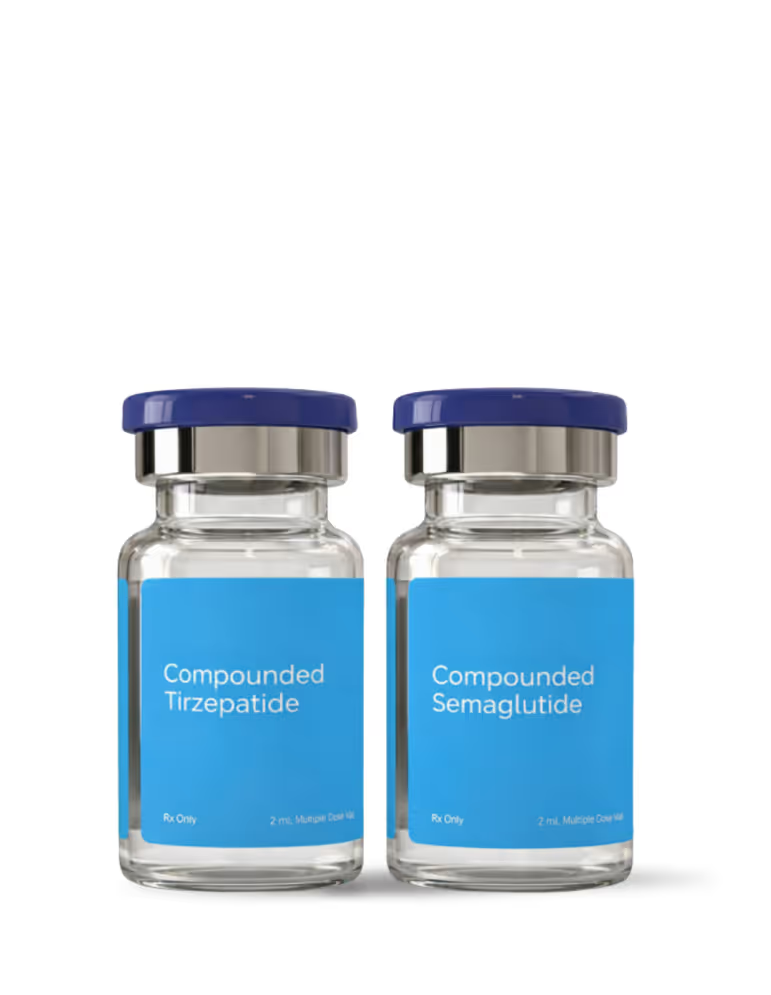
GLP-1 medications like compounded semaglutide or compounded tirzepatide work by reducing appetite and helping your body better manage blood sugar.
For some people dealing with stress-related overeating and belly fat, GLP-1s can be a helpful part of their plan.
Here's why it matters for stress eating specifically: one of the hardest parts of high cortisol is that it drives you toward food even when you're not truly hungry. The craving feels urgent and physical—because it is.
A GLP-1 medication may reduce the intensity of those stress-driven hunger signals, which can make it easier for some people to pause before reaching for food.
Many patients report feeling less controlled by cravings,but results vary. What works well for one person may be different for another.
GLP-1s are a tool, not a shortcut. They work best when paired with better sleep, movement, and real stress management. The goal is to give your body a chance to reset, not to bypass the work entirely.
If you're curious whether a GLP-1 may be right for you, a licensed healthcare provider can review your health history and help you decide. Get Thin MD makes that process simple.
“I was a skeptic but thought I’d try this. I can see and feel the difference just 1 week in. I have not weighed myself but I know I’m losing the weight. No cravings is the best thing ever!” - Zilia H., Get Thin MD Patient
What About Menopause and Perimenopause?
If you're in your 40s or 50s, your hormones are already shifting. Estrogen is dropping. Progesterone is too. Those changes alone can make belly fat harder to avoid, even if your eating habits haven't changed at all.
Add cortisol from chronic stress, and it can compound. Two hormonal forces pushing fat toward the same place at the same time.
Women in perimenopause often notice that the strategies that worked before—cutting calories, adding cardio—stop working the same way. That's not a failure of effort. It's a change in biology.
Sleep can become harder during this time too. Night sweats, racing thoughts, and waking up at 3am are all common. And as we covered above, poor sleep can raise cortisol, which can make the weight picture even harder.
Understanding this connection matters because it changes how you approach the problem.
Instead of pushing harder on the same old tactics, it's worth asking: are my hormones and stress levels working against me? And what would actually address that root issue?
It's not a personal failure. It's biology, and understanding it is the first step to working with your body instead of against it.
When to Talk to a Licensed Healthcare Provider
Some signs that stress may be affecting your health in bigger ways:
- You're gaining weight without a change in eating habits
- You feel tired all the time, even after sleep
- Your cravings feel out of control, especially at night
- You have trouble sleeping most nights
- You feel anxious, irritable, or low for weeks at a time
These are worth talking about. A licensed healthcare provider can help figure out what's going on, and whether there are medical options that might help.
Consider asking your healthcare provider these questions at your next visit:
- Ask: "Could stress or hormones be part of why I'm not losing weight?"
- Ask: "Is my sleep affecting my appetite and cravings?"
- Ask: "Are there options, like a GLP-1, that might help with the hunger side of things?"
- Ask: "What would a full plan look like for me, not just a diet?"
Why Get Thin MD
Get Thin MD takes a whole-person approach to weight loss.
When you start, you get:
- A licensed healthcare provider reviewing your health history before prescribing medication
- Unlimited support from dedicated Care Coaches
- Access to Registered Dieticians for professional nutrition guidance
- Clear steps so you always know what comes next
- Access to compounded semaglutide or tirzepatide, if prescribed
Everything is included for one clear price. No membership fees. No surprises.
See if Get Thin MD is right for you by completing your new patient intake form today.
[BIG CTA GRAPHIC/BUTTON HERE]
The Bottom Line
Stress is a real, physical factor in weight gain. It raises cortisol, and cortisol can promote belly fat and make cravings harder to control.
The good news: small changes add up. Sleep, movement, protein, and breathing are all tools you already have.
And if you want clinical support with a real care team and personalized options, Get Thin MD is here. Get started today!
Important Safety Information
Get Thin connects patients with licensed providers who may prescribe medication through state-licensed pharmacies. Prescription medication only available if prescribed after an online consultation, as applicable, with a healthcare provider. Physicians may prescribe compounded medications as needed to meet medical necessity or drug shortages. The FDA does not review or approve any compounded medications for safety or effectiveness. Results may vary. Please visit https://www.getthinusa.com/important-safety-information for important safety information.