Can Gut Bacteria Make You Crave Sugar?
.jpg)

You reach for something sweet after dinner. Again. You're not hungry. But the urge is just there.
You might assume that's about habit or willpower. But some research suggests something else could be going on inside your gut.
This article explains what your gut bacteria are, how they may send signals that shape your cravings, and what foods may help shift the balance. No science degree required.
Key Takeaways: Why Gut Bacteria Craves Sugar
- Your gut is home to trillions of bacteria and some research suggests they may influence what you want to eat.
- Bacteria that thrive on sugar may send signals that make you want more of it.
- Eating more fiber and less added sugar may help shift your gut balance over time.
- If you are on a GLP-1 medication, it may also have a positive effect on your gut bacteria. Results vary.
Ready to take the first step? See if Get Thin MD is right for you.
[BIG CTA GRAPHIC/BUTTON HERE]
What Is the Gut Microbiome?
Your gut is not just a tube that digests food. It's home to trillions of tiny living things—mostly bacteria. Together, they make up what scientists call the gut microbiome. Think of it like a busy ecosystem living inside your intestines.
These bacteria help break down food. They make vitamins and they talk to your brain through something called the gut-brain axis.
The gut-brain axis is a two-way communication system. Your gut sends signals to your brain. Your brain sends signals back.
This connection plays a role in mood, appetite, and yes, what you crave.
How Your Gut Bacteria May Influence Cravings
Here is a simple way to think about it: Different bacteria eat different things. Some bacteria love sugar. Some bacteria thrive on fiber and plants.
When sugar-loving bacteria make up a big part of your gut, some research suggests they may send signals that push you toward more sugar. It is not fully proven in humans yet, but the evidence is growing.
A 2025 study published in Nature Microbiology found that a specific gut bacteria species produced a substance that triggered the release of hormones (including GLP-1) that then sent signals to the brain to reduce sugar cravings.
That is a big deal. It means certain gut bacteria may actually help quiet the urge for sweets, not cause it. The goal is to support the right bacteria, not just fight willpower.
The Sugar-Gut Loop Explained Simply
Here is the loop in plain terms:
- You eat a lot of added sugar.
- Sugar-loving bacteria grow and multiply.
- Those bacteria may send hunger signals that make you want more sugar.
- You eat more sugar. The cycle continues.
Research from Medical News Today found that when gut bacteria were removed in animal studies, the subjects consumed far more sugary food—but not regular food. The motivation was behavioral, not just caloric.
This suggests that certain bacteria in your gut may actually be the ones helping to keep sugar cravings in check, not just your brain. The good news? You can feed the helpful bacteria, and you can starve the ones that are not helping you.
What Feeds 'Bad' Bacteria (and What Starves Them)
Some foods feed sugar-loving bacteria. Others feed the helpful kind.
Foods that may grow the wrong kind of gut bacteria:
- Added sugars (soda, candy, sweetened drinks, pastries)
- Ultra-processed snacks and fast food
- White bread and refined grains
- Artificial sweeteners may also affect gut bacteria balance, though research is mixed
Foods that may starve them and feed helpful bacteria:
- Fiber-rich vegetables (leafy greens, broccoli, artichokes, leeks)
- Legumes like beans and lentils
- Oats and whole grains
- Berries and other whole fruits
- Cooked and cooled potatoes or rice (these create a special type of fiber called resistant starch)
Consistency matters more than perfection. You do not need a complete diet overhaul overnight.
Want support building healthy habits that last? Get Thin MD has Registered Dieticians as part of your care team.
[BIG CTA GRAPHIC/BUTTON HERE]
Foods That May Help Shift the Balance
Some foods actively support the helpful bacteria in your gut. Here are simple ones to add:
- Fermented foods: like plain yogurt, kefir, kimchi, and sauerkraut. These contain live cultures that may add helpful bacteria to your gut.
- Prebiotic foods: like garlic, onions, asparagus, and bananas. These feed the helpful bacteria you already have.
- Protein at every meal: helps you feel full longer and may reduce the urge to snack on sugar.
- Water: staying hydrated supports digestion and overall gut health.
You do not need supplements or detoxes. Simple, consistent food choices may shift the balance over time. Results vary from person to person. Working with a Registered Dietician may help you build a plan that fits your life.
Does This Change on a GLP-1?
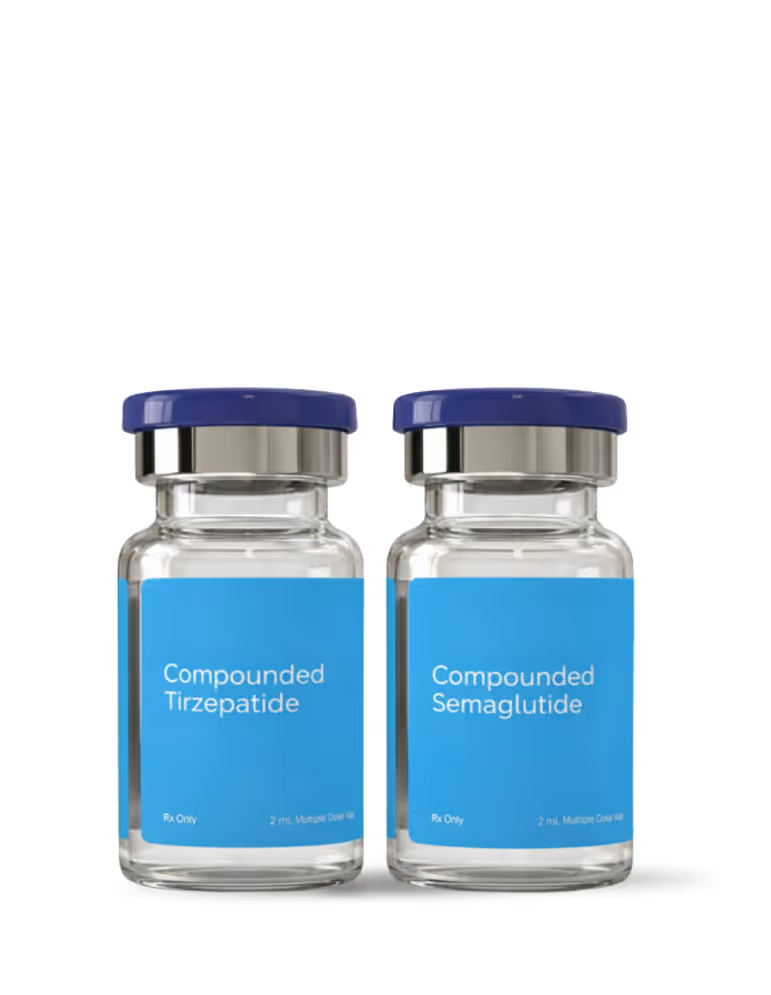
If you are on a GLP-1 medication like compounded semaglutide or compounded tirzepatide, there is an interesting connection here.
GLP-1 is not just a medication—it’s also a hormone your body naturally produces. Certain gut bacteria help trigger its release. Some early research suggests GLP-1 medications may also positively affect gut microbiome balance, including supporting beneficial bacteria.
A 2025 systematic review published in Nutrients found that GLP-1 medications may support the growth of helpful gut bacteria. Some studies showed increases in bacteria linked to better metabolic health.
This does not mean GLP-1 medications are a gut health treatment. The research is still early, but it is a promising connection worth knowing about.
The bottom line: eating well while on a GLP-1 medication may work with the medication to support your gut health and help reduce cravings. A Registered Dietician can help you make the most of this.
When to Talk to Your Licensed Healthcare Provider
Most gut health steps—eating more fiber, less sugar, trying fermented foods—are safe and simple for most people.
But talk to your licensed healthcare provider if:
- You have been diagnosed with IBS, Crohn's, colitis, or another gut condition
- You are thinking about starting a probiotic supplement
- You have noticed sudden changes in digestion, stool, or appetite
- You are on any medication that might interact with big diet changes
For full safety details, review the Important Safety Information.
Why Get Thin MD
At Get Thin MD, we know that weight loss is not just about medication. It is about support at every step.
- Licensed healthcare provider oversight: a real provider reviews your health history and determines if treatment is right for you.
- Access to Care Coaches included: guidance on how to use your medication, what to expect, and how to stay on track.
- A free consultation with a Registered Dietician: expert nutrition support, including help with building gut-healthy eating habits.
- Transparent pricing: your price won’t go up just because your dose does. No surprise price increases.
- 24/7 support: you can always send a message or call if you have a question.
Many customers report feeling more supported with Get Thin MD than they have anywhere else. Results vary.
Curious if Get Thin MD is right for you? Take the quiz to find out.
[BIG CTA GRAPHIC/BUTTON HERE]
The Bottom Line
Your gut bacteria are not just passengers. They may actually play a role in what you want to eat. More sugar can grow bacteria that want more sugar. More fiber can grow bacteria that help keep cravings quieter.
Small, consistent steps, like adding more fiber, eating fermented foods, and cutting back on added sugars may shift the balance over time.
If you are on a GLP-1 medication, the two may work together in ways that science is still learning about.
Important Safety Information
Get Thin connects customers with licensed providers who may prescribe medication through state-licensed pharmacies. Prescription medication only available if prescribed after an online consultation, as applicable, with a healthcare provider. Physicians may prescribe compounded medications as needed to meet medical necessity or drug shortages. The FDA does not review or approve any compounded medications for safety or effectiveness. Results may vary. Please visit https://www.getthinusa.com/important-safety-information for important safety information.