Your Gut and Your Weight: What GLP-1 Users Should Know
.jpg)

You started a GLP-1 medication and things are going well, until your stomach starts acting up. Maybe you're constipated. Maybe you feel bloated after eating. Or maybe the scale just stopped moving.
Your gut might be part of the story. GLP-1 medications slow down digestion, and that can affect a lot more than just appetite.
Here's what to know, what to try, and when to reach out for help.
Key Takeaways: The Connection Between Your Gut and Weight Loss
- GLP-1 medications slow how fast food moves through your gut, which can lead to nausea, constipation, or bloating.
- Fiber, hydration, and protein all play a big role in how well your gut works on a GLP-1.
- A healthy gut can help your weight loss journey go more smoothly; a struggling gut can slow it down.
- Most side effects are manageable. Simple habit changes often help a lot.
Ready to start your weight loss journey with real support? See if you qualify.
[BIG CTA GRAPHIC/BUTTON HERE]
How GLP-1 Affects the Gut
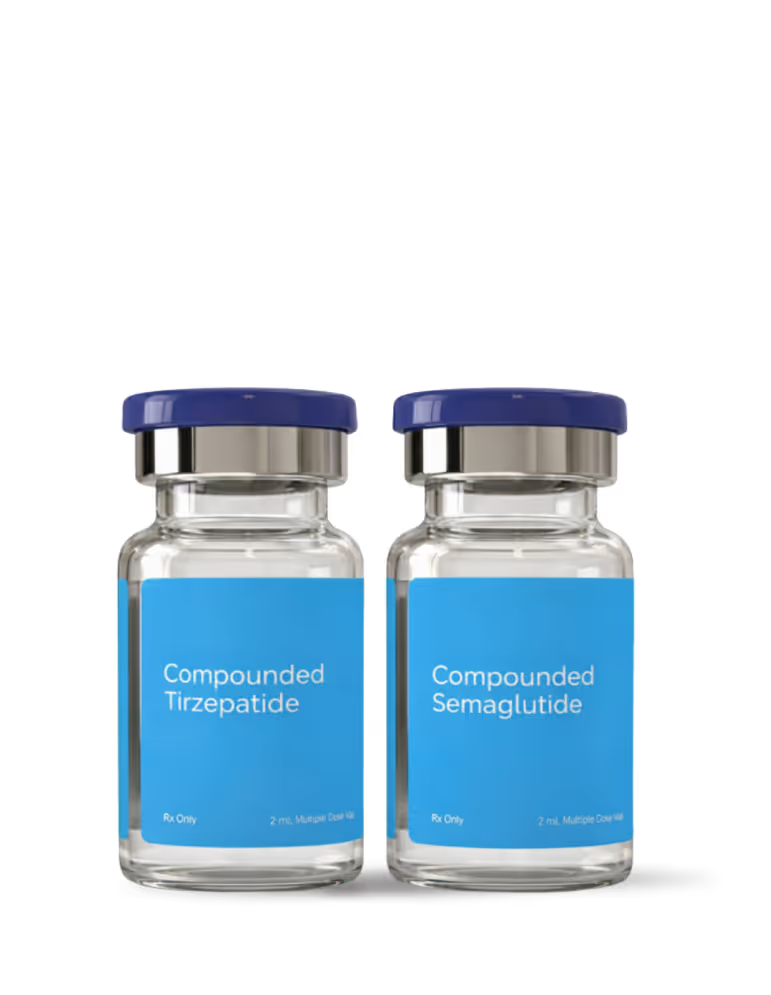
GLP-1 medications like compounded semaglutide and compounded tirzepatide work by slowing something called gastric emptying.
That's the medical term for how fast your stomach pushes food into your intestines.
When gastric emptying slows down, food stays in your stomach longer. That’s why many GLP-1 customers report feeling fuller faster and staying full longer.
That's a big part of why GLP-1 medications help with appetite and weight loss. But it can also lead to some uncomfortable side effects, like:
- Nausea
- Constipation
- Bloating or gas
- Feeling too full, even after a small meal
These are common, especially at first, but most people see them ease up as their body adjusts. For more on side effects and what's normal, see our Important Safety Information page.
The Fiber Connection
Fiber is one of the most helpful things you can eat on a GLP-1, and one of the most overlooked.
Fiber is the part of plant foods that your body can't fully digest. It adds bulk to stool and helps move things along. Without enough fiber, constipation often gets worse—and constipation is one of the most common complaints for GLP-1 users.
Good fiber sources:
- Oats, lentils, and beans
- Fruits like apples, pears, and berries
- Vegetables like broccoli, carrots, and leafy greens
- Whole grains like brown rice or whole wheat bread
The goal? Most adults need 25–38 grams of fiber per day. Most people get far less than that.
Add fiber slowly. Going too fast can make bloating worse. Give your gut a week or 2 to adjust.
Hydration and Digestion
Water is just as important as fiber. Without enough water, fiber can actually make constipation worse, not better. Think of fiber like a sponge. It needs water to do its job.
GLP-1 medications can also reduce your thirst. Some people eat and drink less without even noticing, which can lead to dehydration.
Signs you may not be drinking enough:
- Dark yellow urine
- Headaches
- Fatigue
- Constipation that isn’t improving
Aim for at least 8 cups of water a day, or more if you're exercising or in a warm climate. Herbal tea, broth, and water-rich foods (like cucumbers and watermelon) count too.
Keep a water bottle nearby. It's easy to forget when you're not feeling hungry or thirsty.
Why Gut Health Affects the Scale
Here's something many people don't expect: poor gut health can slow down your weight loss.
Research suggests that the trillions of bacteria in your gut—called the gut microbiome—affect how your body processes food, stores fat, and responds to hunger signals.
A study found that gut bacteria can influence body weight, metabolism, and even how GLP-1 hormones work in your body.
When your gut is inflamed, backed up, or missing key nutrients, your body may hold onto fat or have a harder time feeling satisfied after meals.
In short: a healthier gut supports better results, and the habits below can help.
Questions about your weight loss plan? Our care team is here to help.
[BIG CTA GRAPHIC/BUTTON HERE]
6 Simple Habits to Support Your Gut
You don't need to overhaul your entire diet. Small, steady changes add up.
Try these gut-friendly habits:
- Add 1 high-fiber food per meal. Start small. A handful of berries, a side of broccoli, or a bowl of oatmeal works.
- Drink water before and after meals. Avoid chugging during meals—it can increase bloating.
- Eat slowly and chew well. GLP-1 slows digestion, so rushing through meals can make nausea worse.
- Get your protein in. Protein helps preserve muscle while you lose weight and supports a healthy gut lining. Aim for lean sources like chicken, fish, eggs, Greek yogurt, or legumes.
- Move a little every day. Even a 10-minute walk after meals can help move things through your gut.
- Consider a probiotic or fermented foods. Foods like yogurt, kefir, sauerkraut, and kimchi may support gut bacteria. Ask your licensed healthcare provider before starting a supplement.
You don't have to do all of these at once. Pick 1 or 2 and build from there.
Managing Nausea on GLP-1
Nausea is often the most common side effect when starting a GLP-1, but it usually fades over time.
Here's what often helps:
- Eat smaller meals, more often.
- Avoid greasy or heavily spiced foods.
- Stay upright for at least 30 minutes after eating.
- Eat at regular times. Skipping meals can make nausea worse.
- Ginger tea or plain crackers may ease mild nausea.
Nausea from GLP-1 medications is often mild to moderate and tends to improve after the first few weeks.
When to Talk to Your Licensed Healthcare Provider
Some gut issues are part of adjusting. Others need attention. Contact your licensed healthcare provider if you notice:
- Nausea that doesn’t improve after a few weeks
- Severe stomach pain or cramping
- No bowel movement for more than 3 days
- Blood in your stool
- Signs of dehydration (extreme thirst, dizziness, dark urine)
- Vomiting that stops you from eating or drinking
Don't wait it out if something feels wrong. Your care team is here for exactly this.
For full safety details, visit our Important Safety Information.
Why Get Thin MD
At Get Thin MD, we know that weight loss is about more than a medication. It's about having the right support every step of the way.
Here's what you get when you work with us:
- A licensed healthcare provider reviews your health history and determines if treatment is right for you.
- A Care Coach guides you through your journey, including helping you manage side effects like nausea and constipation.
- Access to Registered Dieticians to help you build nutrition habits that work with your GLP-1, not against it.
- Transparent pricing. Your price doesn't go up just because your dose does. No surprise price increases ever.
- 24/7 support. You can always reach your care team by phone or chat.
Many GLP-1 customers report feeling better supported at Get Thin MD than anywhere they've tried before. Results vary.
“Excellent company, great communication, always available to speak with you directly. All the agents that answer the phone are always very respectful and helpful. I have never called there once without reaching someone immediately and getting ants to my questions. They take their time and some of the calls might be long, but they have to talk to numerous people behind the scenes to address my problem. I do not mind waiting because they are very considerate and letting me know I’m gonna be on hold and telling me what it is they need to do. All appointments are efficient. The doctor is caring and very respectful as well.” – Nancy J., Get Thin MD Customer
See if you qualify — it only takes a few minutes.
[BIG CTA GRAPHIC/BUTTON HERE]
The Bottom Line
GLP-1 medications are powerful tools for weight loss, but your gut health matters too.
When you support your digestion with fiber, water, and protein, you give your body the best chance to respond well.
Many gut side effects are temporary and manageable. Small habits make a real difference. And if something doesn't feel right, you don't have to figure it out alone. That's what our care team is here for.
Important Safety Information
Get Thin connects patients with licensed providers who may prescribe medication through state-licensed pharmacies. Prescription medication only available if prescribed after an online consultation, as applicable, with a healthcare provider. Physicians may prescribe compounded medications as needed to meet medical necessity or drug shortages. The FDA does not review or approve any compounded medications for safety or effectiveness. Results may vary. Please visit https://www.getthinusa.com/important-safety-information for important safety information.