Can You Exercise on GLP-1? Here's What to Know
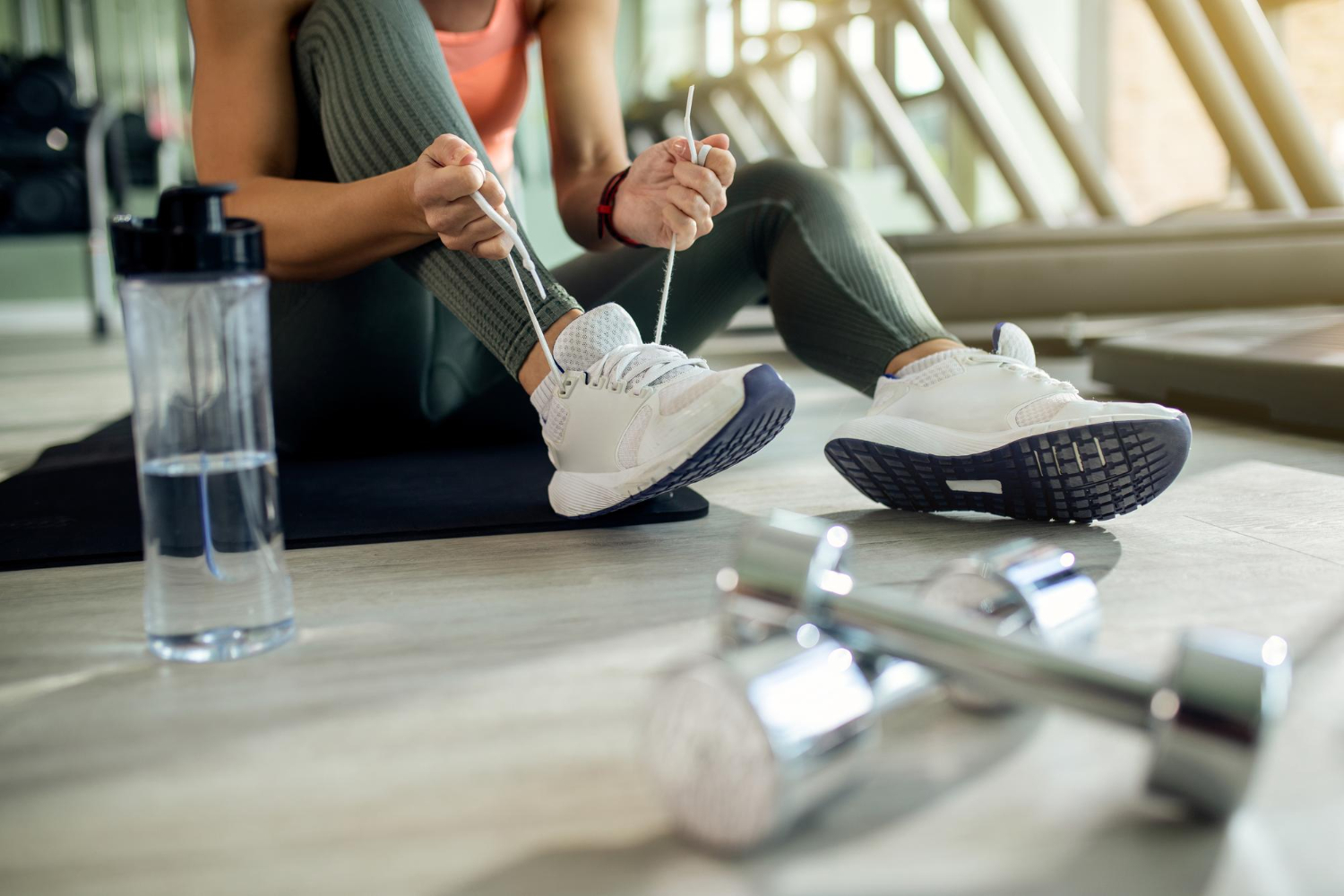

You started a GLP-1 medication and you want to move more. But maybe you feel tired. Or a little off. Or you're not sure where to start. That's completely normal. And you're not alone.
The good news: exercise and GLP-1 medications work well together. You just need to know what's safe and what actually helps.
Key Takeaways: Exercising on Weight Loss Medication
- Yes, you can exercise on a GLP-1. Movement may help improve your results.
- Strength training is often the most important type of exercise while on GLP-1s.
- Start slow if you feel tired or nauseous. Listen to your body.
- Protein and hydration matter more than ever when you're on a GLP-1.
Ready to start your GLP-1 journey with real support? See if you qualify.
[BIG CTA GRAPHIC/BUTTON HERE]
Should You Exercise on GLP-1?
Short answer: yes, and your licensed healthcare provider will almost certainly encourage it.
GLP-1 medications like compounded semaglutide and compounded tirzepatide help reduce appetite. But when you eat less, your body can lose both fat and muscle.
Exercise, especially strength training, helps you hold on to your muscle. That matters a lot for long-term results.
Research found that combining a GLP-1 medication with regular exercise improved body composition (the ratio of fat to muscle) more than medication alone.
Even light movement helps. You don't need to push hard.
When to Take It Easy
Some days will be harder than others. Nausea, fatigue, and low energy can be common, especially in the first few weeks of taking a GLP-1.
On those days, it's okay to do less.
Signs you should dial back your workout:
- You feel dizzy or lightheaded
- You haven't eaten much and feel weak
- Nausea gets worse when you move
- You feel exhausted, not just a little tired
On harder days, try a short walk, gentle stretching, or just some light movement. That still counts. Every bit helps.
If fatigue or nausea doesn't get better, talk to your licensed healthcare provider. They can help adjust your plan.
Strength Training: Why It Matters Most
Strength training is perhaps the most important type of exercise for GLP-1 users. Here's why: when you lose weight quickly, your body sometimes loses muscle along with fat. Strength training helps slow that down.
You don't need a gym. Bodyweight exercises work fine:
- Squats
- Push-ups (or wall push-ups if needed)
- Lunges
- Resistance bands
- Light dumbbells
Aim for 2 to 3 strength sessions per week. Even 20 minutes is enough to make a difference.
The American College of Sports Medicine recommends adults do muscle-strengthening activities at least 2 days a week. On GLP-1s, that guidance matters even more.
“I had a great experience with my clinician! She was patient, professional, caring, and knowledgeable about Get Thin! She gave me plenty of information on weight loss journey! She informed me on steps to take [for] eating and exercise as well. I'm going to enjoy my time with this group!” – Linda W., Get Thin MD Customer
Get GLP-1 support that includes a Care Coach and Registered Dietician. See how it works.
[BIG CTA GRAPHIC/BUTTON HERE]
Cardio: How Much Cardio Can I Do on GLP-1?
Cardio like walking, biking, or swimming is great for your heart and your overall health. But when you're on a GLP-1 and eating less, going too hard on cardio can backfire.
Too much cardio without enough protein can contribute to excess muscle loss.
A good starting point:
- 20 to 30 minutes of moderate cardio, 3 to 4 times a week
- Walking counts, especially after meals
- Focus on how you feel, not how many calories you burn
The goal right now isn't to exhaust yourself. It's to stay active, feel better, and protect your muscle.
What to Eat Before and After Exercise
Eating enough protein is one of the most important things you can do on a GLP-1.
GLP-1 medications reduce hunger. That's helpful for weight loss—but it means you might not feel like eating enough protein.
Not getting enough protein can speed up muscle loss, especially when you're exercising.
A few simple guidelines:
- Aim for 25 to 30 grams of protein per meal.
- Try to eat a small protein-rich snack before or after exercise.
- Good options: Greek yogurt, eggs, cottage cheese, protein shakes, chicken, or fish.
- Hydration matters too—drink water throughout the day, especially around workouts.
A 2023 review in Nutrients found that higher protein intake helped preserve lean muscle mass during calorie restriction. The same applies when you're on a GLP-1.
The Registered Dieticians accessible through Get Thin MD can help you figure out the right amount for your body and your goals.
Common Questions About Exercise on GLP-1
Q: Will exercising make the nausea worse?
It can, especially if you exercise right after eating. Try waiting 1 to 2 hours after a meal before working out.
Q: What if I have no energy?
Low energy is common early on. Start with just a 10-minute walk—that's enough. Build up slowly as you feel better.
Q: How do I know if I'm doing too much?
If you feel worse after exercise instead of better, scale back. Rest is part of the plan too.
Q: Do I need to exercise to get results on a GLP-1?
Not to see weight loss. But exercise—especially strength training—may help you get better results and maintain more muscle. Many patients find movement makes them feel much better overall. Results vary.
When to Talk to Your Licensed Healthcare Provider
Always check in with your licensed healthcare provider before making big changes to your exercise routine.
Especially talk to them if:
- You feel dizzy or faint during or after exercise
- Nausea or fatigue isn't improving after several weeks
- You have joint pain, heart conditions, or other health concerns
- You're not sure how much protein or calories you need
Your care team at Get Thin MD is here to help you figure it all out. You don't have to guess.
Good questions to bring up:
Ask: "Is my energy level normal for where I am in my dosing?"
Ask: "How much protein should I be getting each day?"
Ask: "What type of exercise is best for my health history?"
Ask: "Is it okay to push harder now that I've been on this medication for a while?"
Why Get Thin MD
Get Thin MD gives you more than a prescription. You get:
- A Care Coach who checks in on you from your very first order
- Access to Registered Dieticians who can help with protein, meal planning, and exercise goals
- A licensed healthcare provider who reviews your health history
- 24/7 support so you're never on your own
- Your price doesn't go up just because your dose does.
Over 60,000 people nationwide have trusted Get Thin MD with their care. See our Trustpilot reviews to hear what they say.
See if you qualify for compounded semaglutide or tirzepatide with real clinical support.
[BIG CTA GRAPHIC/BUTTON HERE]
The Bottom Line
Exercise and GLP-1 medications are a powerful combination. Start with what you can manage. Walk, stretch, lift a little. Add protein. Drink water. Ask your care team for help.
You don't have to do this perfectly. You just have to start.
Important Safety Information
Get Thin connects patients with licensed providers who may prescribe medication through state-licensed pharmacies. Prescription medication only available if prescribed after an online consultation, as applicable, with a healthcare provider. Physicians may prescribe compounded medications as needed to meet medical necessity or drug shortages. The FDA does not review or approve any compounded medications for safety or effectiveness. Results may vary. Please visit
https://www.getthinusa.com/important-safety-information for important safety information.