Constipation on GLP-1? 5 Simple Fixes That Work
.jpg)

You noticed the scale moving. That part felt good. But then things slowed down. A lot.
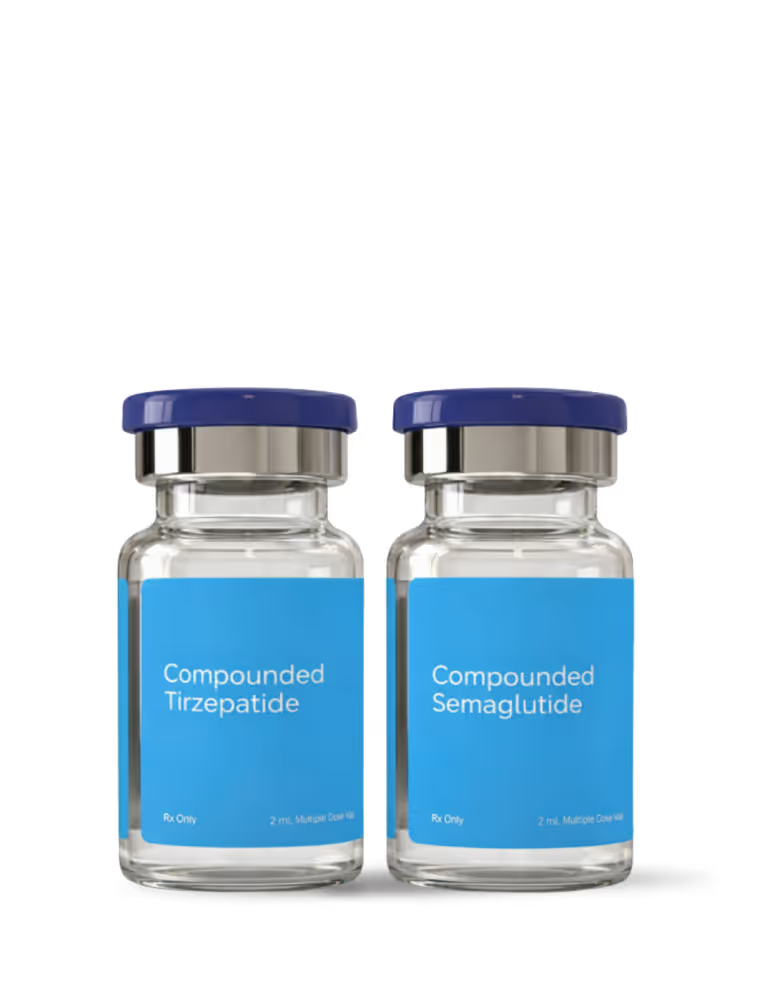
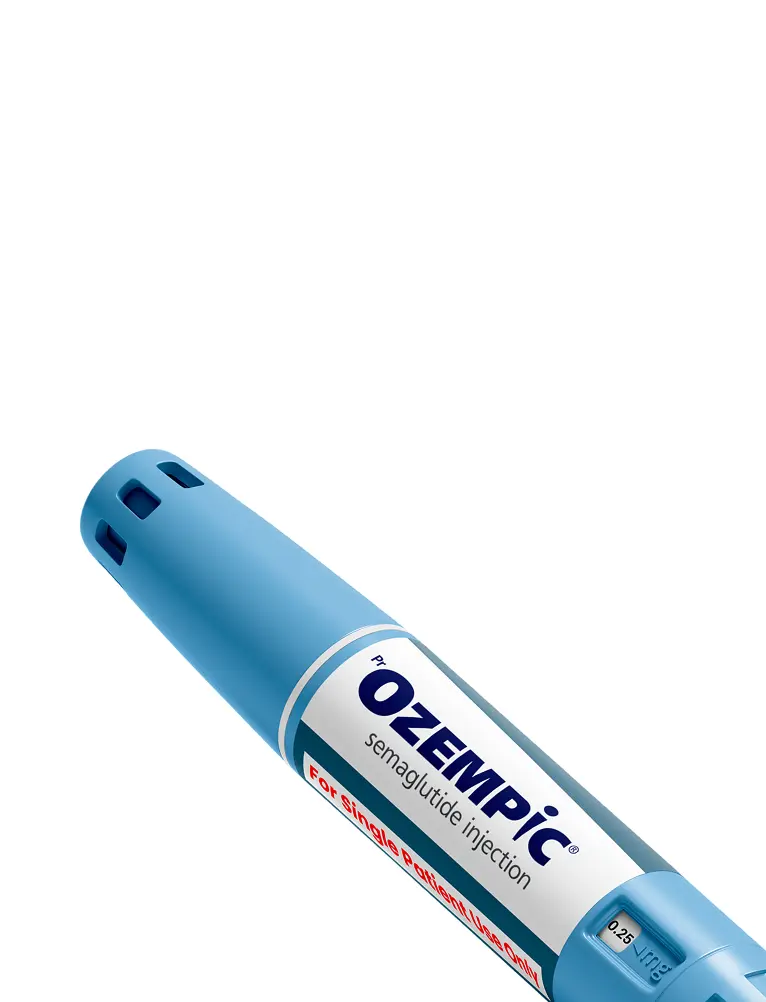
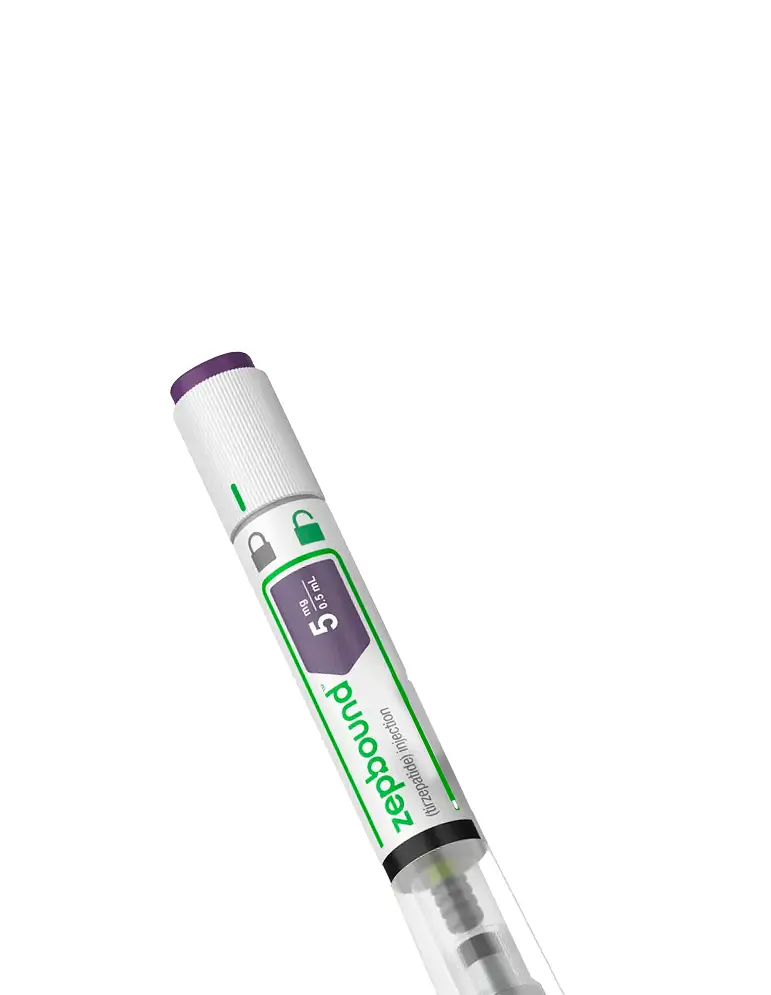
Constipation is one of the most common side effects people experience with GLP-1 medications like semaglutide and tirzepatide. Many people are not warned about it ahead of time. And when it happens, it can feel uncomfortable and confusing.
The good news: there are simple fixes. Most people find relief by making small changes to what they eat, drink, and do each day.
This post explains why it happens and what to do about constipation step by step.
Key Takeaways: What to Know About Constipation on GLP-1
- Constipation is one of the most common side effects of GLP-1 medications like semaglutide and tirzepatide.
- It happens because GLP-1s slow down digestion, which is one way they work.
- Most people can get relief with simple changes: more water, more fiber, and gentle movement.
- If it does not improve in a few days, reach out to your care team.
Struggling with side effects? Your care team is here to help.
[BIG CTA GRAPHIC/BUTTON HERE]
Why GLP-1s Can Lead To Constipation
GLP-1 medications work partly by slowing down digestion. This is actually a good thing for weight loss. It helps you feel full longer. But it also means food moves through your body more slowly than before.
When food moves slowly, your large intestine absorbs more water from it. That can make stool harder and more difficult to pass.
It is not a sign something is wrong. It is a known side effect, and it is manageable.
According to research, constipation affects a significant number of people who use semaglutide.
5 Simple Fixes for GLP-1 Constipation to Try First
Start here. These are often the initial steps care teams recommend.
1. Drink more water.
Many people on GLP-1s are not drinking enough water. Aim for at least 8 cups of water per day, or more if you are active or live somewhere warm.
Dehydration is one of the top causes of constipation. Water helps keep stool soft and easy to move.
2. Add more fiber slowly.
Fiber helps your gut move things along. But adding too much too fast can cause bloating and gas.
Start with one extra serving of a high-fiber food each day. Give your body a few days to adjust before adding more.
3. Move your body a little every day.
A short walk after meals can help wake up your digestive system.
Even 10 to 15 minutes of gentle movement can make a difference. You do not need to do anything intense.
4. Adjust your meal timing.
GLP-1s reduce appetite. That means many people eat less or even skip meals. But eating too little can slow digestion even more.
Try to eat at regular times each day, even if portions are small.
5. Ask about a stool softener.
Over-the-counter stool softeners can help in the short term. They tend to be gentle and non-habit-forming.
Talk to your licensed healthcare provider before starting any new supplement or medication, even one that seems minor.
How Much Fiber and Water Actually Help Ease Constipation?
The answer depends on your body and what you are eating now. Most adults need 25 to 38 grams of fiber per day. Many people get far less than that.
A simple goal: add 1 to 2 servings of high-fiber food per day and see how your body responds.
For water, the general guidance from the National Academies of Sciences is about 2.7 liters (91 oz) per day for women from all sources, including food.
If you are not hitting those numbers, start there before trying anything else.
Want personalized guidance on what to eat? Your Get Thin MD care team is ready.
[BIG CTA GRAPHIC/BUTTON HERE]
Foods That Get Things Moving
Some foods are especially good at easing constipation. Try adding more of these:
- Prunes and prune juice are well-studied for natural constipation relief.
- Cooked vegetables like broccoli, carrots, and zucchini are easier to digest than raw.
- Beans and lentils are high in fiber and easy to add to meals.
- Oats are a gentle source of soluble fiber.
- Pears, apples, and kiwi are all fruits with natural fiber and water content.
- Flaxseed—add 1 tablespoon to yogurt, smoothies, or oatmeal.
You do not have to eat all of these. Pick 1 or 2 and work them in gradually.
What Not to Do to Ease Constipation (Common Mistakes)
These mistakes can make constipation worse or create new problems.
- Do not ignore it. Waiting too long can make constipation harder to treat.
- Do not add a lot of fiber all at once. Too much too fast can cause bloating and discomfort.
- Do not skip water. Fiber without enough water can actually make constipation worse.
- Do not rely on stimulant laxatives long-term without talking to your licensed healthcare provider first. Some can cause dependency.
- Do not cut out all carbs or fat. Your gut tends to need some fat and fermentable fiber to function well.
What to Track So You Can Report Constipation Concerns Accurately to Your Healthcare Provider
If constipation does not improve, your care team will want to know a few things. Keep a simple log:
- How often you are going (or not going)
- What your stool looks like—hard, soft, difficult to pass
- How many glasses of water you drank that day
- What you ate
- Any other symptoms—bloating, nausea, cramping, or pain
This information helps your licensed healthcare provider figure out what is happening and what to try next.
When It's Time to Call Your Care Team
Constipation with GLP-1s often improves with simple changes. But there are times when you should reach out right away. Do not wait if you have:
- No bowel movement for 3 or more days
- Pain or cramping that feels sharp or new
- Bloating that is getting worse, not better
- Blood in your stool
- Nausea or vomiting along with constipation
- A feeling that something feels very off
Your care team is there to help—not just for dose questions. Get Thin MD customers have direct access to their care team by phone, chat, or scheduled appointment. If something does not feel right, reach out.
For a full list of possible side effects, visit our Important Safety Information page.
Questions to Ask Your Care Team
If constipation is affecting your day-to-day life, bring it up at your next visit. Here are some questions to get you started:
- Ask: "Is my constipation related to my dose? Should we adjust it?"
- Ask: "Is it safe for me to take a stool softener or fiber supplement?"
- Ask: "Are my protein or calorie levels too low? Could that be making it worse?"
- Ask: "How long should I try these changes before we look at other options?"
Why Get Thin MD
Side effects like constipation are one reason it matters to have access to a care team, not just a prescription.
Get Thin MD customers are paired with a Care Coach from day 1. They also get direct access to a Registered Dietician for comprehensive, affordable nutritional guidance.
No confusing portals. No waiting weeks for a response. Just real support.
And one more thing: your medication price does not automatically go up just because your dose does. Everything is included—care coaching, provider oversight, and support—for one clear price.
“Having previously been on Ozempic, I was given accurate information on the injections and dosage. The fact that the price never goes up and includes all I need each month to start losing the weight again was what got me to choose Get Thin MD over the other advertised weight loss companies.” – Rich J., Get Thin MD Customer
Ready to get support that actually helps? Start here.
[BIG CTA GRAPHIC/BUTTON HERE]
The Bottom Line
Constipation on GLP-1s is common. It is not a reason to stop your medication.
Start with the basics: water, fiber, movement, and regular meals. Many people feel better within a few days. If it does not improve or if something feels off, contact your care team. That is what they are there for.
Important Safety Information
Get Thin connects patients with licensed providers who may prescribe medication through state-licensed pharmacies. Prescription medication only available if prescribed after an online consultation, as applicable, with a healthcare provider. Physicians may prescribe compounded medications as needed to meet medical necessity or drug shortages. The FDA does not review or approve any compounded medications for safety or effectiveness. Results may vary. Please visit https://www.getthinusa.com/important-safety-information for important safety information.