Traveling with Ozempic®: Easy Tips for Traveling Stress-Free with Injectable Medication


You packed your bags. You checked your flight. Then it hit you: how do you travel with an injectable medication?
It's a fair question. Lots of people wonder the same thing, especially the first time.
Flying with Ozempic® is allowed. The rules are clear once you know them. And most of the prep takes less than 10 minutes.
This post covers what TSA actually says, how to keep your pen safe and cold, what to bring, and what to do if something goes wrong.
Key Takeaways: Injectable Medication is TSA-Friendly
- TSA allows injectable medications in carry-on bags. No special form is required.
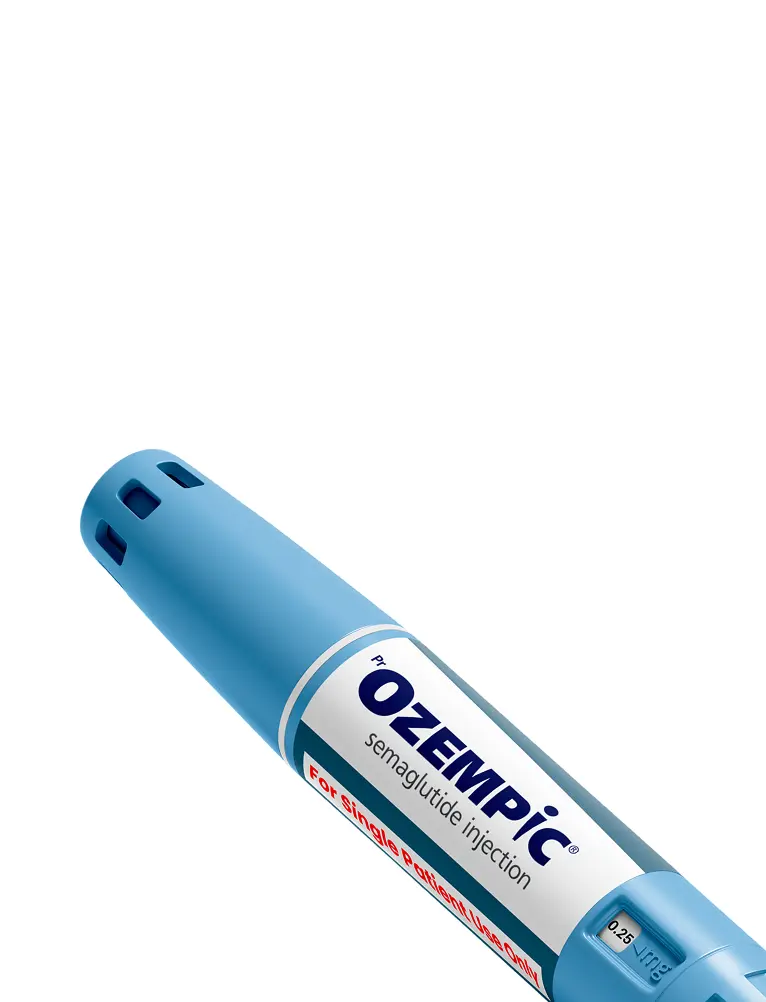
- Ozempic® pens can stay at room temperature (up to 86°F) for up to 56 days after first use.
- Always keep your medication in your carry-on, never in checked luggage.
- Bring at least 1 extra dose per week of travel in case of delays.
- A note from your licensed healthcare provider may help at international checkpoints.
Ready to start your weight loss journey? Take the first step today.
[BIG CTA GRAPHIC/BUTTON HERE]
Can You Fly with Ozempic®?
Yes, you can. The TSA allows injectable medications on planes.
You do not need a special permit. You do not need to fill out a form ahead of time.
According to the TSA's guidelines for traveling with medications, liquids and gels that are medically necessary—including injectable drugs—are exempt from the standard 3.4 oz liquid rule.
That means your pen, your needles, and any alcohol swabs can all travel with you in your carry-on.
Ask: "Do I need a doctor's note to fly with Ozempic®?"
Ask: "Can I bring my medication through security?"
Ask: "What if the TSA asks about my pen?"
For domestic US flights, no note is required. But having one is smart, especially for international trips or if you are carrying multiple pens.
If the TSA asks, just say: "I have a prescription injectable medication." That is usually enough. You may be asked to remove it from your bag for a visual check. That is routine.
What TSA Actually Says About Injectable Medications
TSA classifies Ozempic® as a medically necessary liquid. That means it is not limited by the 3.4 oz rule.
Here is what to do at the security checkpoint:
- Tell the TSA officer you have an injectable medication before the bag goes through the scanner.
- Keep your pen in its original packaging if possible. This makes it easier to identify.
- You may be asked to remove it from your bag. That is normal, not a red flag.
- You do not need to declare it on a written form. A verbal heads-up is all that is needed.
- Needles are allowed, but they must be capped. Uncapped needles are not permitted.
Some people worry about the X-ray machine affecting their medication. The FDA guidance on traveling with prescription drugs notes that standard airport security X-rays do not damage medications.
You can still request a hand inspection if you prefer. Just ask the TSA officer before your bag goes through.
How to Keep Ozempic® Cold at the Airport and on the Plane
Storage is the part most people worry about. Here is the good news:
- An unopened Ozempic® pen should be refrigerated at 36°F–46°F until the expiration date.
- After first use, it can stay at room temperature (59°F–86°F) for up to 56 days.
You do not need a full cooler. But you do need to protect your pen from heat spikes and freezing.
Practical options for keeping your pen safe in transit:
- A small insulated medication travel case works well for most flights. These cost $10–20 and are easy to find online or at pharmacies.
- A soft-sided lunch bag with a small gel ice pack is a good backup option.
- Never put your pen directly on ice or let it freeze. Freezing can break down the medication and make it unsafe to use.
- For flights under 4–5 hours where the pen is already at room temperature, insulation alone is usually enough—no ice needed.
- For longer flights or hot climates, a dedicated medication cooling wallet (similar to those used for insulin) gives the best protection.
At the hotel, store your pen in the minibar fridge or ask the front desk about refrigerator access. Most hotels can accommodate this request.
Should You Bring Extra Doses?
Yes, always bring more than you think you'll need.
Delays happen. Bags get lost or held up. Refilling a prescription is harder when you are far from home.
A few practical tips:
- Bring at least 1 extra dose for every week of travel.
- If your trip is longer than 2 weeks, talk to your licensed healthcare provider about getting a larger supply ahead of time.
- If your trip crosses multiple time zones, ask your provider when to take your dose. Timing shifts can affect how you feel.
- Do not ship medication to your hotel ahead of time unless you have confirmed cold-chain delivery. Standard shipping does not guarantee proper temperature control.
Results vary for every person on GLP-1 medication. Missing a dose or shifting injection timing may affect your appetite or energy levels. When in doubt, ask your licensed healthcare provider before you leave.
What Documentation May Help
For domestic travel in the US, no paperwork is required. But a short letter from your licensed healthcare provider makes things easier, especially if you are:
- Traveling internationally
- Carrying more than 1 pen
- Going through customs in countries with strict drug import rules
What to ask your provider to include in the letter:
- Your full name
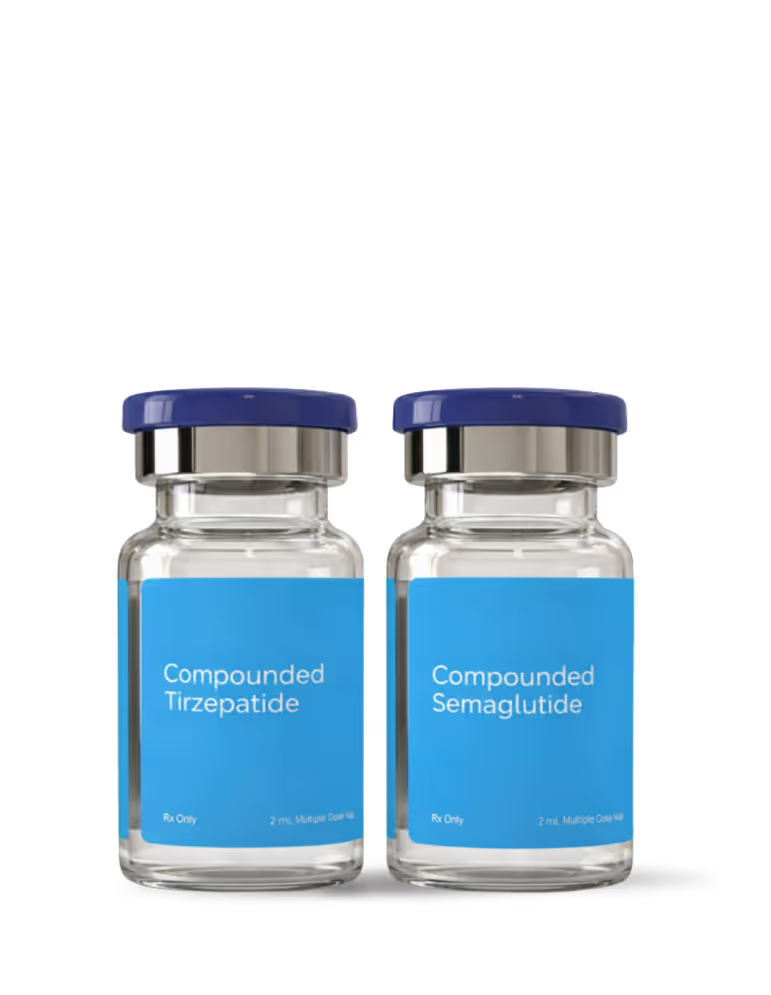
- The medication name (semaglutide / Ozempic®)
- That it is prescribed and medically necessary
- Storage instructions (refrigerated or room temperature)
- Your provider's name, contact, and signature
For international trips, check each country's rules on bringing prescription drugs across the border. Some countries require a notarized copy. Others limit the quantity you can carry.
The U.S. Customs and Border Protection guide on prohibited and restricted items is a helpful starting point for US travelers heading abroad.
Ask: "What if I'm traveling internationally?"
Ask: "Do I need a prescription label on the pen?"
Ask: "What do I say if a customs officer asks about my medication?"
Keep the original prescription label visible on the packaging or attached to your travel case. If a customs officer asks, explain that it is a prescription injectable and show your documentation.
Have questions before your trip? Our care team is here to help.
[BIG CTA GRAPHIC/BUTTON HERE]
What to Do If Something Goes Wrong
Most trips go smoothly. But it helps to know your options before you leave.
If your medication is lost or damaged:
- Contact your Get Thin MD care team as soon as possible. They can help figure out next steps.
- If you are in the US, a licensed healthcare provider may be able to send a replacement. Contact them right away.
- If you are abroad, contact your travel insurance provider. Many plans cover emergency prescription replacement.
If your pen was accidentally frozen:
- Do not use it.
- Frozen Ozempic® may look the same but may no longer work correctly.
- Reach out to your licensed healthcare provider before injecting.
If you miss a dose while traveling:
- Take it as soon as you remember (if your next scheduled dose is still more than 2 days away).
- If it is almost time for your next dose, skip the missed one. Do not double up.
- When in doubt, contact your licensed healthcare provider.
Eating and Side Effects While Traveling
Travel changes your routine. That can affect how you feel on your medication.
Airports and planes are not known for great food. But what you eat and drink still matters.
Tips that may help:
- Stay hydrated. Airplane cabins are dry. Dehydration can make nausea worse.
- Eat smaller meals. Ozempic® reduces appetite. Large meals in flight can cause discomfort.
- Choose protein-rich snacks over starchy or sugary airport food. Protein can help you feel full longer.
- Skip alcohol if possible. It can interact with nausea and dehydration on GLP-1 medications.
- Move around when you can. Sitting for long hours can worsen constipation, which is a common side effect.
Many people report GLP-1 side effects like nausea, fatigue, or constipation are more noticeable when routines are disrupted.
Always review important safety information on side effects and how to manage symptoms.
Packing Tips That Reduce Stress
Always pack Ozempic® in your carry-on, never in checked luggage.
Checked bags can get lost. They can also sit in extreme heat or cold in the cargo hold, which is not temperature controlled.
Use this simple packing checklist:
- Put your pen and supplies in a clear zip bag in your carry-on.
- Keep needles capped and in their original case.
- Add a small insulated pouch if your flight is longer than 5 hours.
- Bring alcohol swabs, extra needles, and a small sharps container for used needles.
- Carry a printed or digital copy of your prescription.
- Pack your documentation letter if traveling internationally.
- Tell a travel companion where your medication is, just in case.
The CDC's guide to traveling with medications also has helpful tips for crossing time zones and storing medications in different climates.
When to Talk to Your Licensed Healthcare Provider
Talk to your licensed healthcare provider before your trip if:
- You will be in a very hot or cold climate.
- Your trip crosses multiple time zones and you are unsure about dose timing.
- You have had recent side effects and are not sure how travel may affect them.
- You need to request a larger supply for a long trip.
- You are traveling to a country with strict prescription drug rules.
For side effect guidance, see the Important Safety Information page.
Why Choose Get Thin MD
Get Thin MD connects you with a real care team that includes Care Coaches and Registered Dieticians.
You have access to that team before, during, and after your trip.
Have a question about dose timing while you're away? Not sure what to do if your pen gets too warm? Your care team is reachable 24/7.
Get Thin MD also keeps pricing simple. There are no surprise price increases and the price won’t go up just because your dose does.
Start your journey with a care team that's with you every step of the way.
[BIG CTA GRAPHIC/BUTTON HERE]
The Bottom Line
Flying with Ozempic® is manageable once you know the rules.
Pack it in your carry-on. Keep it cool but not frozen. Bring extra doses. If you're crossing borders, bring documentation. If something goes wrong, contact your care team right away.
You put in the work to get here. A little prep means your trip—and your health routine—stays on track.
Important Safety Information
Get Thin connects customers with licensed providers who may prescribe medication through licensed pharmacies. Prescription medication only available if prescribed after an online consultation, as applicable, with a healthcare provider. Physicians may prescribe compounded medications as needed to meet medical necessity or drug shortages. The FDA does not review or approve any compounded medications for safety or effectiveness. Results may vary. Please visit https://www.getthinusa.com/important-safety-information for important safety information.