How to Get Enough Protein When You're Not Very Hungry

You used to think about lunch by 10 a.m. Now you barely remember to eat.
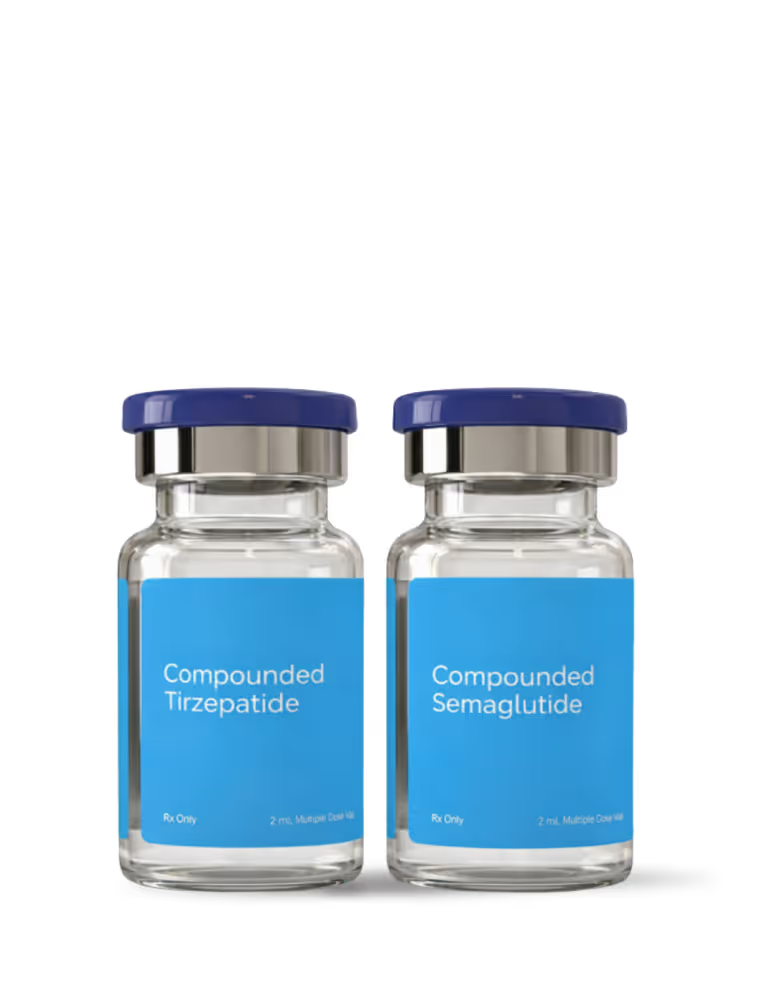
Reduced appetite is common after starting a GLP-1 medication like compounded semaglutide. The appetite that used to drive your day just quiets down. For many people, that feels like a relief.
But there is a catch. When you eat less, you often eat less protein. Protein is a nutrient your body may need more of, not less, when you are actively losing weight. This post walks you through why protein matters so much right now, how much protein is recommended, and easy ways to get there even when your appetite is small.
Key Takeaways: How to Hit Your Protein Goals on GLP-1 Medication
- When appetite drops on a GLP-1 medication, protein intake often drops too—sometimes to levels that risk muscle loss.
- Not getting enough protein during weight loss may lead to muscle loss, not just fat loss.
- Aim for at least 20 to 30 grams of protein per meal to support muscle repair.
- Small, protein-dense foods are often tolerated better on a limited appetite than large, balanced plates are.
- Protein shakes and smoothies are an effective way to help meet your daily goal.
Ready for a weight loss plan built around your needs?
[BIG CTA GRAPHIC/BUTTON HERE]
Why Protein Can Matter Even More When You Are Losing Weight
Here is what many people do not realize: when your body loses weight, it does not just burn fat. It can also break down muscle, especially if you are not eating enough protein.
This becomes more important as you get older. After menopause, women are significantly more likely to lose muscle mass during a period of weight loss. That muscle is valuable. It supports your metabolism, your strength, and your energy levels long after the weight is gone.
A 2026 analysis found that people using GLP-1 medications were getting an average of only 0.6 grams of protein per kilogram of body weight per day, described by researchers as “critically low.” Getting enough protein is one way to help protect your muscle while the weight comes off.
How Much Protein Should You Be Getting on GLP-1s?
The standard recommendation for most adults is about 0.8 grams of protein per kilogram of body weight per day. But for people using a GLP-1 medication and actively losing weight, many licensed healthcare providers and nutrition guidelines may suggest more.
For people in active weight loss on a GLP-1 medication, a common target is 1.2 to 1.6 grams of protein per kilogram of body weight per day. Your licensed healthcare provider or Registered Dietitian may give you a goal specific to your health history.
In practical terms:
- If you weigh 150 pounds (68 kg): aim for roughly 80 to 110 grams of protein per day
- If you weigh 180 pounds (82 kg): aim for roughly 100 to 130 grams per day
- If you weigh 220 pounds (100 kg): aim for roughly 120 to 160 grams per day
That may sound like a lot. You may want to spread it out across the day.
Research consistently shows that your body can use about 20 to 30 grams of protein at one time to build and repair muscle. Eating 80 grams at dinner may not be as beneficial as spreading those 80 grams across 3 to 4 small meals.
The Protein-First Rule: One Habit That Helps Hit Goals
Here’s one effective strategy: eat protein before anything else at every meal.
When appetite is limited, the last thing you want is to fill up on bread, rice, or side dishes and have no room left for protein. If you eat protein first, even just a few bites, you get the important nutrient while you still feel like eating.
This strategy helps because:
- Protein takes longer to digest, so even a small amount satisfies longer than the same calories from carbs.
- A small serving of protein like 2 to 3 ounces of chicken, half a cup of Greek yogurt, or 2 eggs, can deliver 15 to 25 grams.
- You can stop eating when you are full without missing such an important part of the meal.
Think of it this way: protein should be your first priority on the plate.
High-Protein Foods To Eat When You Are Not Very Hungry
The goal is protein density—lots of protein per bite, without a lot of volume. These are just some of your best options when appetite is low:
Here’s an easy strategy to follow: choose 2 or 3 of these foods per meal. You don’t need a large plate, just a small plate with the right things on it.
Do Protein Shakes Count? Yes, Here Is How to Use Them
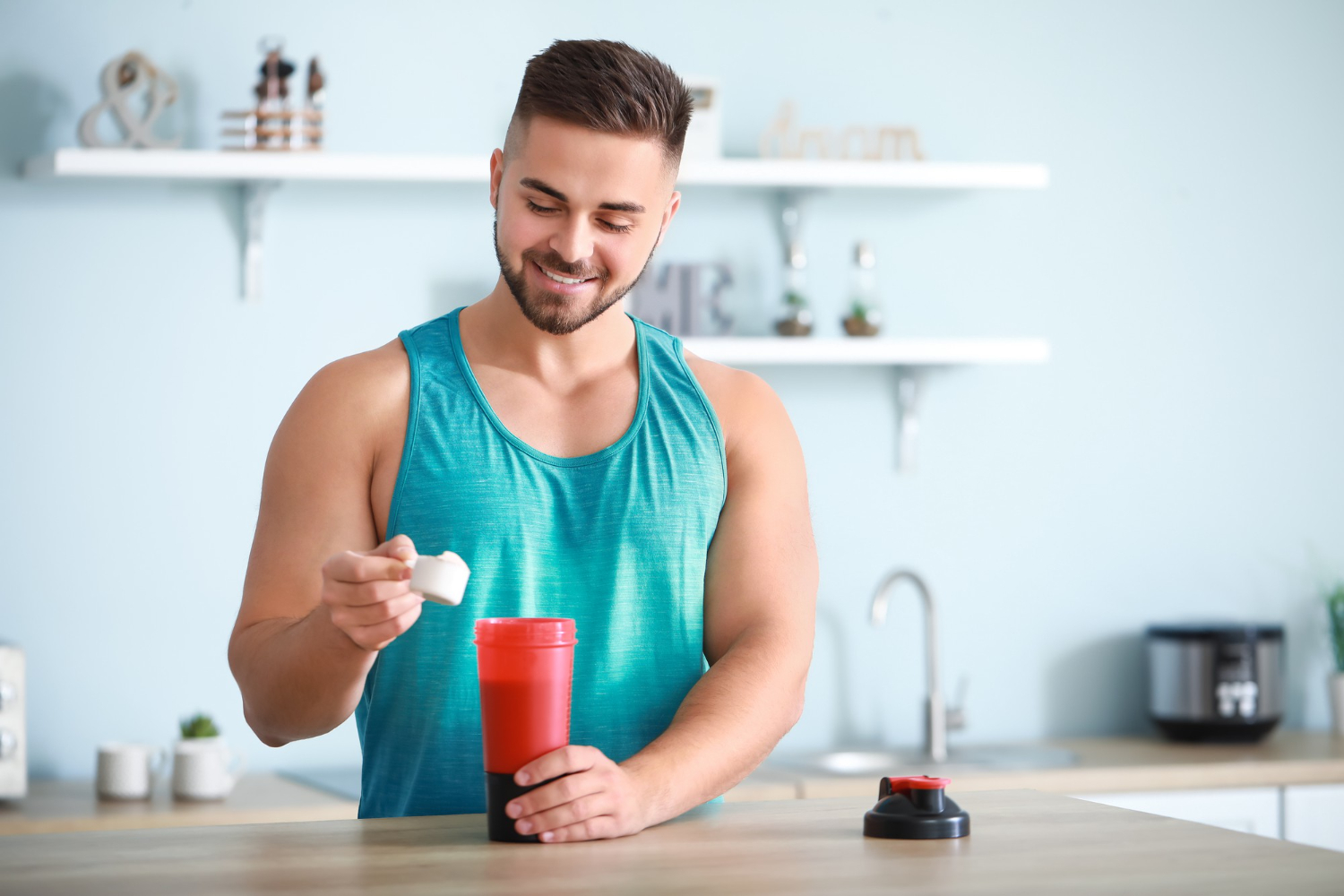
People often wonder if protein shakes are a good option or just for gym-goers. The truth is, protein shakes can be a great way to help meet your protein goals.
They are especially useful when appetite is suppressed because drinking is often easier than eating when you feel full or nauseous. A single shake can deliver 20 or more grams of protein in one glass.
Protein shakes are often well-tolerated on GLP-1 medications including compounded semaglutide and compounded tirzepatide. If you have specific health concerns, ask your licensed healthcare provider or a Registered Dietitian.
What makes a healthy protein shake:
- Protein-rich: Many adults choose to aim for 20 grams or so of protein per serving.
- Minimal added sugar (check the label before buying).
- Whey protein is often considered the most complete and well-absorbed option.
- Pea protein is a solid choice if you prefer plant-based or are sensitive to dairy.
Here’s a simple recipe for a high-protein smoothie:
- 1 cup unsweetened almond milk or regular milk
- 1 scoop protein powder (whey or pea)
- ½ cup frozen berries
- 2 tablespoons plain Greek yogurt
- Blend for 30 seconds
That is roughly 25 to 30 grams of protein in under 5 minutes, with no cooking and no big appetite required.
With Get Thin MD, you get access to Registered Dietitians who can help build a protein plan around your appetite.
[BIG CTA GRAPHIC/BUTTON HERE]
Spreading Protein Through the Day: A Sample Plan
The key is to stop thinking in 3 large meals and start thinking in 5 or 6 small protein moments throughout the day. Here is an example of how that can look:
None of those meals are large or require major cooking. But together, they add up to a meaningful daily total.
Another recommended strategy is the “30-gram morning” rule—aiming for 30 grams of protein within the first meal of the day. Early protein intake may support muscle protein synthesis and help regulate appetite through the morning. If you need some ideas, here are 20 easy, high-protein breakfast ideas.
What Happens When Protein Intake Stays Too Low
When the body does not get enough protein during weight loss:
- Muscle loss can increase. The scale may go down, but some of what you lose may not be fat.
- Metabolism can slow. Muscle is one of the main drivers of your resting metabolic rate.
- Energy and strength may drop. Protein supports immune function, energy, and recovery.
- Hair shedding may worsen. Hair loss is a possible side effect of rapid weight loss. Low protein can potentially accelerate it.
A review of protein intake and body composition during GLP-1 treatment found that higher protein intake was associated with better preservation of lean body mass during weight loss.
How to Get Protein on Days When Eating Feels Impossible
Some days, even a small meal feels like too much. Here is a practical toolkit for those days:
- Drink your protein. A shake or smoothie can be easier than solid food when nausea or fullness is present.
- Try cold foods. Cold options like yogurt, cottage cheese, and smoothies may be better tolerated than hot foods when you are not feeling well.
- Eat small and often. Try for 5 to 6 smaller, protein-rich meals through the day instead of waiting for 3 larger meals.
- Set a timer. When appetite signals are suppressed, a timer is more reliable than hunger. Try eating something every 3 to 4 hours.
- Keep options visible and ready. A boiled egg in the fridge, string cheese on the counter, protein shake ingredients already measured out all help to reduce effort and friction..
- Broth and soups can count. A protein-rich broth or soup is hydrating and often easier to get down than solid food. Add shredded chicken or an egg for a protein boost.
Many people find that small protein habits become easier to maintain after the first few weeks on a GLP-1 medication as the body adjusts.
Protein and Hydration: Do Not Forget Water
Higher protein intake calls for more water. This is especially important for people using compounded semaglutide or compounded tirzepatide, because dehydration is a common concern when appetite and thirst are both suppressed.
- Many adults aim for at least 64 ounces (8 glasses) of water per day, but your needs may differ.
- Sip throughout the day.
- Count the liquid in your protein shake toward your daily fluid total.
- Broths and soups can count and may add protein at the same time.
Staying hydrated supports digestion, energy, and how well your body may use the protein you eat.
Protein Density Analysis: Getting the Most from Every Bite
We cross-referenced protein content and calorie density across 10 common foods recommended for people with low appetite on GLP-1 medications, using USDA FoodData Central data.
For people with a suppressed appetite, the 4 highest-protein-per-calorie foods are canned tuna, whey protein powder, rotisserie chicken, and smoked salmon. These 4 items combined can deliver 80 to 90 grams of protein with fewer than 500 total calories.
When This Approach May Not Be Right for You
This guide is for adults using a GLP-1 medication and are experiencing reduced appetite. It may not be the right fit if:
- You have kidney disease. Higher protein intake may increase kidney workload. Always get medical clearance from your licensed healthcare provider before increasing protein if you have kidney concerns.
- You have severe or persistent nausea or vomiting. If you cannot keep food or liquid down for more than a day or two, reach out to your licensed healthcare provider.
- You are vegetarian or vegan with multiple food restrictions. Reaching 100+ grams of plant-based protein on a small appetite can be more difficult and may need a personalized plan from a Registered Dietitian.
- You are not on a GLP-1 medication. These strategies are calibrated for appetite suppression caused by medication. A different approach may serve you better if your low appetite has another cause.
If any of these apply, reach out to your care team for guidance specific to your situation.
Why Get Thin MD
At Get Thin MD, you don’t have to figure out protein and nutrition alone.
If you are eligible for compounded semaglutide or compounded tirzepatide through Get Thin MD, you get access to 3 layers of support:
- A licensed healthcare provider who reviews your medical history and determines whether treatment is appropriate.
- Unlimited Care Coaching sessions for ongoing accountability throughout your program.
- Affordable access to Registered Dietitians to help you build a protein strategy tailored to your appetite, your preferences, and your goals
Many people using Get Thin MD report that having a Registered Dietitian available makes a meaningful difference, especially in the first few months when new habits are still forming. Results vary.
“I met my weight loss goal through micro dosing. The dietician consults were a big part of achieving this and will help me stay on track. Also having a coach available is a huge plus. I also did a physician consult related to possible side effects. Get Thin stood out as a holistic program and I am SO glad I signed up!” – B., Get Thin MD Customer
When to Talk to a Licensed Healthcare Provider
Reach out to your licensed healthcare provider if:
- You have kidney disease or a history of kidney problems before increasing protein.
- You are experiencing persistent nausea, vomiting, or inability to eat for more than a day or two.
- You feel weak, dizzy, or unusually fatigued.
- You are concerned you may be losing muscle rather than fat.
- You are unsure what a safe protein target looks like for your specific situation.
Ask: "Am I getting enough protein given my current weight and medication dose?"
Ask: "Is there a specific protein target I should aim for right now?"
Ask: "Are there any protein sources I should avoid given my health history?"
Ask: "Could my fatigue or hair shedding be related to low protein intake?"
A licensed healthcare provider will review your medical history and determine whether treatment is appropriate. If prescribed, you will receive clear instructions and ongoing support from our care team. For full safety details, see the Important Safety Information.
See if compounded GLP-1 treatment with Get Thin MD is right for you.
[BIG CTA GRAPHIC/BUTTON HERE]
Frequently Asked Questions About Protein and GLP-1 Treatment
How do I get enough protein if I'm not hungry?
Focus on protein-dense foods you can eat in small portions: Greek yogurt, cottage cheese, rotisserie chicken, eggs, and protein shakes. Try to eat protein before anything else at each meal. Spread small amounts across 5 to 6 mini-meals instead of waiting for hunger to drive you to eat. Many people find a protein shake easier than solid food on low-appetite days.
Are protein shakes OK on a GLP-1 medication?
Yes. Protein shakes can be a practical and well-tolerated option for many people using GLP-1 medications. Look for at least 20 grams of protein per serving with minimal added sugar. Whey and pea protein are both solid choices. If you have specific health concerns, consult a licensed healthcare provider or Registered Dietitian.
What happens if you don't eat enough protein while on a GLP-1 medication?
Without enough protein, your body may break down muscle tissue during weight loss. This can slow your metabolism, reduce your strength, and make it harder to maintain your results over time. Many people also notice worsening hair shedding when protein intake is persistently low. Getting enough protein is one of the many things you can do to help protect your long-term results.
What is the 30-gram morning protein rule?
The '30-gram morning rule' means aiming for 30 grams of protein at your first meal of the day. Early protein intake may support muscle protein synthesis and help regulate appetite through the morning. Two scrambled eggs with Greek yogurt or cottage cheese gets you to roughly 25 to 30 grams with minimal prep.
The Bottom Line
Reduced appetite is a common part of using a GLP-1 medication, but protein intake is still important. You do not need large meals. Instead, you may choose to be strategic about small ones. Eat protein first. Choose dense sources. Spread it across the day.
Important Safety Information
Get Thin connects customers with licensed providers who may prescribe medication through state-licensed pharmacies. Prescription medication only available if prescribed after an online consultation, as applicable, with a healthcare provider. Physicians may prescribe compounded medications as needed to meet medical necessity or drug shortages. The FDA does not review or approve any compounded medications for safety or effectiveness. Results may vary. Please see the Important Safety Information.