Thirst Can Feel Like Hunger: How to Tell the Difference


You reach for a snack. But are you actually hungry? Sometimes your body sends a mixed signal. You feel a pull toward food, but what you might really need is water.
This mix-up is more common than most people realize, and if you're on a GLP-1 medication, it's worth understanding. Here's what's happening in your body and how to tell the difference between hunger and thirst.
Key Takeaways: Why Dehydration Feels Like Hunger
- Hunger and thirst cues can overlap.
- Dehydration can cause cravings, especially for sweet or salty foods.
- A simple glass of water may help tell whether you were thirsty.
- People on GLP-1 medications should pay close attention to hydration.
Ready to start your weight loss journey with unlimited support? Take the quiz today.
[BIG CTA GRAPHIC/BUTTON HERE]
Why Hunger and Thirst Get Confused
Your brain gets signals from your body all day long. Hunger. Thirst. Temperature. Stress. The problem? The same part of your brain helps regulate hunger and thirst. It's called the hypothalamus.
When signals get crossed, thirst can feel a lot like hunger. Especially when you're even mildly dehydrated.
This is normal. It doesn't mean something is wrong, but it does mean you might eat when your body just needs a drink.
The Science Behind the Mix-Up
Mild dehydration, even just 1-2% of your body weight in water lost, can change how you feel. Studies show it may cause fatigue, low mood, and cravings.
One reason: your body stores water in muscle cells. When cells lose water, your body may signal a need for energy, which can read as hunger.
There's also a link between dehydration and blood sugar fluctuations. Research suggests hydration plays a role in glucose regulation.
Bottom line: your body isn't trying to trick you. It's just doing its best to get what it needs.
Quick Checklist: Hunger vs. Thirst Signals
Try this 1-step test. Before you eat, drink a full glass of water. Wait 10-15 minutes. If the urge to eat fades, it may have been thirst. If you still feel hungry, it may be actual hunger.
This isn't a perfect science, but it's a simple tool that many people find useful.
- Thirst = dry mouth, feeling foggy, mild headache, dark urine
- Hunger = stomach growling, low energy, feeling irritable, can't focus
- Both = cravings, wanting a snack, feeling “off”
When you're not sure, start with water.
How Dehydration Shows Up as Cravings
Dehydration doesn't always feel like "I'm thirsty." It can feel like:
- A craving for something sweet or salty.
- A need to snack even after a meal.
- Feeling tired and wanting a pick-me-up.
- Reaching for coffee or soda instead of water.
These are common feelings, especially in the afternoon when dehydration can become more noticeable.
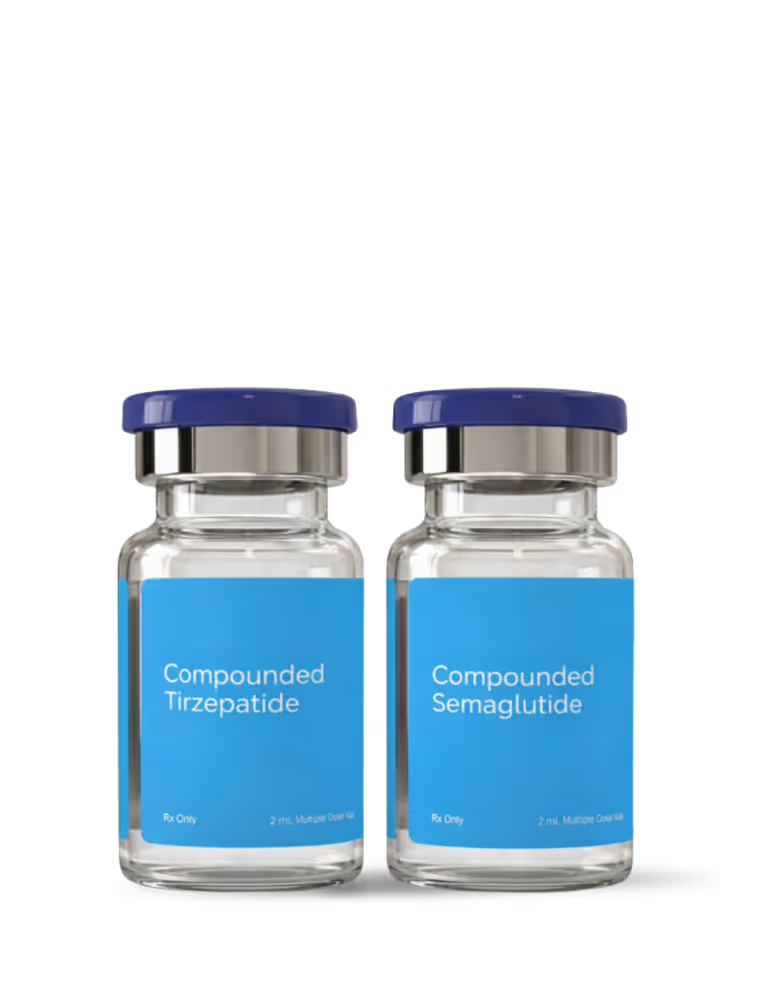
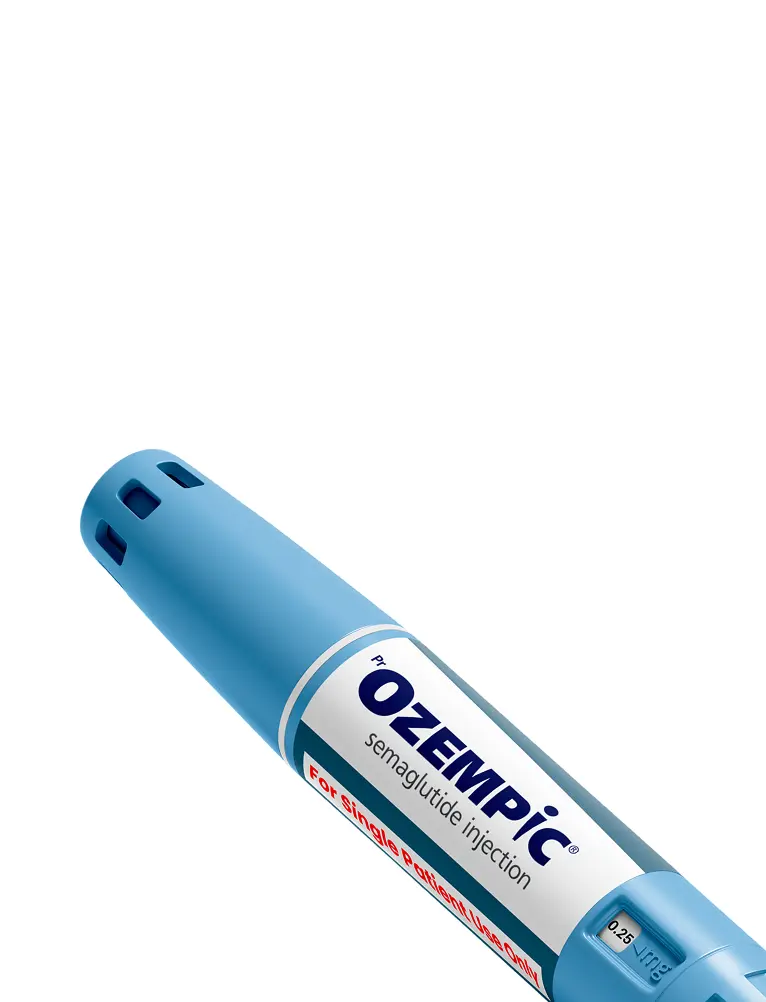
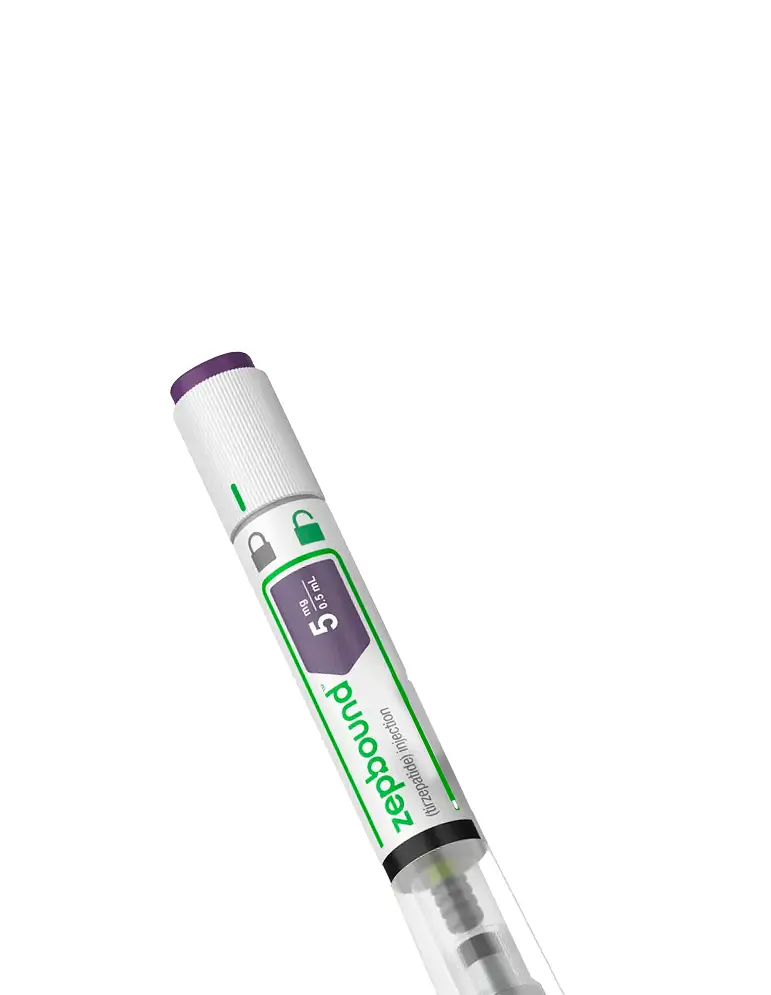
Dehydration is often linked to increased appetite and cravings for high-calorie foods. For women on GLP-1 medications, this matters even more. GLP-1s can reduce your appetite, so hunger signals may already feel different. Staying hydrated helps your body and your medication work better together.
Want a weight loss plan that includes real guidance, not just a prescription? See how Get Thin MD works.
[BIG CTA GRAPHIC/BUTTON HERE]
How Much Water Is Actually Enough?
The "8 glasses a day" rule is a good starting point. But your actual needs depend on your body, activity level, and climate.
A simple guide:
- Most adults need about 8-10 cups (64-80 oz) of water per day.
- If you exercise or sweat a lot, aim for more.
- If you drink coffee or alcohol, add extra water to offset.
- Eating water-rich foods (like cucumbers, melon, or broth) counts too.
A quick check: look at your urine color. Pale yellow = well hydrated. Dark yellow or amber = drink more.
5 Simple Hydration Habits That Stick
You don't need a complicated plan. Small, consistent habits can make a big difference. Try these easy steps:
- Start your morning with a full glass of water before coffee or food.
- Keep a water bottle with you during the day.
- Drink a glass of water 20-30 minutes before meals.
- Set a phone reminder in the afternoon (that's when many people forget).
- Flavor your water with lemon, cucumber, or mint if plain water feels boring.
These small habits add up. For people on GLP-1 medications, drinking water before meals may also help you feel full faster.
Hydration and GLP-1 Medications: What to Know
GLP-1 medications can cause nausea, especially in the first few weeks. Staying hydrated may help ease that discomfort.
Some things to keep in mind:
- Sip water slowly if you feel nausea; don't gulp large amounts.
- Avoid sugary drinks and sports drinks with high sodium or sugar.
- If you're vomiting or unable to keep fluids down, contact your licensed healthcare provider.
For more details on side effects, visit the Get Thin MD Important Safety Information page.
When to Talk to Your Licensed Healthcare Provider
Hydration is often something people can manage on their own, but reach out to your licensed healthcare provider if:
- You feel dizzy, confused, or have a rapid heartbeat. These can be signs of serious dehydration.
- You're having ongoing nausea, vomiting, or diarrhea on your GLP-1 medication.
- Your thirst feels extreme and isn't going away.
- You notice major changes in how hungry or thirsty you feel after a dose change.
Your Get Thin MD care team is here to help. You can reach out through your patient portal or visit the safety information page for guidance.
Results may vary. Your licensed healthcare provider will help you find what works for your specific situation.
Questions about hydration, side effects, or your plan? Get Thin MD's care team is here for you.
[BIG CTA GRAPHIC/BUTTON HERE]
The Bottom Line
Hunger and thirst can feel almost the same. Your brain sometimes gets the signals mixed up. The simple fix: drink a glass of water and wait 10 to 15 minutes.
Build small hydration habits into your day, especially if you're on a GLP-1 medication. It may help you feel better.
And if you ever feel uncertain about a symptom, your licensed healthcare provider is just a message away.
Important Safety Information
Get Thin connects customers with licensed providers who may prescribe medication through state-licensed pharmacies. Prescription medication only available if prescribed after an online consultation, as applicable, with a healthcare provider. Physicians may prescribe compounded medications as needed to meet medical necessity or drug shortages. The FDA does not review or approve any compounded medications for safety or effectiveness. Results may vary. Please visit https://www.getthinusa.com/important-safety-information for important safety information.