5 Signs Your Weight Loss Has Stalled (And What to Do)
.jpg)

You were losing weight. Then it stopped.
This can feel scary or really frustrating. You may wonder if the medication stopped working or if something is wrong.
Here's the truth: weight loss plateaus are common on GLP-1 medications. They don't mean you failed. They don't mean the medication isn't working at all. But they do mean something has changed. And there are steps you can take.
This post covers 5 signs your progress has stalled and what may help each one.
Key Takeaways: What's Causing Stalled Weight Loss
- A plateau is when weight stays the same for 3 or more weeks without a clear reason.
- Common causes include eating habits, sleep, stress, and muscle loss.
- Small changes to protein, sleep, and movement may help restart progress.
- If you're concerned, talk to your licensed healthcare provider. Results vary.
Ready to get the support you need? Start here.
[BIG CTA GRAPHIC/BUTTON HERE]
Sign 1: The Scale Hasn't Moved in 3+ Weeks
This is the classic plateau sign.
A week without change? Normal. 3 or more weeks without change? That's worth paying attention to.
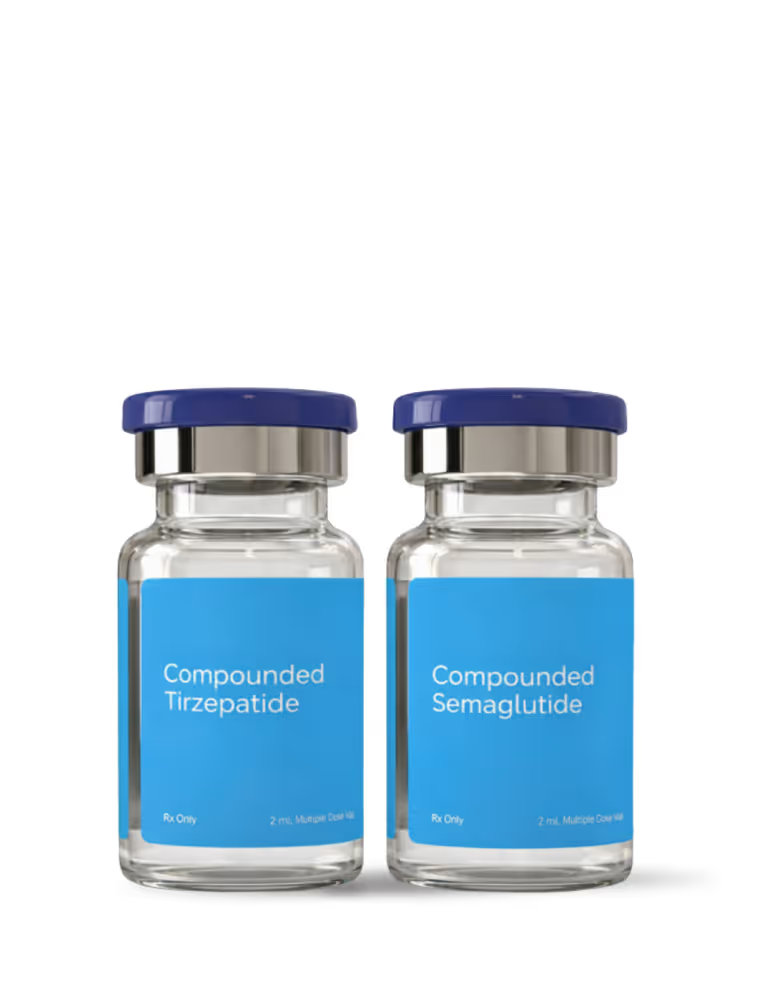
GLP-1 medications like compounded semaglutide and compounded tirzepatide work by reducing hunger and slowing down how fast your stomach empties food. But over time, your body adjusts.
This is called metabolic adaptation. It means your body has gotten used to the lower calorie intake. It's not a failure—it's just biology.
What may help:
- Track your food for a few days. Even small portions add up.
- Check your protein. Low protein can slow results on GLP-1 medications.
- Talk to your licensed healthcare provider about your dose or plan.
More on the role of protein is in Sign 2 below.
Sign 2: You're Eating More Than You Realize
GLP-1 medications reduce your appetite. But appetite suppression can fade over time.
It doesn't mean the medication has stopped working. It often means your body has adapted to a lower hunger level and you may be slowly eating a bit more without noticing.
This is one of the most common reasons a plateau happens.
What to check:
- Are you skipping meals and then overeating later?
- Are liquid calories (juice, coffee drinks, smoothies) adding up?
- Are you getting enough protein at each meal?
Protein matters a lot on GLP-1 medications. Aim for protein at every meal—it can help you feel full longer and help protect muscle. Most adults need around 25–30 grams of protein per meal.
A Registered Dietician can help you figure out the right amount for your body and goals.
Sign 3: Sleep Is Off
Bad sleep can stall weight loss. Full stop.
When you don't sleep enough, your body makes more of a hunger hormone called ghrelin. It also makes less of the hormone that helps you feel full. That means you may feel hungrier, even on a GLP-1 medication.
Poor sleep also raises cortisol—that's the stress hormone. High cortisol can make your body hold onto fat, especially around the belly.
What may help:
- Aim for 7–9 hours of sleep each night.
- Try to go to bed at the same time every night.
- Cut back on screens 30–60 minutes before bed.
- Talk to your licensed healthcare provider if sleep problems are ongoing.
Sign 4: Muscle Loss, Not Fat Loss
The scale going down isn't always ideal, especially if you're losing muscle instead of fat.
This is called body recomposition. It means your body weight stays the same but your body is actually changing. You may be losing fat and gaining muscle at the same time.
On GLP-1 medications, some muscle loss can happen, especially if protein and movement aren't part of the plan. This can slow your metabolism over time.
Signs you may be losing muscle:
- You feel weaker than before.
- You're tired during activity you used to handle easily.
- The scale isn't moving but your clothes fit the same or worse.
What may help:
- Add resistance training 2–3 times per week. Even light weights or bodyweight exercises count.
- Increase protein. Protein can help protect muscle while you lose fat.
- Talk to your care team. A Registered Dietician can build a plan tailored to your needs.
Get personalized support from a real care team. See how it works.
[BIG CTA GRAPHIC/BUTTON HERE]
Sign 5: Stress Is Interfering
Stress is often a hidden weight loss blocker. Chronic stress raises cortisol. High cortisol signals your body to store fat—especially belly fat. It can also make cravings worse, even on a GLP-1.
Stress also affects sleep. And as you just read, poor sleep makes hunger hormones spike. It can become a cycle.
You don't need to fix everything at once. But paying attention to stress is a real part of managing weight.
Small things that may help:
- A 10-minute walk after meals.
- Deep breathing or a short break during a stressful day.
- Consistent sleep and meal times.
- Talking to your Care Coach about what you're going through.
Your Care Coach at Get Thin MD is there for more than just medication instructions. They can support you through the emotional side of this journey too.
When to Talk to Your Licensed Healthcare Provider
A plateau doesn't always need a medical fix. But sometimes it does.
Talk to your licensed healthcare provider if:
- You've been stalled for more than 4–6 weeks.
- You've made changes to sleep, protein, and stress—but nothing has shifted.
- You're experiencing new or worsening side effects.
- You feel like your dose isn't working the same way it used to.
Your licensed healthcare provider can review your plan and determine if a change makes sense for you. Do not change your dose on your own.
For more on side effects and safety, visit our Important Safety Information page.
Why Get Thin MD
Get Thin MD takes a whole-person approach to weight loss.
As a customer, you get:
- A licensed healthcare provider who reviews your health history and your plan.
- A Care Coach you'll have access to for your entire journey, not just at the start.
- A free consultation with a Registered Dietician who can help with protein, nutrition, and what to eat on GLP-1.
- 24/7 access to support by chat or phone.
And the price doesn't automatically go up just because your dose does.
60,000+ people nationwide have trusted Get Thin MD. They chose us because the journey is simple, discreet, and backed by a real care team.
Ready to get unstuck? Talk to a care team that actually listens.
[BIG CTA GRAPHIC/BUTTON HERE]
The Bottom Line
A stall doesn't mean you're done. Weight loss on GLP-1 medications takes time. Plateaus are normal. And often, small adjustments to sleep, protein, stress, and movement can help get things moving again.
You don't have to figure it out alone. Your care team is here.
Results vary. Always talk to your licensed healthcare provider before making changes to your treatment plan.
Important Safety Information
Get Thin connects patients with licensed providers who may prescribe medication through state-licensed pharmacies. Prescription medication only available if prescribed after an online consultation, as applicable, with a healthcare provider. Physicians may prescribe compounded medications as needed to meet medical necessity or drug shortages. The FDA does not review or approve any compounded medications for safety or effectiveness. Results may vary. Please visit https://www.getthinusa.com/important-safety-information for important safety information.