Why Dieting Can Make You Tired (and What to Do)


You're eating less. You're doing everything right. But you feel like you're running on empty.
That kind of tiredness is common when you're dieting. It's not in your head, and it doesn't always mean you're doing something wrong. This article explains why it happens and what might help.
Key Takeaways: Why Are You So Tired?
- Eating less can lower your energy, especially if you're missing key nutrients.
- Low carbs, low iron, and low B12 are some of the most common causes of diet fatigue.
- GLP-1 medications like semaglutide may add to the tiredness, especially at first.
- Small, specific fixes like more protein, better sleep, and staying hydrated can make a difference.
Ready to get support for your weight loss journey? Take the first step today.
[BIG CTA GRAPHIC/BUTTON HERE]
Why Dieting Often Makes You Tired
When you eat less, your body gets fewer calories. Calories are your body's fuel. Less fuel = less energy. It's that simple.
But it's not just about calories. Dieting can also mean getting less of certain vitamins and minerals your body uses to to function properly.
When those levels drop, you can feel it. You may feel sluggish, foggy, or worn out, even if you slept fine.
The Most Common Causes of Diet Fatigue
Here are several key reasons some people feel tired when dieting:
- Not eating enough overall calories
- Low iron levels
- Low vitamin B12
- Not getting enough electrolytes (like sodium, potassium, and magnesium)
- Cutting carbs too fast or too much
- Losing muscle instead of fat
- Poor sleep caused by hunger or stress
Some people experience 1 or 2 of these. Others may experience more.
Nutrient Gaps That Show Up as Exhaustion
Iron
Iron helps carry oxygen through your blood. If you don't get enough iron, your body may struggle to transport oxygen efficiently. That can leave you feeling tired, weak, and sometimes short of breath.
Women are more likely to be low in iron, especially after menopause or while dieting.
Low iron is called iron deficiency. The CDC notes iron deficiency is one of the most common nutritional issues in the US.
Vitamin B12
B12 helps your body make energy at the cell level. It also supports your brain, mood, and nerves.
If you eat less meat, dairy, or eggs, or take certain medications, your B12 levels may drop.
Low B12 can contribute to fatigue, brain fog, and even numbness in your hands or feet.
Electrolytes
Electrolytes are minerals like sodium, potassium, and magnesium. They help your muscles and nerves function properly.
When you diet, especially if you cut carbs, you may lose fluids and electrolytes faster than usual.
Low electrolytes can contribute to tiredness, muscle cramps, and headaches.
How Eating Less Affects Your Energy Levels
Your body is smart. When it notices fewer calories coming in, it may slow down to save energy. This is sometimes called metabolic adaptation. It means your body burns fewer calories to protect itself.
That can make you feel sluggish, even when you're doing everything right.
Cutting carbs too fast can make matters worse. Carbs are your body's quickest source of energy. When carbs drop suddenly, your energy can crash before your body adjusts.
Muscle loss is another concern. When you lose muscle while dieting, your body has less ability to produce energy efficiently.
That's just one reason why eating enough protein matters so much on a calorie-restricted diet. Research published by the NIH shows that higher protein intake helps preserve muscle during weight loss.
How GLP-1s Can Affect Energy on Top of Eating Less
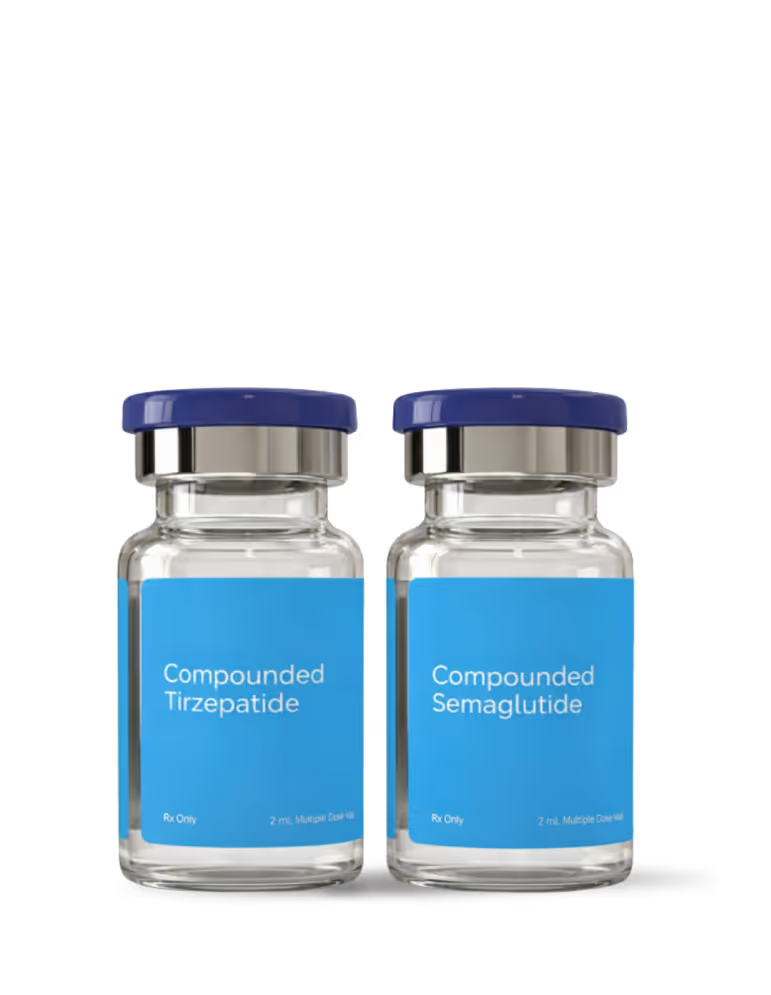
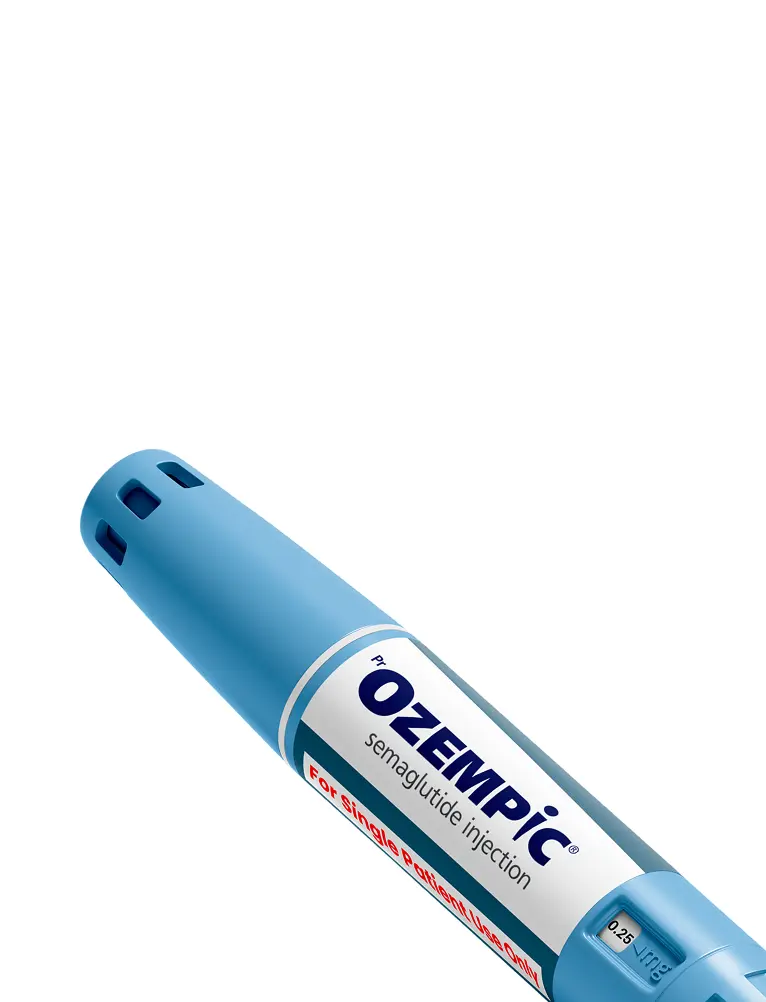
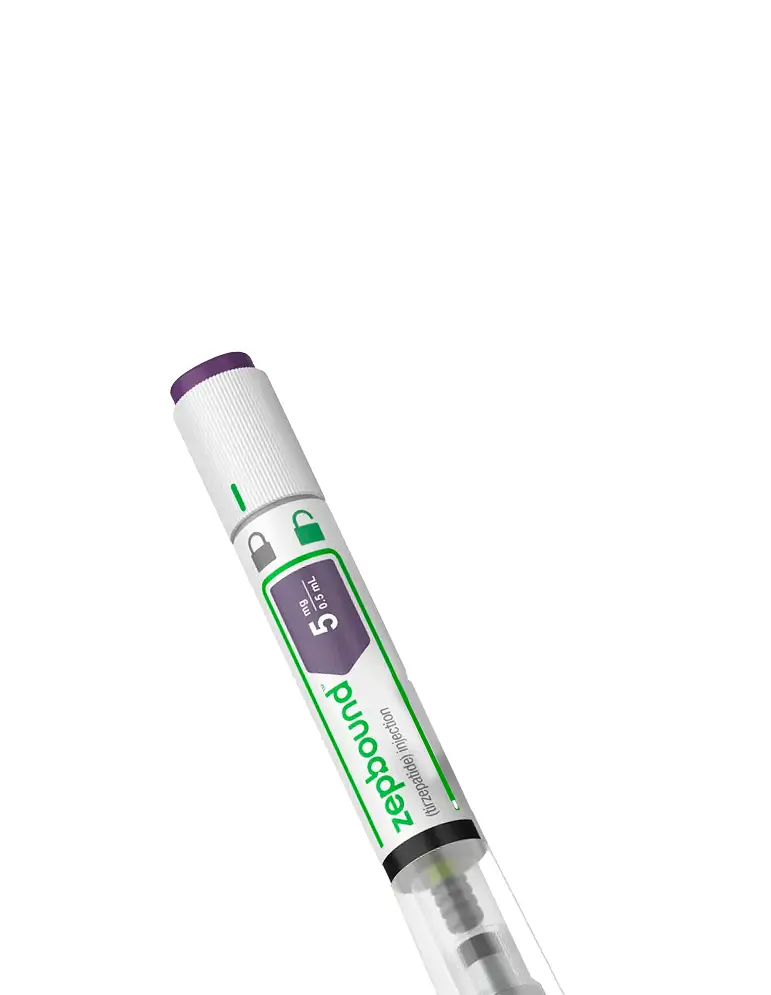
GLP-1 medications like semaglutide and tirzepatide work by reducing your appetite. That's great for weight loss, but it can also mean eating less (and sometimes, eating too little).
If you're not eating enough protein, calories, or nutrients, fatigue can hit.
Some people also feel tired right after starting a GLP-1 or after a dose increase. This tends to get better over time. Semaglutide fatigue is one of the more commonly reported side effects, especially in the early weeks.
If fatigue feels severe or doesn't improve, talk to your licensed healthcare provider.
If you're feeling very tired on your diet or GLP-1 plan, bring it up at your next visit.
- Ask: "Could my iron or B12 levels be low?"
- Ask: "Am I eating enough protein and calories for my body?"
- Ask: "Could my tiredness be related to my medication dose?"
- Ask: "Should I get blood work done?"
Get Thin MD's care team is here to support you. See how the program works.
[BIG CTA GRAPHIC/BUTTON HERE]
The Practical Fixes That Help Diet Fatigue
1. Eat enough protein.
Aim for at least 25–30 grams of protein per meal. Protein can help protect your muscles and your energy levels.
- Easy sources of protein: eggs, Greek yogurt, cottage cheese, chicken, fish, tofu
2. Try not to skip electrolytes.
Drink water throughout the day. Add a pinch of salt to meals if your doctor says it's okay. Eat potassium- and magnesium-rich foods.
- Potassium-rich foods: bananas, sweet potatoes, and avocado.
- Magnesium-rich foods: pumpkin seeds, dark leafy greens, almonds
3. Check your B12 and iron.
Ask your licensed healthcare provider to run a simple blood test. If your levels are low, they may suggest a supplement or dietary changes.
4. Try not to cut carbs too fast.
If you want to reduce carbs, consider cutting them gradually. Also, try to keep some complex carbs in your diet, like oats, brown rice, or sweet potatoes.
5. Protect your sleep.
Poor sleep makes fatigue worse, especially when dieting. Try to go to bed at the same time every night, avoid screens for at least 30 minutes before bed, and keep your room cool and dark.
6. Move a little, but don't overdo it.
Light walks or gentle stretching can actually boost your energy levels. Hard workouts when you're under-fueled can make exhaustion worse.
7. Track what you eat.
Even for a few days. You may find you're eating less than you think. Some people on GLP-1s don't realize how low their calorie intake has become.
When to Talk to Your Licensed Healthcare Provider
Diet fatigue is often manageable, but some signs mean you should reach out sooner. Talk to your licensed healthcare provider if:
- You feel extremely tired no matter what you try.
- You feel dizzy, weak, or short of breath.
- Your heart is racing or beating unusually.
- You're losing hair in large amounts.
- Fatigue started or got worse after a new dose.
These can be signs of nutrient deficiency, low blood pressure, or another issue that needs attention. For full safety details, see Important Safety Information.
Why Get Thin MD
Feeling tired on a diet is hard enough. You shouldn't have to figure it all out alone. At Get Thin MD, every customer gets:
- A licensed healthcare provider reviewing your health history to determine if medication may be appropriate.
- Access to Care Coaches who check in and support you along your entire journey with Get Thin MD.
- Affordable access to Registered Dieticians to help with nutrition and energy education.
- 24/7 support—call or message any time
Your price doesn't go up just because your dose does. Everything is included for one flat rate. No surprise price increases, no membership costs.
See if Get Thin MD is right for you. Start your free consultation today.
[BIG CTA GRAPHIC/BUTTON HERE]
The Bottom Line
Feeling tired while dieting is common, but it's not something you have to just push through. It often comes down to a few fixable things: not enough protein, low nutrients, or not sleeping well.
If you're on a GLP-1 like semaglutide, fatigue is especially worth paying attention to.
Small changes can make a real difference. And if you're unsure what's causing your tiredness, your licensed healthcare provider can help figure it out.
Important Safety Information
Get Thin connects customers with licensed providers who may prescribe medication through state-licensed pharmacies. Prescription medication only available if prescribed after an online consultation, as applicable, with a healthcare provider. Physicians may prescribe compounded medications as needed to meet medical necessity or drug shortages. The FDA does not review or approve any compounded medications for safety or effectiveness. Results may vary. Please visit https://www.getthinusa.com/important-safety-information for important safety information.