What Gets Better When You Lose 10 Pounds


You step on the scale. It's down 10 pounds. You wonder: does that actually matter?
Yes. It really does. Ten pounds can be meaningful to many people’s bodies. Science shows that even modest weight loss can lead to real changes to your joints, your blood sugar, and how you feel every day.
You don't need to lose 50 pounds to feel better. For many people, the body starts responding at a much lower weight-loss mark.
Key Takeaways: Celebrate Smaller Weight Loss Accomplishments
- Even 5–10 pounds of weight loss can lower blood pressure and improve blood sugar levels.
- Joint pain may ease up. Less weight means less pressure on your knees and hips.
- Sleep quality, energy, and mood can all shift with modest weight loss.
- Progress is more than a number on the scale. How you feel matters too.
Ready to take the first step? See how Get Thin MD supports your journey.
[BIG CTA GRAPHIC/BUTTON HERE]
What May Improve First When You Lose 10 Pounds
Every person is different, but here are some of the first things many people notice.
- More energy. When you carry less weight, your heart and lungs don't have to work as hard.
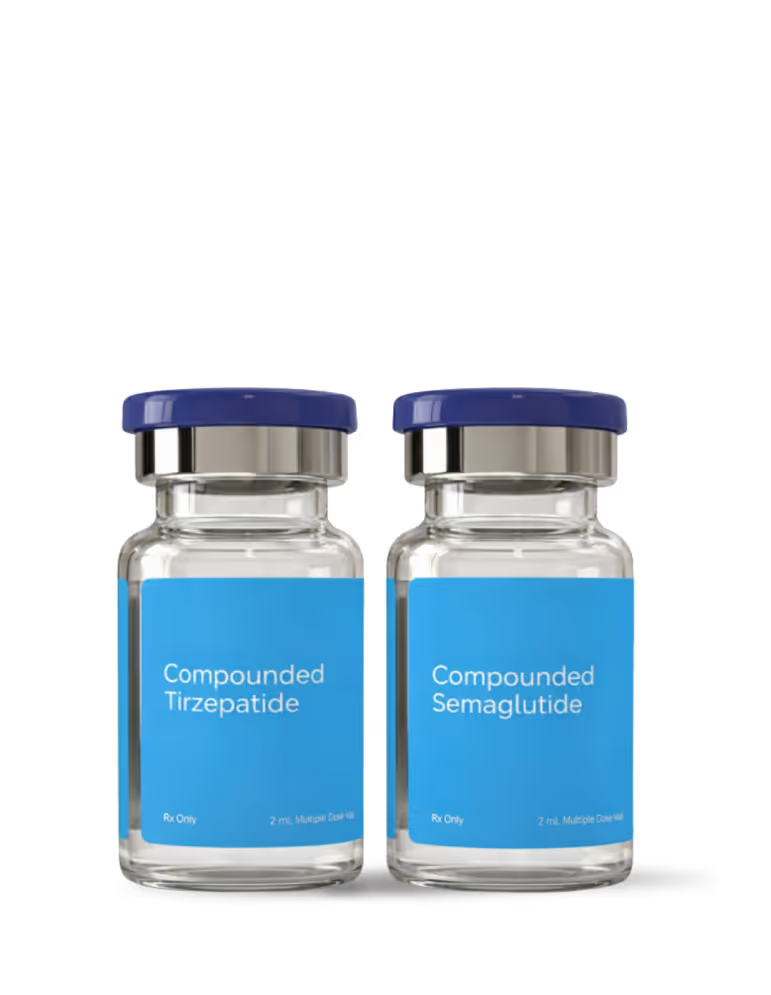
- Less hunger. GLP-1 weight loss medications like compounded semaglutide work partly by reducing appetite. Many people report fewer cravings as they lose weight.
- Better mood. Weight loss can shift hormone levels. Some people notice they feel less anxious or down.
- More movement. Even small losses can make walking, climbing stairs, or playing with kids easier.
Results vary. But many people feel changes sooner than they expected. Research published by the NIH shows that modest weight loss leads to meaningful health improvements.
Weight Loss Impact Joints, Sleep, and Energy
Here's something most people don't know: every pound you carry adds an estimated 4 pounds of pressure to your knees.
That means when you lose 10 pounds, your knees could feel 40 pounds lighter. Even modest weight loss can make your knees feel less loaded, especially if you deal with knee or hip pain.
Sleep can improve too. Excess weight is associated with poor sleep and snoring. Studies from the American Academy of Sleep Medicine show that weight loss can reduce sleep apnea symptoms and help people sleep more deeply.
More and better sleep means more energy during the day.
- Ask: "Why do my knees feel better now that I've lost a little weight?"
- Ask: "Can losing weight actually help me sleep better?"
- Ask: "How much weight do I need to lose to feel less tired?"
The Blood Sugar Connection
This one matters a lot, especially for women over 50.
Losing just 5–10% of your body weight may lower your blood sugar levels. That's a big deal if you have prediabetes or are managing type 2 diabetes.
GLP-1 medications like compounded semaglutide and tirzepatide work on the same pathways that manage blood sugar and insulin response. That’s why they may help your body release insulin more effectively.
Blood pressure can also improve with modest weight loss. A 10-pound loss may reduce systolic blood pressure by several points.
The CDC's weight loss research shows that even small weight losses can prevent or delay type 2 diabetes in people who are at risk.
Get Thin MD connects you with a licensed healthcare provider who can help you build a plan that fits your life.
[BIG CTA GRAPHIC/BUTTON HERE]
How Does 10 Pounds of Weight Loss Help with Menopause?
Menopause weight gain is real. It's not your fault. Hormone shifts—especially the drop in estrogen—change how your body stores fat. For many women, most of it moves to the belly.
Losing even 10 pounds during or after menopause can improve how you feel day to day. Energy, sleep, and joint comfort may all shift.
GLP-1 for menopausal women is a growing area of research. A 2023 study in Menopause journal found that semaglutide helped postmenopausal women reduce belly fat and improve metabolic markers.
Get Thin MD offers GLP‑1 medication programs as part of a broader, individualized weight‑management plan for women during and after menopause.
- Ask: "Why is it so hard to lose weight after menopause?"
- Ask: "Can GLP-1 medications help with menopause weight?"
- Ask: "What causes belly fat during menopause?"
How to Measure Progress Beyond the Scale
The scale is just one tool. It doesn't show everything. Here are other ways to track what's changing:
- Energy levels. Do you feel less tired by mid-afternoon?
- Sleep quality. Are you waking up fewer times at night?
- Joint comfort. Can you walk longer without pain?
- Blood sugar. Ask your licensed healthcare provider to check your A1C or fasting glucose.
- Clothes fit. Even if the scale moves slowly, your body may be reshaping.
- Mood and focus. Many people notice they feel clearer and more even-tempered.
Body recomposition weight loss means more than just losing fat. It means gaining confidence, comfort, and energy.
Track how you feel—not just what you weigh. That's often where the real story lives.
When to Talk to Your Licensed Healthcare Provider
Weight loss affects your whole body. That's a good thing—but it means you need support along the way.
Talk to your licensed healthcare provider if you notice:
- Dizziness, nausea, or vomiting that doesn't go away
- Blood sugar levels that seem too low
- Hair thinning or unusual fatigue
- Any changes to medications you already take
For a full list of what to watch for, see our Important Safety Information.
At Get Thin MD, your Care Coach is always available. So is your licensed healthcare provider. You don't have to figure this out alone.
Take the first step today. A licensed healthcare provider is ready to review your health history and help you get started.
[BIG CTA GRAPHIC/BUTTON HERE]
The Bottom Line
Ten pounds is real progress. It can help ease your joints, lift your energy, improve your sleep, and lower your risk for diabetes and high blood pressure.
You don't have to be perfect. You just have to start.
GLP-1 weight loss medications like compounded semaglutide may help if you're struggling to lose weight on your own. Results vary. But for many people, even small steps lead to real change.
Important Safety Information
Get Thin connects patients with licensed providers who may prescribe medication through state-licensed pharmacies. Prescription medication only available if prescribed after an online consultation, as applicable, with a healthcare provider. Physicians may prescribe compounded medications as needed to meet medical necessity or drug shortages. The FDA does not review or approve any compounded medications for safety or effectiveness. Results may vary. Please visit https://www.getthinusa.com/important-safety-information for important safety information.