What Happens to Your Body When You Lose 20 Pounds
.jpg)

You step on the scale. It says you're down 20 pounds. And then you look in the mirror, and you're not sure what you expected.
Losing 20 pounds is a big deal, but the changes happening inside your body can be even bigger than what you see.
Energy, sleep, mood, hormones, hunger—all of it can shift. Some changes feel amazing. Others can catch you off guard. This article walks through what's really going on. No hype. Just honest, clear information so you know what to expect.
Key Takeaways: What It Feels Like to Lose 20 Pounds
- Losing 20 pounds can trigger real changes, not just in how you look, but in how you feel.
- Your energy, sleep, mood, and hormones may all shift as your body adjusts.
- Some changes show up fast. Others take time, and that's normal.
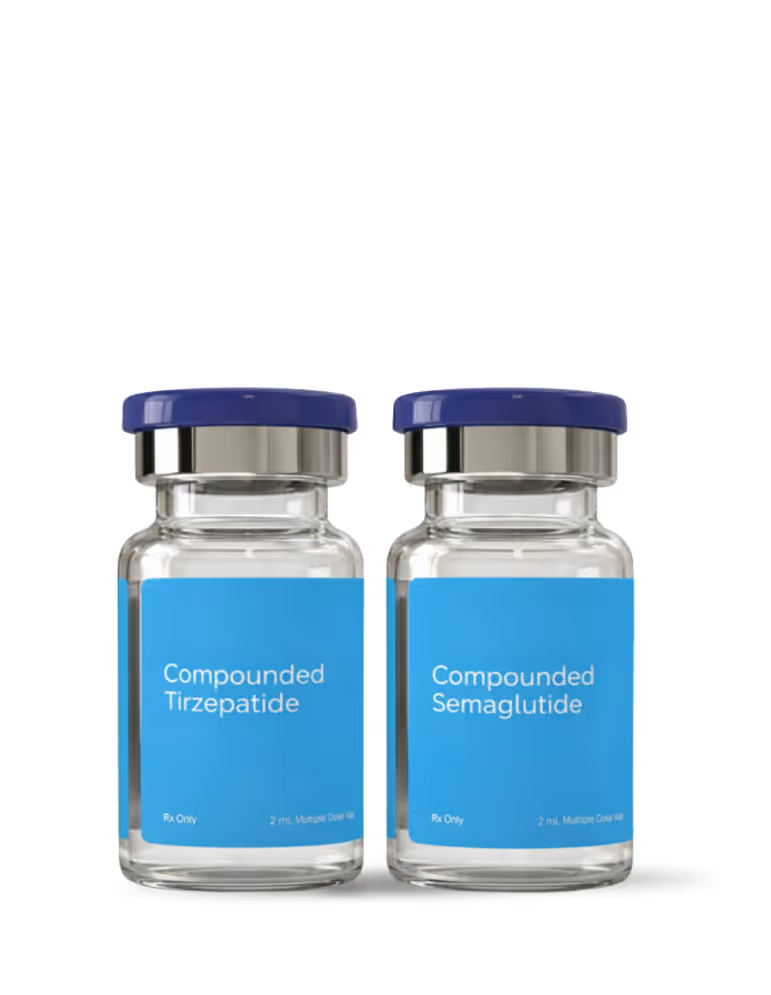
- GLP-1 medications like compounded semaglutide may support these changes.
Ready to see what's possible? Start here.
[BIG CTA GRAPHIC/BUTTON HERE]
What Your Body Is Actually Doing When You Lose Weight
Weight loss isn't just about fat.
When you lose 20 pounds, your body is adjusting how it stores energy, regulates hormones, and manages inflammation. Research shows that even modest weight loss can reduce markers of inflammation in the body.
Here's what's shifting under the surface:
- Your fat cells shrink (but they don't disappear).
- Your liver works a little less hard.
- Your blood sugar may become easier to manage.
- Your joints feel less pressure with every step.
These can be meaningful changes that can affect how you feel every day.
The Changes People Often Notice First
Many people notice a few things before they see a big difference in the mirror. Here are the early signs your body is changing:
- Clothes fit differently. Even before others notice, you may feel it.
- Your face may look different. Some people lose weight in their face first.
- You feel less bloated. Especially if you were carrying a lot of water weight.
- Movement feels easier. Less weight on your joints can make a noticeable difference.
- You may sleep better. Even a small amount of weight loss can help improve sleep quality.
Studies from the CDC confirm that losing even 5–10% of body weight has measurable health benefits.
Why You Might Not Look Different Right Away
This one surprises a lot of people. You can lose 20 pounds and feel like nothing has changed in the mirror. That's real, and it's not uncommon.
A few reasons this happens:
- Weight loss isn't always visible evenly across your body.
- Skin often changes more slowly than fat does.
- If you've also built muscle, the scale may not tell the whole story.
- Your eyes are used to how you look—change is hard to see on yourself.
This is why the scale alone isn't the best measure of progress. Track how you feel, not just what you see. More on that below.
Curious if a GLP-1 program is right for you? See how Get Thin MD works.
[BIG CTA GRAPHIC/BUTTON HERE]
How Your Energy and Mood May Shift
Energy is one of the first things people mention when they're losing weight. Many people report feeling more alert during the day. Some notice their mood lifts.
There's a reason for that. Research published by the NIH shows that weight loss is associated with improved mood and reduced symptoms of depression in some people.
But here's the honest part:
- Not everyone feels a boost right away.
- Some people feel tired as their body adjusts, especially in the early weeks.
- If you're on a GLP-1 medication, nausea or fatigue can affect energy early on.
If your energy dips in the first few weeks, that's often temporary. Give your body time to adjust. Stay hydrated. Eat enough protein. Results vary.
“I've been using Get Thin for a while now, and I have to say, it's been a surprisingly solid addition to my weight loss journey. While it’s not a magic pill, it has definitely helped me stay on track. I’ve noticed a steady improvement in my energy levels and appetite control, which has made it easier to stick to healthier choices. The results haven’t been overnight, but with consistent use, I’ve seen a difference. Plus, it’s easy to incorporate into my routine without any major side effects. Like any product, it may work differently for everyone, but if you're looking for something to complement your weight loss efforts, this could be worth a try!” - Karen S., Get Thin MD Customer
What Happens to Hormones and Hunger
This is where things get interesting, especially for women 45 and older. Hormones and body weight are deeply connected. When your weight changes, your hormones can shift too.
Here's what may happen:
- Leptin may drop. Leptin is the hormone that tells your brain you're full. Lower body fat can lower leptin, which is one reason hunger can feel stronger after weight loss.
- Insulin sensitivity may improve. Your body may respond better to blood sugar, especially if you were carrying excess weight around the middle.
- Estrogen levels may shift. Weight loss can affect hormone levels, including estrogen, especially during menopause or perimenopause.
GLP-1 medications like compounded semaglutide work in part by affecting hunger hormones. That's why many people find it easier to eat less—not because they're forcing themselves, but because their hunger signals change.
For women going through menopause, these shifts can feel even more noticeable.
Talk to your licensed healthcare provider if you have questions about how weight loss may affect your hormones.
What to Track Beyond the Scale
The scale is just one number. Here are better ways to track real progress:
- Energy levels. Do you have more energy in the afternoon? That's progress.
- Sleep quality. Are you sleeping longer or waking up less?
- How clothes fit. This is often more telling than the scale.
- How you feel on stairs, walks, or standing. Movement getting easier is a big deal.
- Mood and mental clarity. Are you feeling a little clearer or calmer?
- Hunger patterns. Are you going longer between meals without feeling desperate?
Keep a simple log. You don't need an app. A notebook works. When you look back after 60 or 90 days, the changes are often clearer than you might expect.
When to Talk to Your Licensed Healthcare Provider
Most of these body changes are normal, but there are times to reach out. Contact your licensed healthcare provider if you notice:
- Unusual fatigue that doesn't improve after 2–3 weeks
- Hair shedding that feels significant (more than usual)
- Mood changes that feel serious or persistent
- Nausea, stomach pain, or vomiting that isn't improving
- Changes in your menstrual cycle that concern you
For a full list of side effects and safety details, see Get Thin MD's Important Safety Information. Your care team is there for you. Don't wait if something feels off.
Why Get Thin MD
Get Thin MD is a US-based telehealth program. We help customers access GLP-1 medications with real clinical support. Here's what's included at no extra cost:
- A licensed healthcare provider reviews your health history.
- Care Coaches support you through your journey.
- Access to Registered Dietitians for nutritional guidance.
- 24/7 support by chat or phone.
60,000+ customers nationwide have trusted Get Thin MD on their weight loss journey. Many of them were right where you are now—unsure what to expect, hoping this time would be different.
See if you qualify. It takes just a few minutes.
[BIG CTA GRAPHIC/BUTTON HERE]
The Bottom Line
Losing 20 pounds is more than a number. Your energy may improve over time. Your sleep can get better. Your hormones might shift. Your hunger may change.
The changes happening inside your body are real, even when the mirror is slow to show them. Be patient, track how you feel, and reach out when you need support.
Important Safety Information
Get Thin connects customers with licensed providers who may prescribe medication through state-licensed pharmacies. Prescription medication only available if prescribed after an online consultation, as applicable, with a healthcare provider. Physicians may prescribe compounded medications as needed to meet medical necessity or drug shortages. The FDA does not review or approve any compounded medications for safety or effectiveness. Results may vary. Please visit https://www.getthinusa.com/legal/important-safety-information for important safety information.